Brought to you by:

-
Burnout, Entrustable Professional Activities, SAVS 2025, Southern Association for Vascular Surgery, trainees
Vascular surgery trainee autonomy driven by well-being, study finds
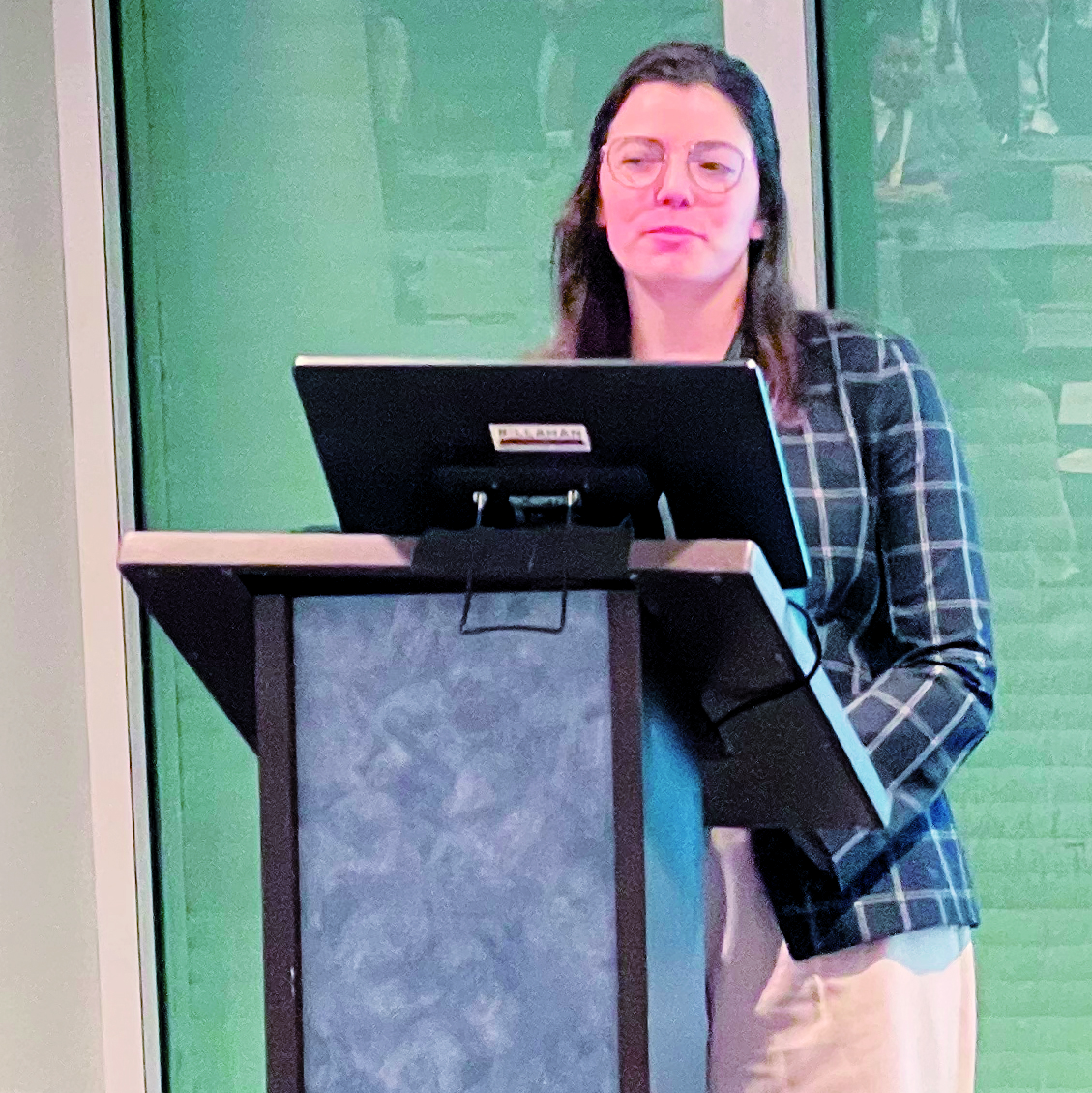
A new cross-sectional analysis as part of the SECOND trial found that most vascular surgery trainees are satisfied with their operative and clinical autonomy but that those who are not had increased odds of professional dissatisfaction, personal life dissatisfaction, burnout, thoughts of attrition and suicidal ideation. The findings were presented during the 2025 Southern Association…
-
American Venous Forum, AVF 2025, CLTI, Corner Stitch, Eastern Vascular Society, EVS 2024, limb salvage, VAM 2022, Vascular Annual Meeting
Corner Stitch: Becoming a community-engaged vascular surgeon

At the end of my intern year, I was tired. It had been a long year of rounding, placing orders, seeing consults and refining basic suturing skills on primarily general surgery rotations—an experience not dissimilar from many of my fellow integrated trainees. I was looking forward to attending the 2022 Vascular Annual Meeting (VAM), not…
-
VAM 2025 registration launches

Registration for the 2025 Vascular Annual Meeting (VAM 2025) is now open. This year’s meeting will take place in New Orleans, Louisiana, June 4–7. VAM 2025 will consist of three full days of education covering the latest updates in the vascular surgery field and two full days of a packed exhibit hall featuring the newest…
-
‘Battlefield first aid’: A peer-to-peer prescription for dealing with adverse surgical outcomes
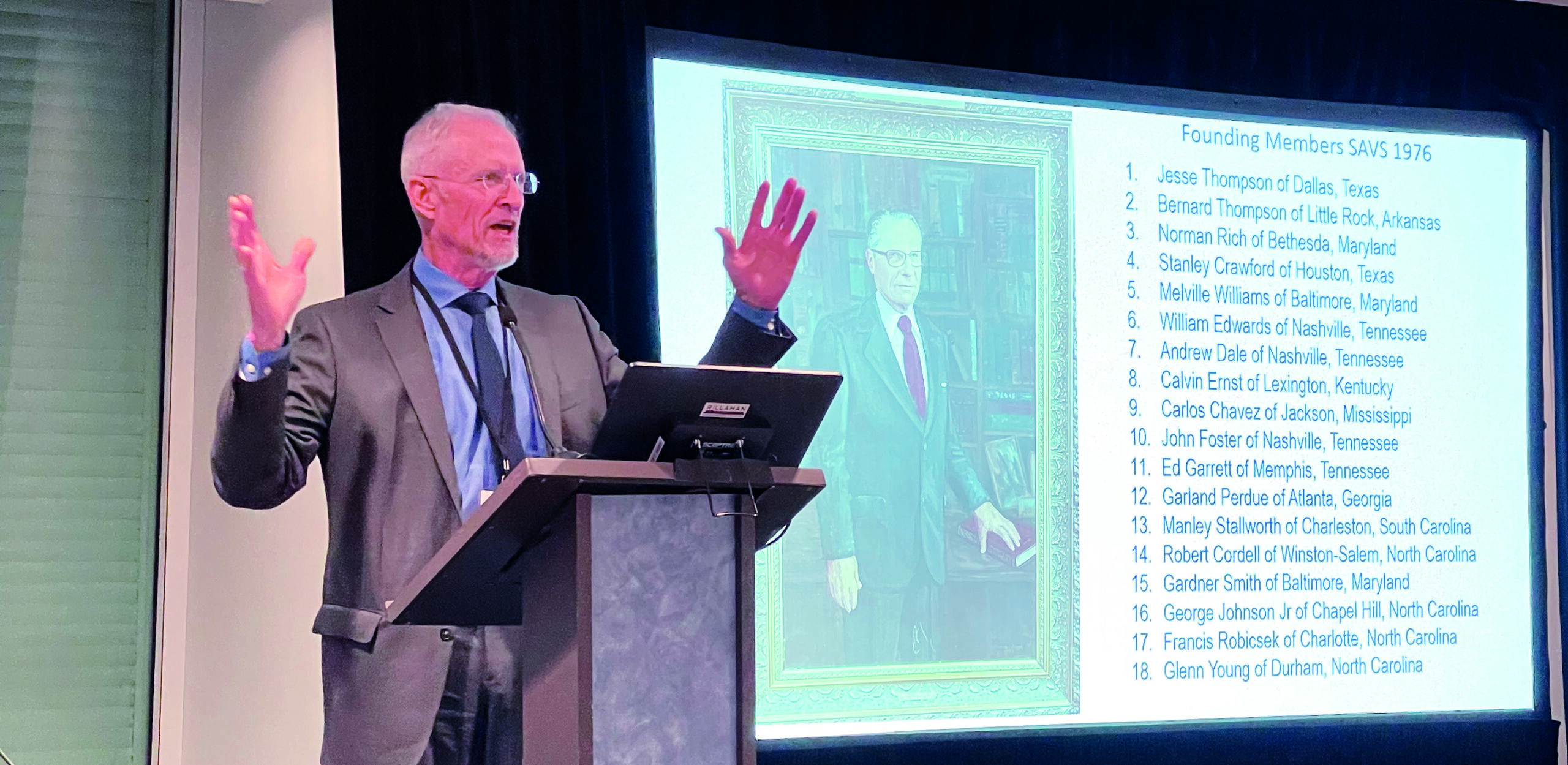
“Battlefield first aid” after a colleague has a bad case as the cornerstone of peer-to-peer support in vascular surgery was the feature of the recent Jesse E. Thompson, MD, Distinguished Guest Lecture at the 2025 Southern Association for Vascular Surgery (SAVS) annual meeting in St. Thomas, the U.S. Virgin Islands (Jan. 22–25). John Eidt, MD,…
-
AVF: From good to great

Ruth Bush, MD, used her 2025 American Venous Forum (AVF) presidential address to highlight the organization’s elevation and path to “level 5 leadership.” Level 5 leadership is seen across the organization’s activities, the University of Texas Medical Branch, Galveston, professor of surgery and associate dean, told AVF 2025, held in Atlanta, Georgia (Feb. 16–19). The…
-
Presidential address, robotic surgery, Robotics, SAVS 2025, Southern Association for Vascular Surgery
Open surgery, endovascular intervention and robotics: The coming ‘third revolution’ in vascular surgery
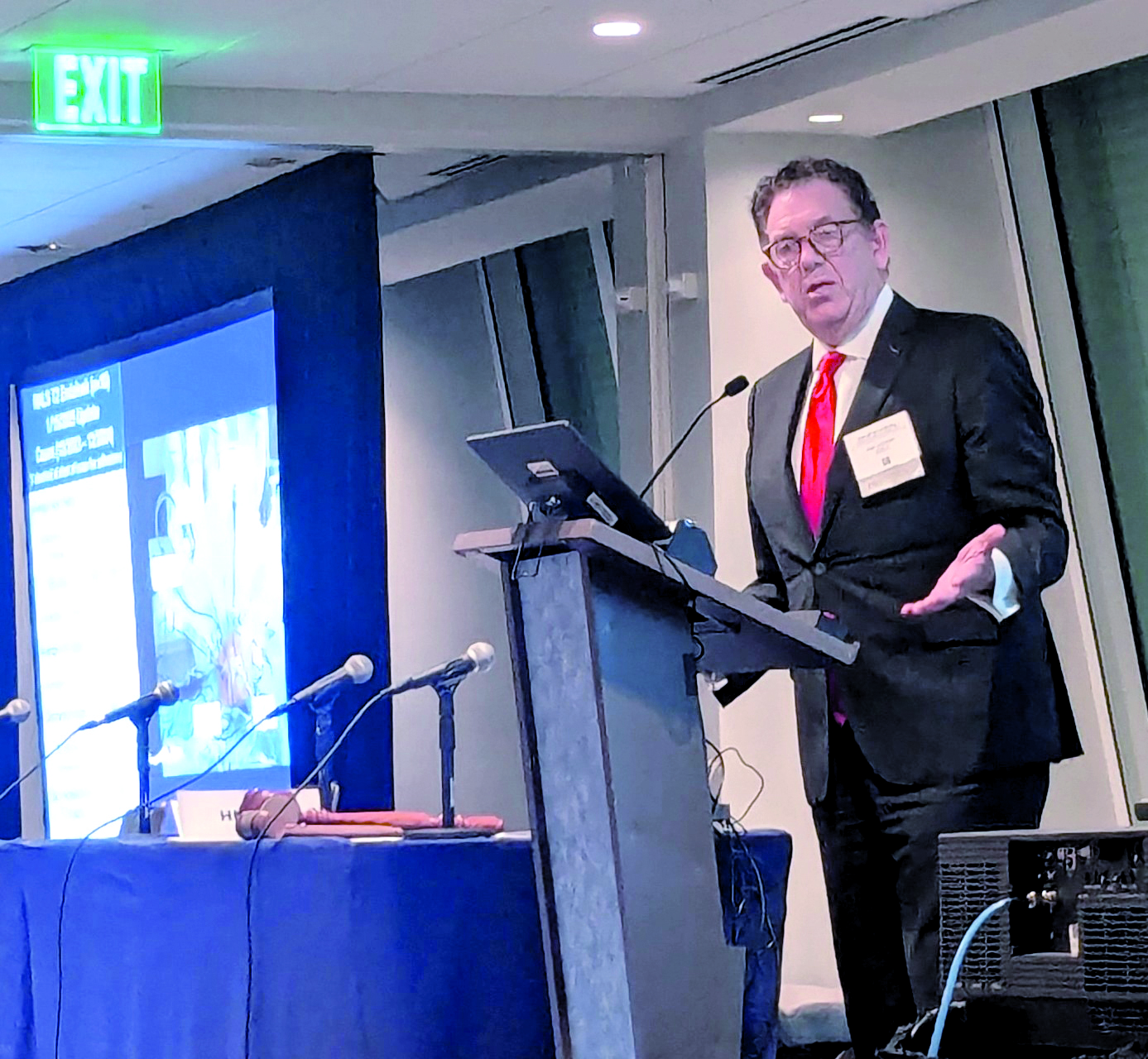
The 2025 Southern Association for Vascular Surgery (SAVS) presidential address featured the hashtag phrase #OnlyUs, an allusion to the specialty’s “unique” differentiator. SAVS 2024–25 President Alan Lumsden, MD, returned to a familiar recent theme for his address to the 49th annual meeting of SAVS in St. Thomas, the U.S. Virgin Islands (Jan. 22–25): the topic…
-
The future of vascular surgery (and the role a hybrid OR plays in it)
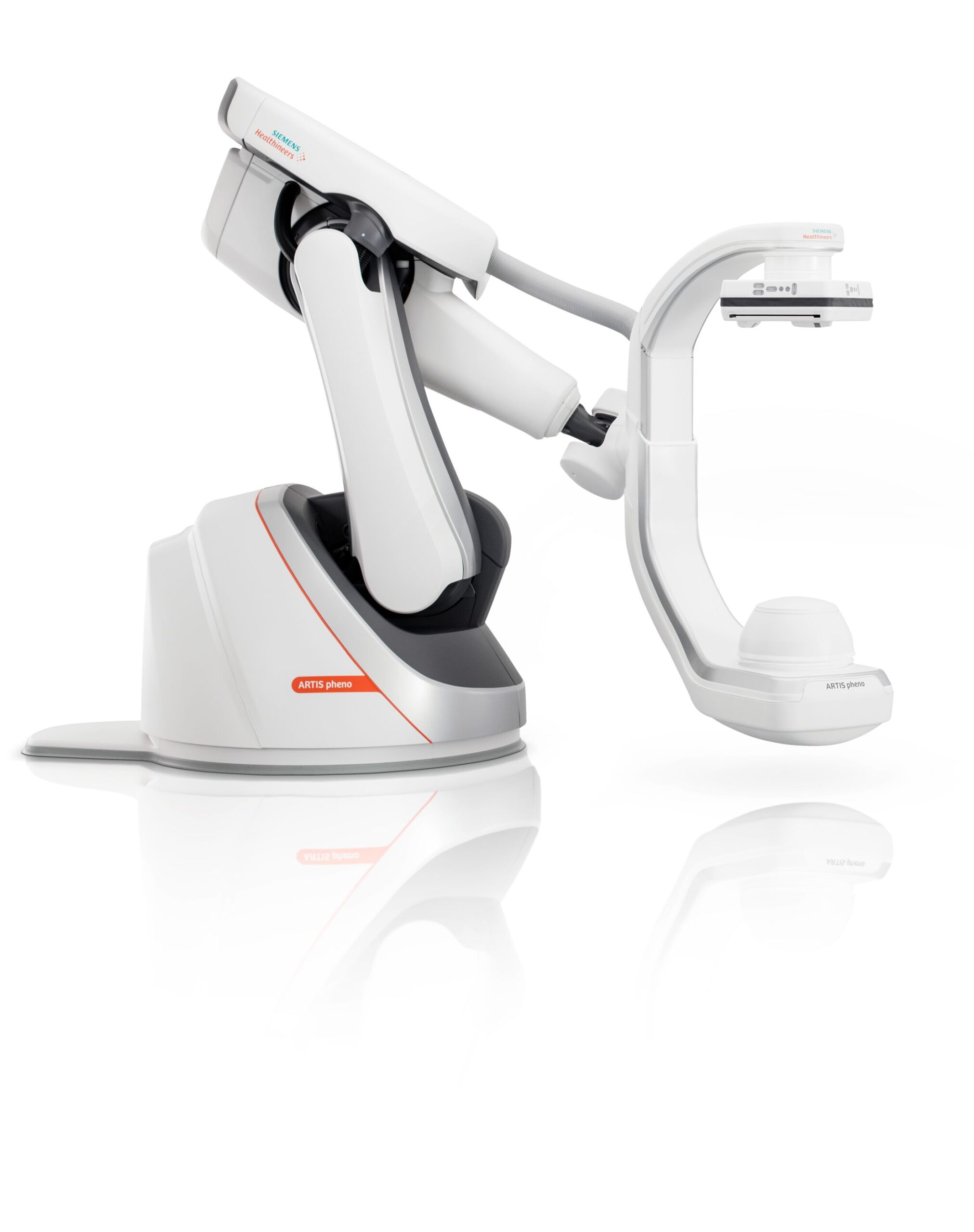
This advertorial is sponsored by Siemens. Two leaders in vascular surgery preview the future of interventional imaging and consider the emergence of the hybrid operating room (OR) as a future model for success. The hybrid OR is emerging as a cornerstone development in the future of interventional imaging. With seamless integration of advanced imaging technologies…
-
Ketamine reduces postoperative opiate use and pain scores as part of spinal cord protection protocol for TAAA repair
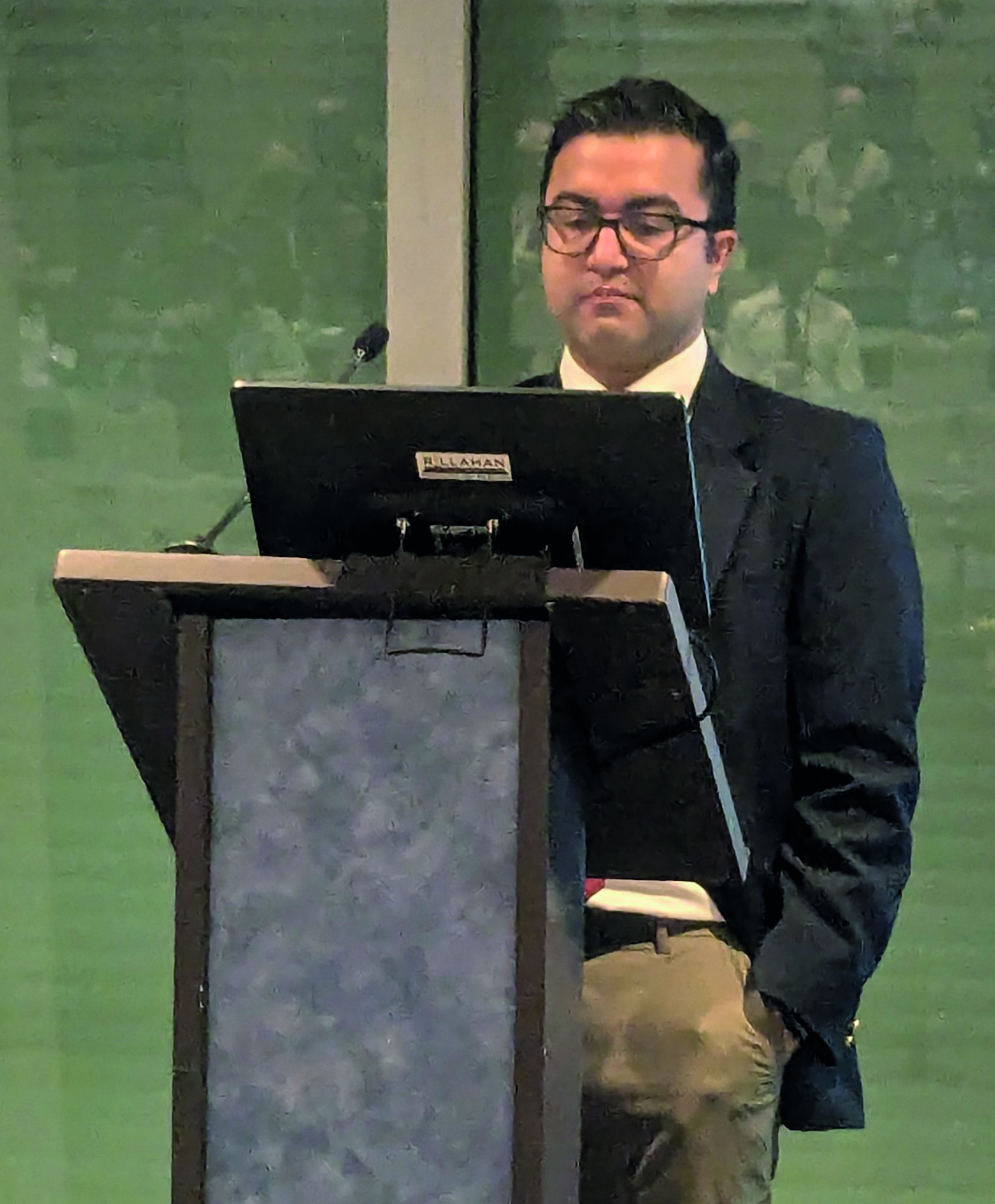
The introduction of ketamine into a spinal cord ischemia (SCI) protection protocol used during thoracoabdominal aortic aneurysm (TAAA) repairs led to significant reductions in postoperative opiate administration and patient-reported pain scores, a randomized controlled trial (RCT) performed by a team of researchers at the University of Kentucky in Lexington, Kentucky, demonstrated. The 20-patient doubled-blind RCT…
-
carotid endarterectomy, CEA, coronary artery disease, FFRCT, SAVS 2025, silent coronary ischemia, Southern Association for Vascular Surgery
FFRCT diagnosis of coronary ischemia with ischemia-targeted coronary revascularization more than halves five-year risk of cardiac death and MI following CEA
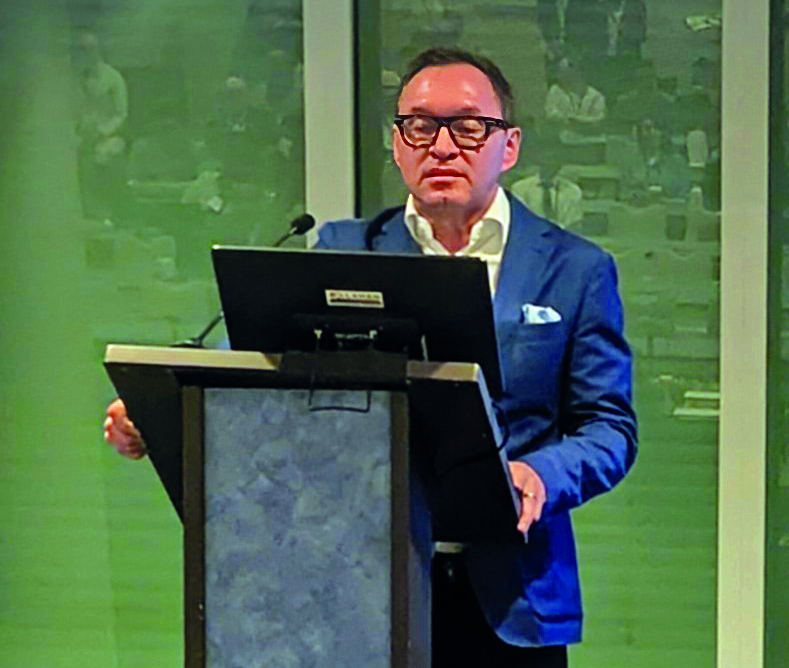
Preoperative diagnosis of lesion-specific ischemia using coronary computed tomography (CT)-derived fractional flow reserve (FFRCT) and ischemia-targeted coronary revascularization after carotid endarterectomy (CEA) can reduce the five-year risk of cardiac death and myocardial infarction (MI) by more than 50% and improve long-term-survival, new data show. The findings, from a single-center observational study, represent the latest results…
-
mechanical thrombectomy, Pulmonary embolism, SAVS 2025, Southern Association for Vascular Surgery, Venous disease
New analysis details learning curve effect behind ‘significant improvement’ in performance of PE mechanical thrombectomy over time
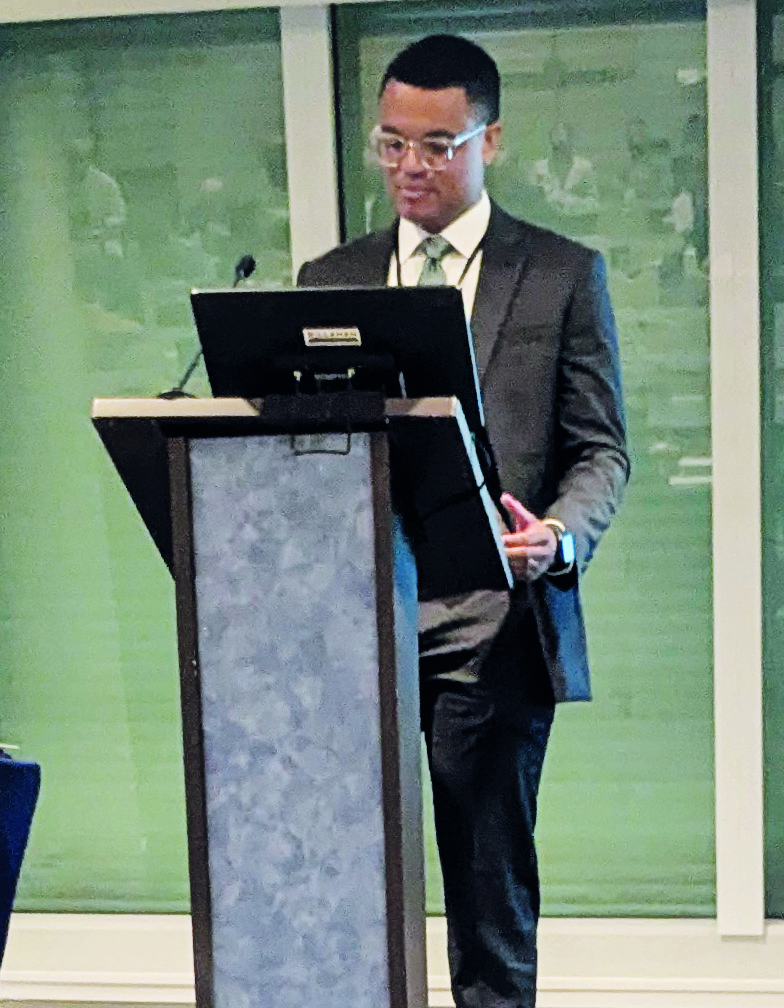
A multisite hospital system analysis of the safety and procedural learning curve behind the performance of percutaneous mechanical thrombectomy for pulmonary embolism (PE) shows significant reductions in both fluoroscopy and procedure times alongside contrast volume over time. The data, the senior author behind the study says, lend weight to the argument that vascular surgeons need…