Brought to you by:

Study details radiation exposure learning curve among vascular trainees
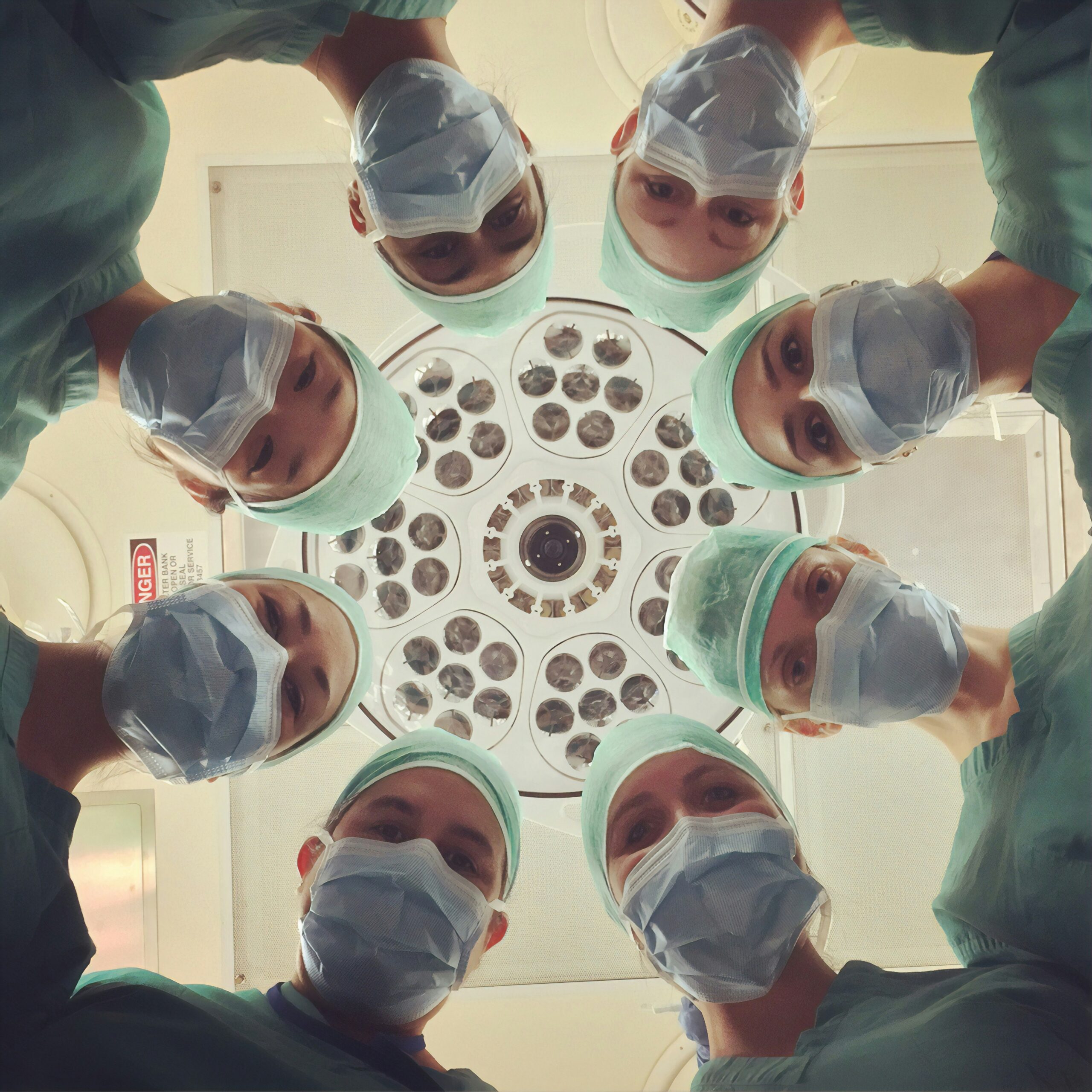
The importance of radiation safety training for vascular surgery trainees was highlighted by a recent study that detailed a learning curve effect between first- and second-year fellows performing fluoroscopically guided interventions. Using optically stimulated dosimeters fitted outside and under lead…
Vascular surgery trainee autonomy driven by well-being, study finds
A new cross-sectional analysis as part of the SECOND trial found that most vascular surgery trainees are satisfied with their operative and clinical autonomy but that those who are not had increased odds of professional dissatisfaction, personal life dissatisfaction, burnout,…
‘Battlefield first aid’: A peer-to-peer prescription for dealing with adverse surgical outcomes
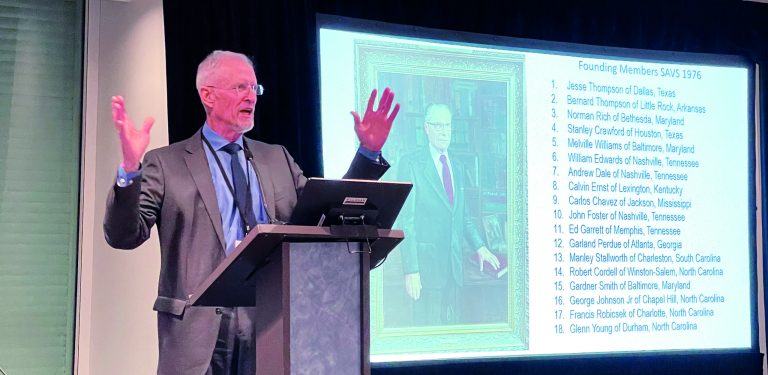
“Battlefield first aid” after a colleague has a bad case as the cornerstone of peer-to-peer support in vascular surgery was the feature of the recent Jesse E. Thompson, MD, Distinguished Guest Lecture at the 2025 Southern Association for Vascular Surgery…
Open surgery, endovascular intervention and robotics: The coming ‘third revolution’ in vascular surgery
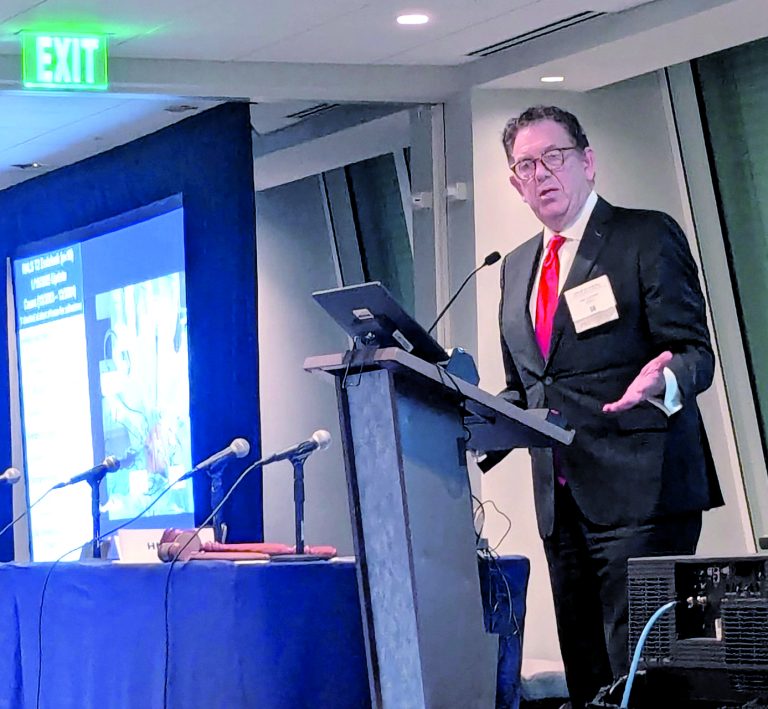
The 2025 Southern Association for Vascular Surgery (SAVS) presidential address featured the hashtag phrase #OnlyUs, an allusion to the specialty’s “unique” differentiator. SAVS 2024–25 President Alan Lumsden, MD, returned to a familiar recent theme for his address to the 49th…
Ketamine reduces postoperative opiate use and pain scores as part of spinal cord protection protocol for TAAA repair
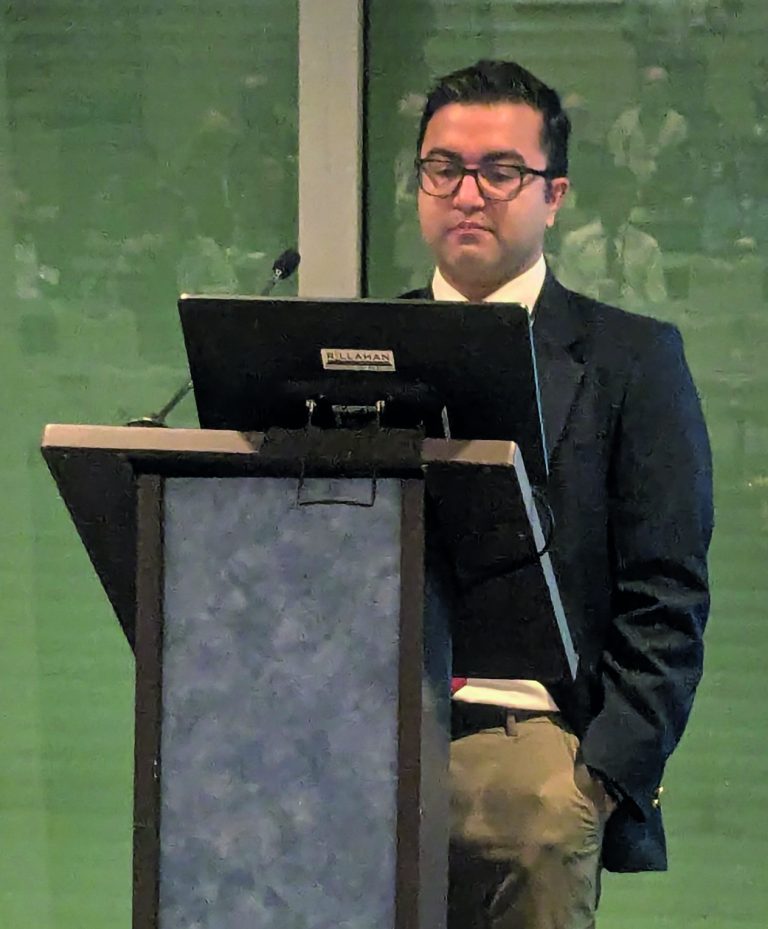
The introduction of ketamine into a spinal cord ischemia (SCI) protection protocol used during thoracoabdominal aortic aneurysm (TAAA) repairs led to significant reductions in postoperative opiate administration and patient-reported pain scores, a randomized controlled trial (RCT) performed by a team…
FFRCT diagnosis of coronary ischemia with ischemia-targeted coronary revascularization more than halves five-year risk of cardiac death and MI following CEA

Preoperative diagnosis of lesion-specific ischemia using coronary computed tomography (CT)-derived fractional flow reserve (FFRCT) and ischemia-targeted coronary revascularization after carotid endarterectomy (CEA) can reduce the five-year risk of cardiac death and myocardial infarction (MI) by more than 50% and improve…
New analysis details learning curve effect behind ‘significant improvement’ in performance of PE mechanical thrombectomy over time
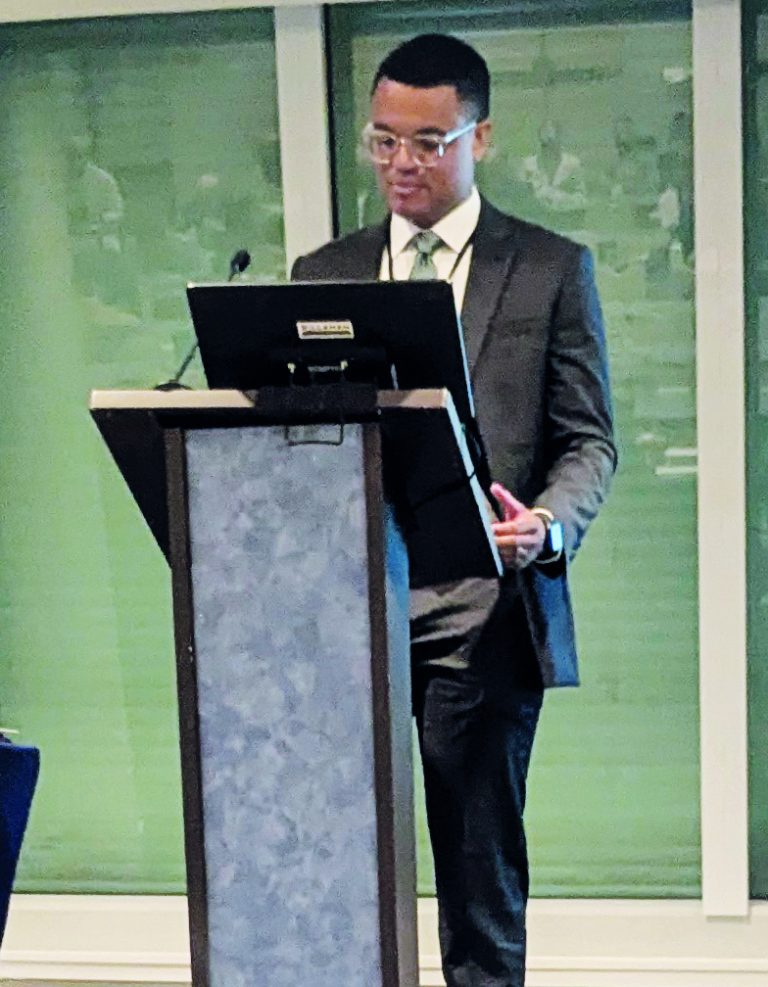
A multisite hospital system analysis of the safety and procedural learning curve behind the performance of percutaneous mechanical thrombectomy for pulmonary embolism (PE) shows significant reductions in both fluoroscopy and procedure times alongside contrast volume over time. The data, the…
Study demonstrates textbook outcomes occur less than a quarter of the time after CLTI revascularization

Textbook outcomes remain “very rare” after revascularization for chronic limb-threatening ischemia (CLTI), with the main driver being an enduring inability to attain complete wound healing and to return patients to their preoperative ambulatory status, according to the lead researcher behind…
BEST-CLI trial spline model analysis breaks new ground in assessing the impact of CKD severity on CLTI outcomes

A new analysis of the BEST-CLI trial has produced the first evidence-based glomerular filtration rate (eGFR) value—30 mL m2—as the cutoff below which patients with chronic limb-threatening ischemia (CLTI) experience significantly worse outcomes after revascularization regardless of the treatment modality…
US ARC uncovers ‘dramatic’ decrease in use of prophylactic spinal drains at same time as spinal cord ischemia steeply declines
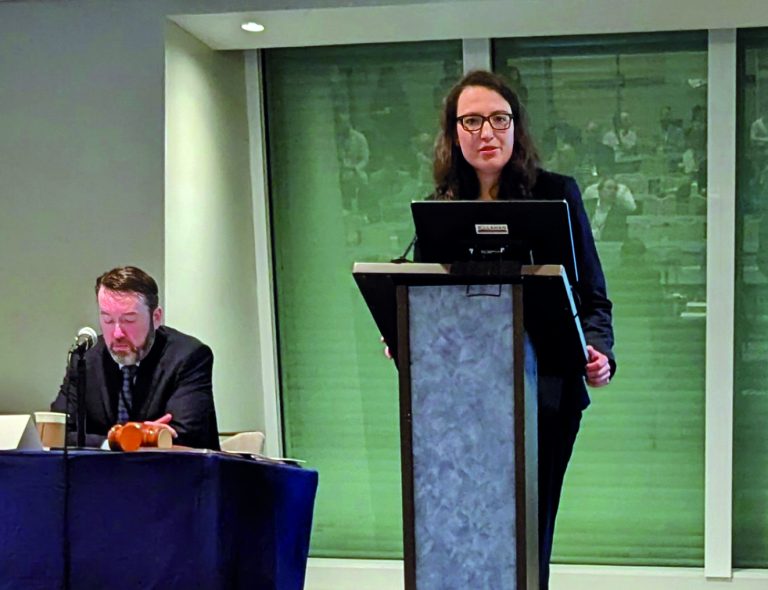
Despite a “dramatic” decrease in the use of prophylactic cerebrospinal fluid drains (CSFDs) for the prevention of spinal cord ischemia (SCI) in patients undergoing fenestrated and branched endovascular aortic repair (F/BEVAR), the rate of SCI has tracked a similarly dramatic…