Brought to you by:

How important is complex endovascular aortic training in the current landscape?

Just a few years ago, it was commonly accepted that training in complex endovascular aortic operations (e.g. physician-modified endografts [PMEGs], use of in-situ laser fenestration, redo-branched aortic interventions etc.) depended heavily on the location and practice of the institution where…
A global concern: WFVS seeks to level up vascular education in every corner of the world
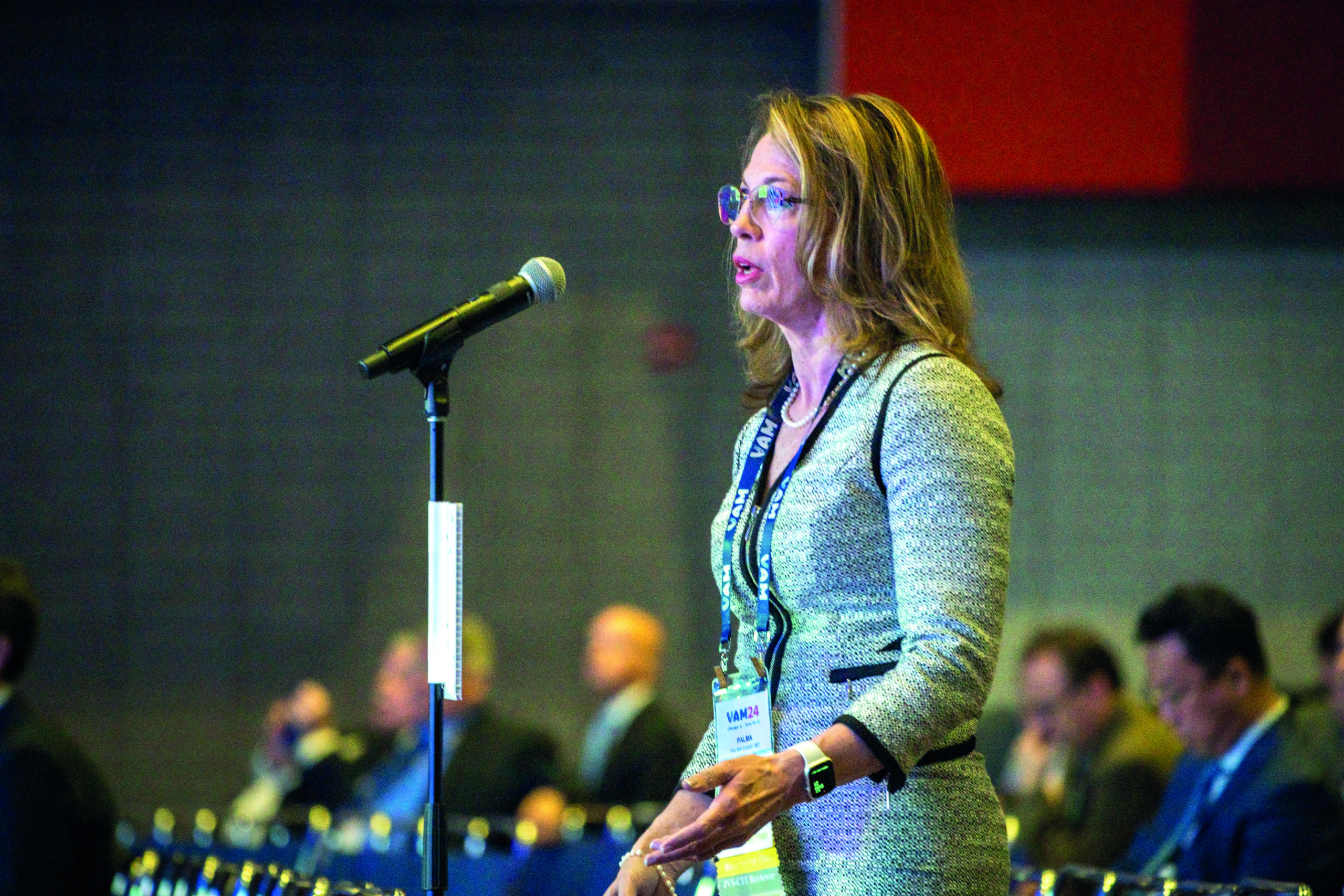
WFVS secretary general details how the organization has evolved in recent years, seeing gains in representation and access to education among members from underserved regions. In the stew of national and regional vascular societies that dot the globe, the World…
The intersection of palliative care and vascular surgery

As vascular surgeons, we strive to practice comprehensive vascular surgery care. This entails the medical and surgical management of patients with a wide range of vascular diagnoses. Patients with advanced vascular disease experience significantly reduced quality of life and high…
Corner Stitch: How to say ‘I messed up’

An anonymous vascular resident offers some advice for dealing with a troubling case in the latest edition of our Corner Stitch column by and for vascular surgery trainees. Little, if anything, in life prepares you for when you eventually cause…
A self-fulfilling prophecy based on a fourth-year medical student’s misinformed decision

“How many programs conducted in-person interviews this year?” “Which programs conducted in-person interviews?” “Oh wow, I didn’t realize that many programs were conducting in-person interviews.” All of these are questions gleaned from last year’s Match process. To be sure, the…
Training smarter, not harder: Analysis finds no negative impact of reduced core surgical requirements

Since the 2018 Accreditation Council for Graduate Medical Education (ACGME) reduction of core surgical requirements from 24 to 18 months during integrated vascular surgery residency, vascular residents’ operative experience has been unaffected, suggesting improved training optimization and efficiency. This was…
Audible Bleeding luminaries podcast looks back at its origins in vascular education

In 2018, a group of dedicated vascular surgery trainees recognized a notable gap in educational resources within their specialty. This realization sparked the creation of the Audible Bleeding podcast, a platform designed to enhance vascular surgery education through engaging discussions…
Study details radiation exposure learning curve among vascular trainees
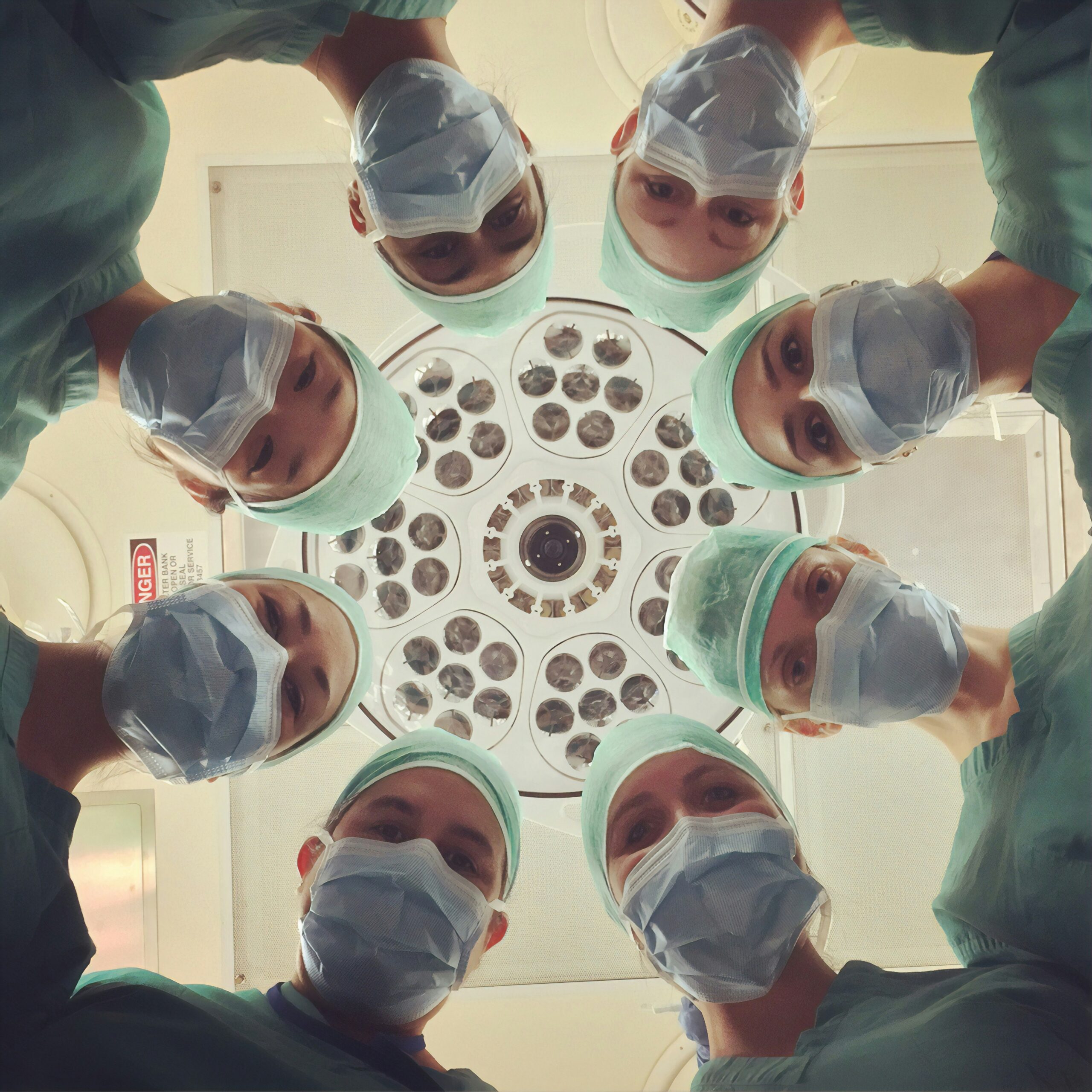
The importance of radiation safety training for vascular surgery trainees was highlighted by a recent study that detailed a learning curve effect between first- and second-year fellows performing fluoroscopically guided interventions. Using optically stimulated dosimeters fitted outside and under lead…
Vascular surgery trainee autonomy driven by well-being, study finds
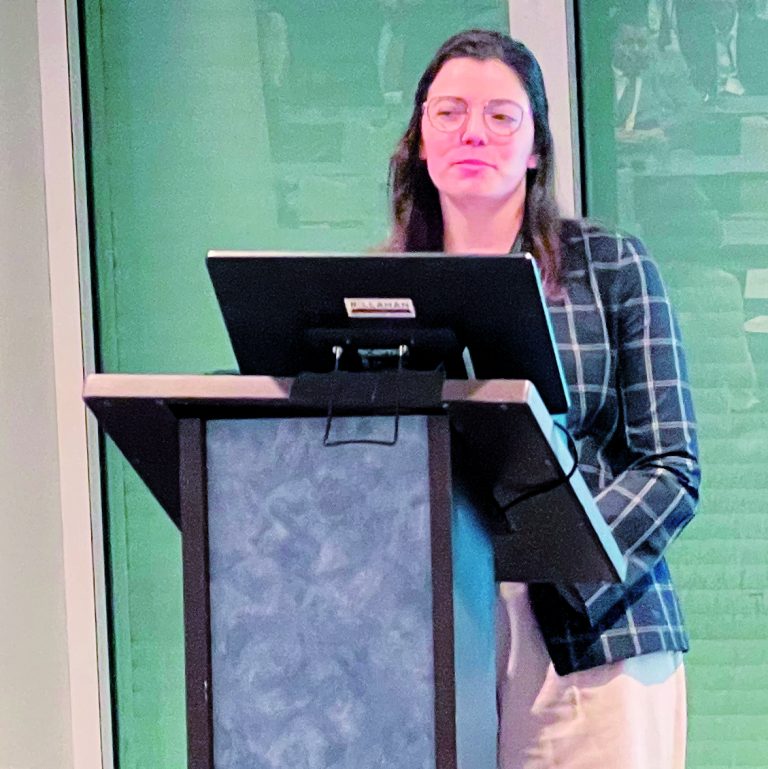
A new cross-sectional analysis as part of the SECOND trial found that most vascular surgery trainees are satisfied with their operative and clinical autonomy but that those who are not had increased odds of professional dissatisfaction, personal life dissatisfaction, burnout,…
Reflections from VESS: Internal mentoring, external inspiration and really good skiing

Just over a week ago, I was racing my medical school vascular surgery attending, Dr. Adam Doyle, down a Breckenridge run memorably named “The Devil’s Crotch.” We were celebrating fresh powder, the conclusion of an excellent fellows program, and the…