Brought to you by:

Not all carotid procedures are equal after patients suffer a postoperative stroke

Comparative analysis looks at stroke-related disability and mortality after three modes of carotid revascularization. Strokes after transfemoral carotid artery stenting (TFCAS) were “the most disabling and lethal” when compared with transcarotid artery revascularization (TCAR) and carotid endarterectomy (CEA) in a…
Survey suggests greater exposure to mini-incision carotid endarterectomy during training may dispel perceived limitations to approach
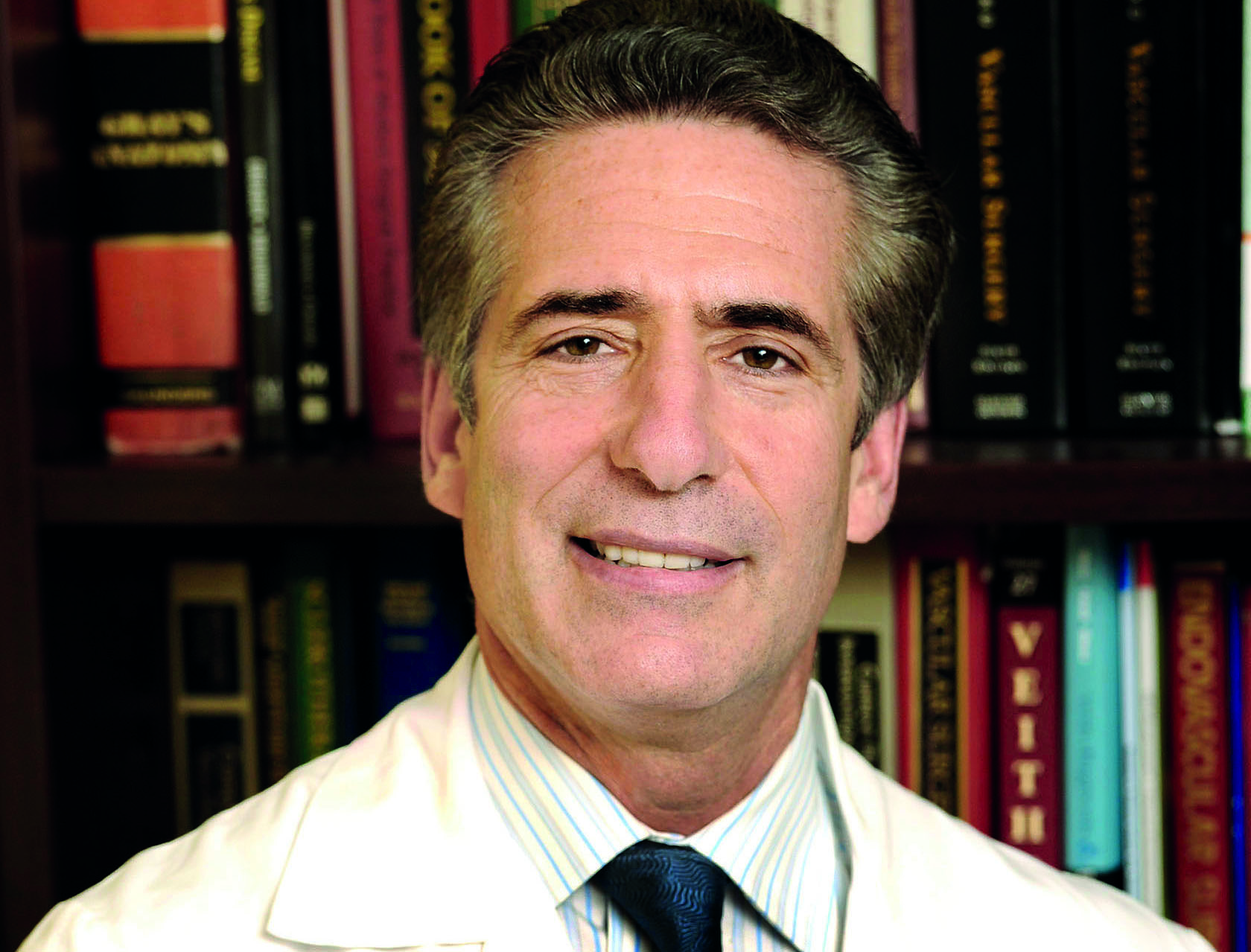
While a recent survey found that a majority of those who responded had performed mini-incision carotid endarterectomy (CEA) at least once in their practice careers, most answered that they did not perform the surgery routinely. In the world of general…
FFRCT diagnosis of coronary ischemia with ischemia-targeted coronary revascularization more than halves five-year risk of cardiac death and MI following CEA

Preoperative diagnosis of lesion-specific ischemia using coronary computed tomography (CT)-derived fractional flow reserve (FFRCT) and ischemia-targeted coronary revascularization after carotid endarterectomy (CEA) can reduce the five-year risk of cardiac death and myocardial infarction (MI) by more than 50% and improve…
Large database study finds no difference in outcomes between three carotid shunting strategies

A new Vascular Quality Initiative (VQI) data analysis, recently published in the European Journal of Vascular and Endovascular Surgery (EJVES), has found no statistically significant differences between three carotid endarterectomy (CEA) shunting strategies regarding in-hospital stroke and death rate, including…
Novel measure suggests 20% of elective carotid revascularizations fail to achieve a textbook outcome
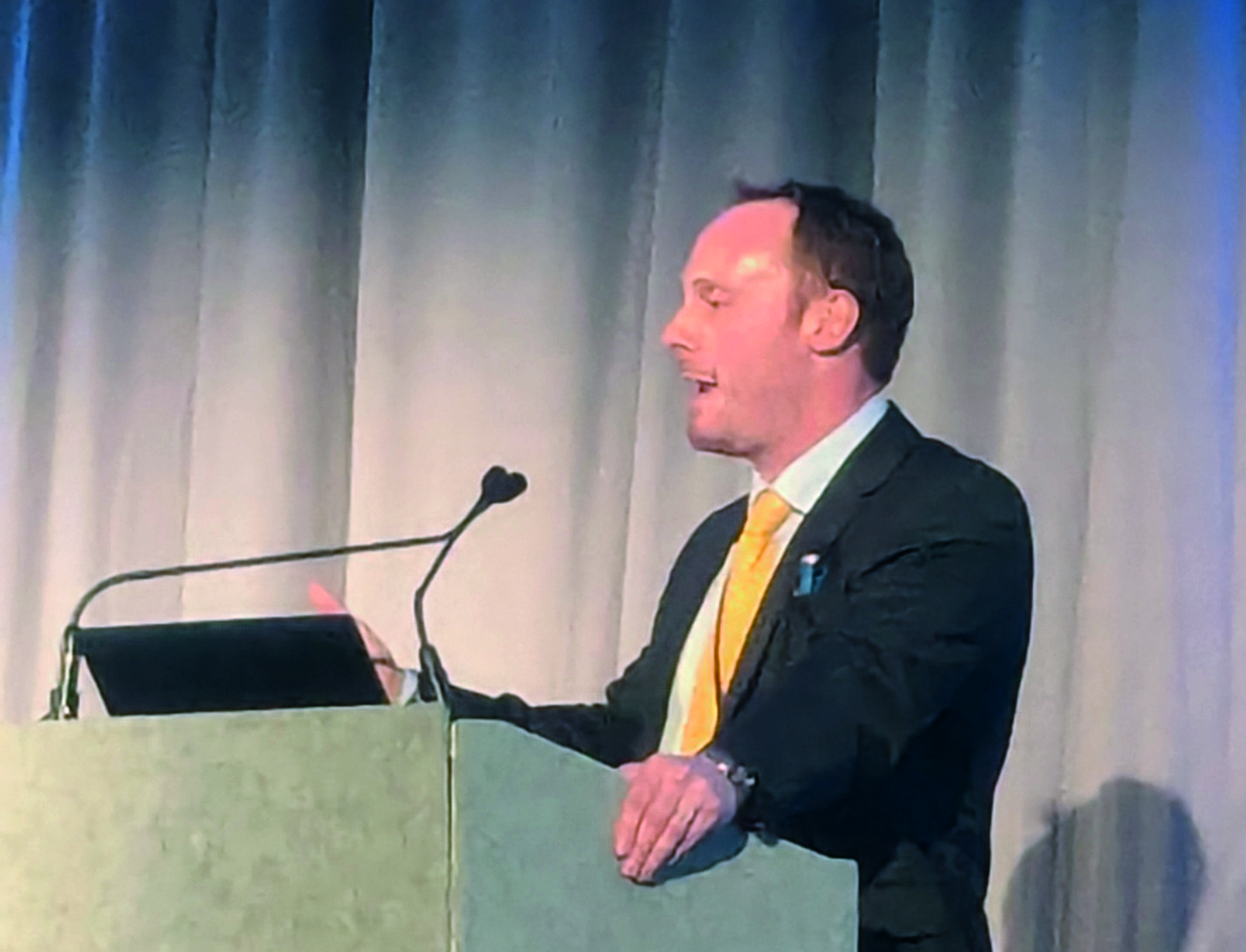
One in five patients failed to achieve a textbook outcome after undergoing carotid endarterectomy (CEA), transcarotid artery revascularization (TCAR) or transfemoral carotid artery stenting (TF-CAS), a Vascular Quality Initiative (VQI) analysis that tested a novel, patient-centric textbook outcome metric found.…
CEA: The importance of doctor-patient conversations about quitting smoking for better stroke outcomes in setting of asymptomatic stenosis
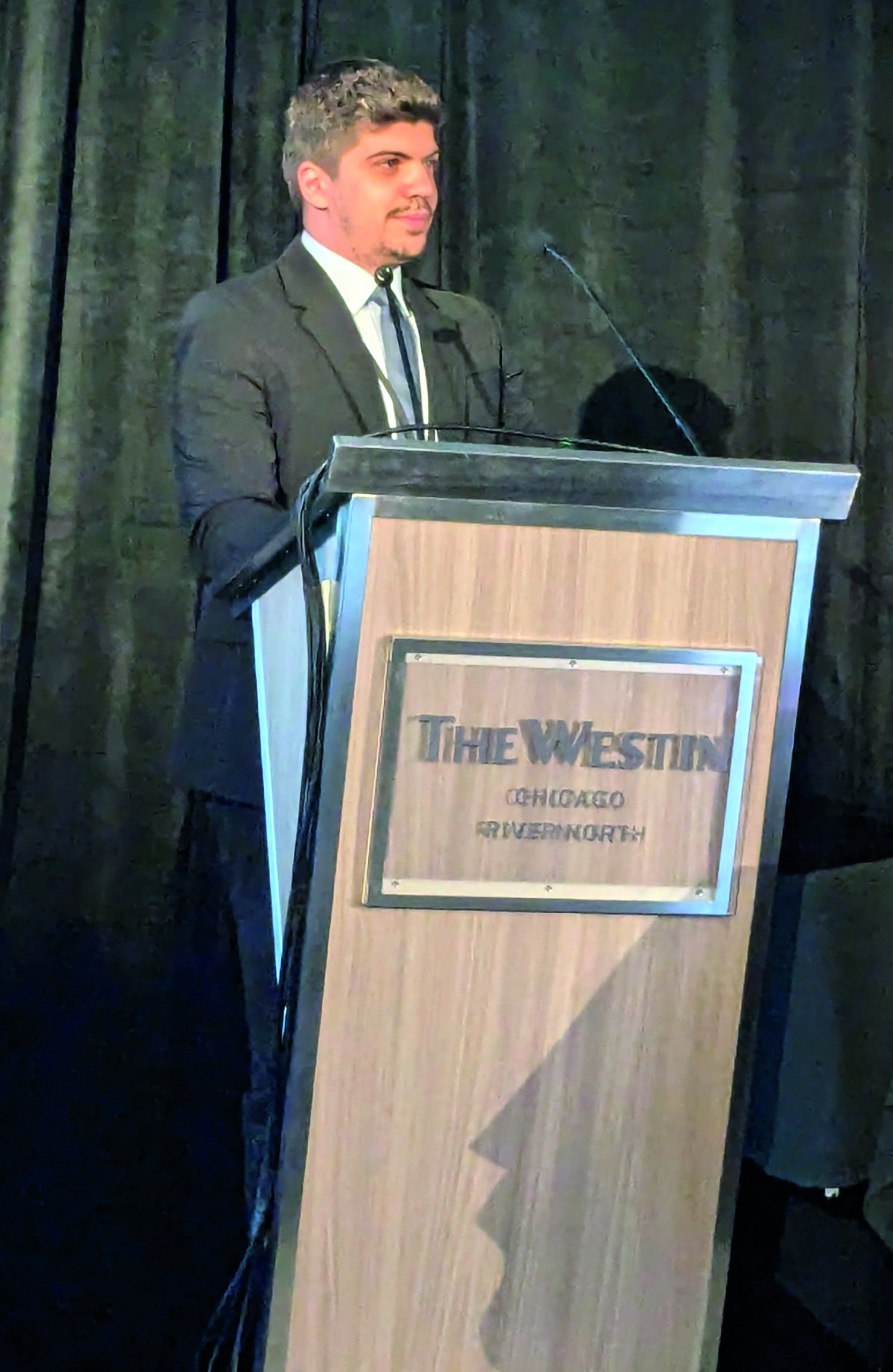
A new analysis that shows current smokers who undergo carotid endarterectomy (CEA) for asymptomatic carotid stenosis are at increased risk of long-term stroke and death compared to former or never smokers helps reinforce the importance of physicians talking to patients…
SVS Vascular Quality Initiative launches Carotid Care Quality Champion program

The Society for Vascular Surgery Vascular Quality Initiative (SVS VQI) clinical registry today announced the Carotid Care Quality Champion recognition program. The program honors healthcare organizations across the USA dedicated to improving the safety and effectiveness of vascular care through participation…
Unmet needs and paradigm shifts: VESS scientific sessions set to plumb the vasculature for advances in practice

Selected research to be presented during the Wednesday afternoon, June 19, series of Vascular and Endovascular Surgery Society (VESS) Scientific Sessions (from 1:30 p.m. onward in the West Building, Level 1) will highlight areas of unmet need and offer paradigm-shifting…
Single-center analysis suggests improved longer-term outcomes with endarterectomy versus TCAR
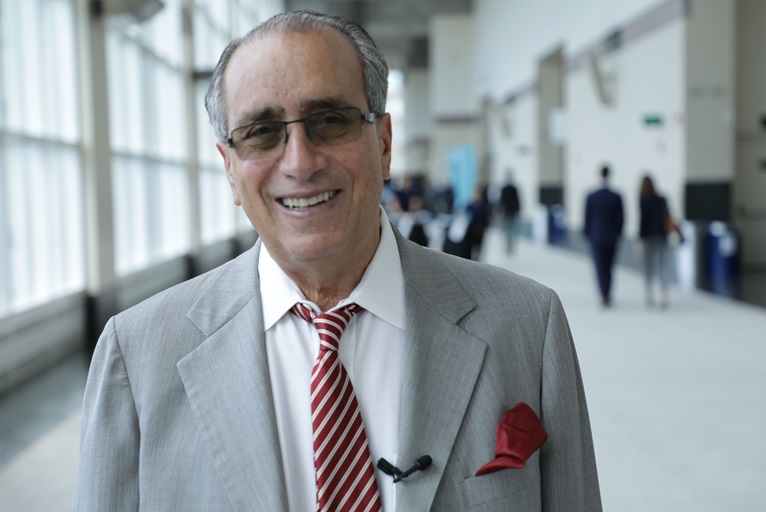
A large, single-center analysis has found that, despite parity between the two procedures in terms of perioperative clinical outcomes, carotid endarterectomy (CEA) was associated with a reduced rate of late stroke/death compared to transcarotid artery revascularization (TCAR). Writing in the…
Carotid stenting rebuttal: Those who live in glass houses…

Christopher J. White, MD, responds to a recent editorial by Malachi Sheahan III, MD, that took a critical look at the decision by the Centers for Medicare & Medicaid Services (CMS) to expand coverage for carotid artery stenting (CAS). I’m…