Brought to you by:

-
Discussing ERAS—Enhanced Recovery After Surgery

Enhanced Recovery After Surgery (ERAS) pathways have been beneficial for many surgical specialties and are now available to guide the perioperative care of patients undergoing open aortic operations. The Vascular Quality Initiative (VQI) will discuss this important topic starting at 8:35 a.m. Wednesday, June 15, during the VQI@VAM annual meeting at the Hynes Convention Center…
-
Open surgical bypass to distal targets at the ankle is ‘viable’ infrapopliteal CLTI treatment

The Vascular and Endovascular Surgical Society (VESS) Paper Session at the Vascular Annual Meeting (VAM) in Boston on Wednesday, June 15, will see Othman M. Abdul-Malak, MD, from the University of Pittsburgh Medical Center in Pittsburgh, deliver results from “Midterm outcomes and predictors of failure of lower-extremity bypass to paramalleolar and pedal targets.” Open surgical…
-
Wound healing research earns SVS Foundation prize, place on VAM stage
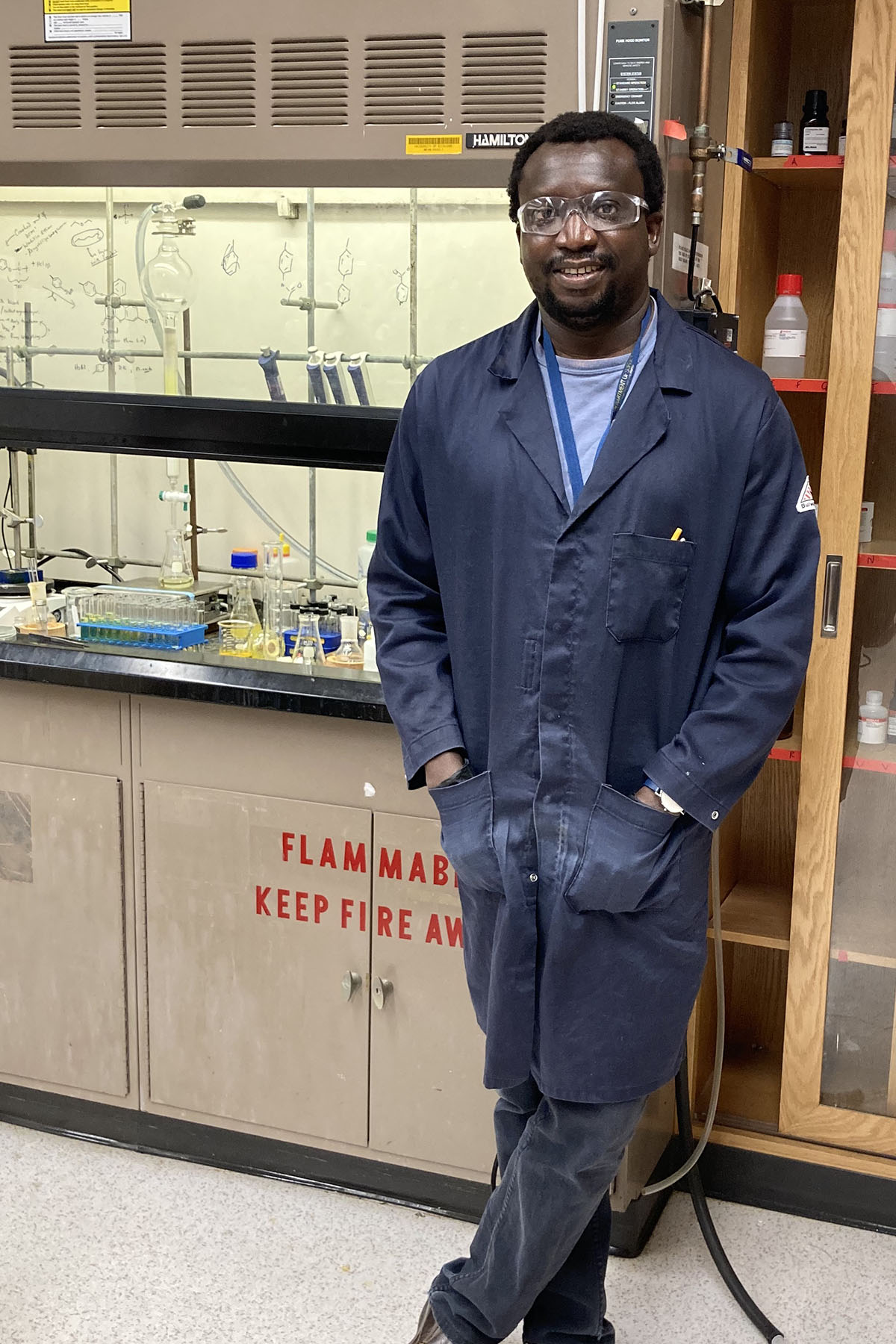
University of Michigan resident and Vascular Specialist resident/fellow editor Christopher Audu, MD, has been granted the SVS Foundation Resident Research Award for 2022. And, already, he is looking ahead to where the research might go next, and the wider importance of addressing his chosen research topic—wound healing—which he describes as a common and persistent problem…
-
Early TCAR results in higher ipsilateral postoperative stroke rates when compared to carotid endarterectomy
Adham Elmously, MD, a fellow at New York Presbyterian Hospital, New York, is set to present outcomes of early transcarotid artery revascularization (TCAR) vs. carotid endarterectomy (CEA) after acute neurologic events during the opening day of the Vascular Annual Meeting (VAM) in Boston (June 15–18). Speaking on behalf of senior author Danielle Bajakian, MD, of…
-
‘Endovation’: Guidelines from the front lines
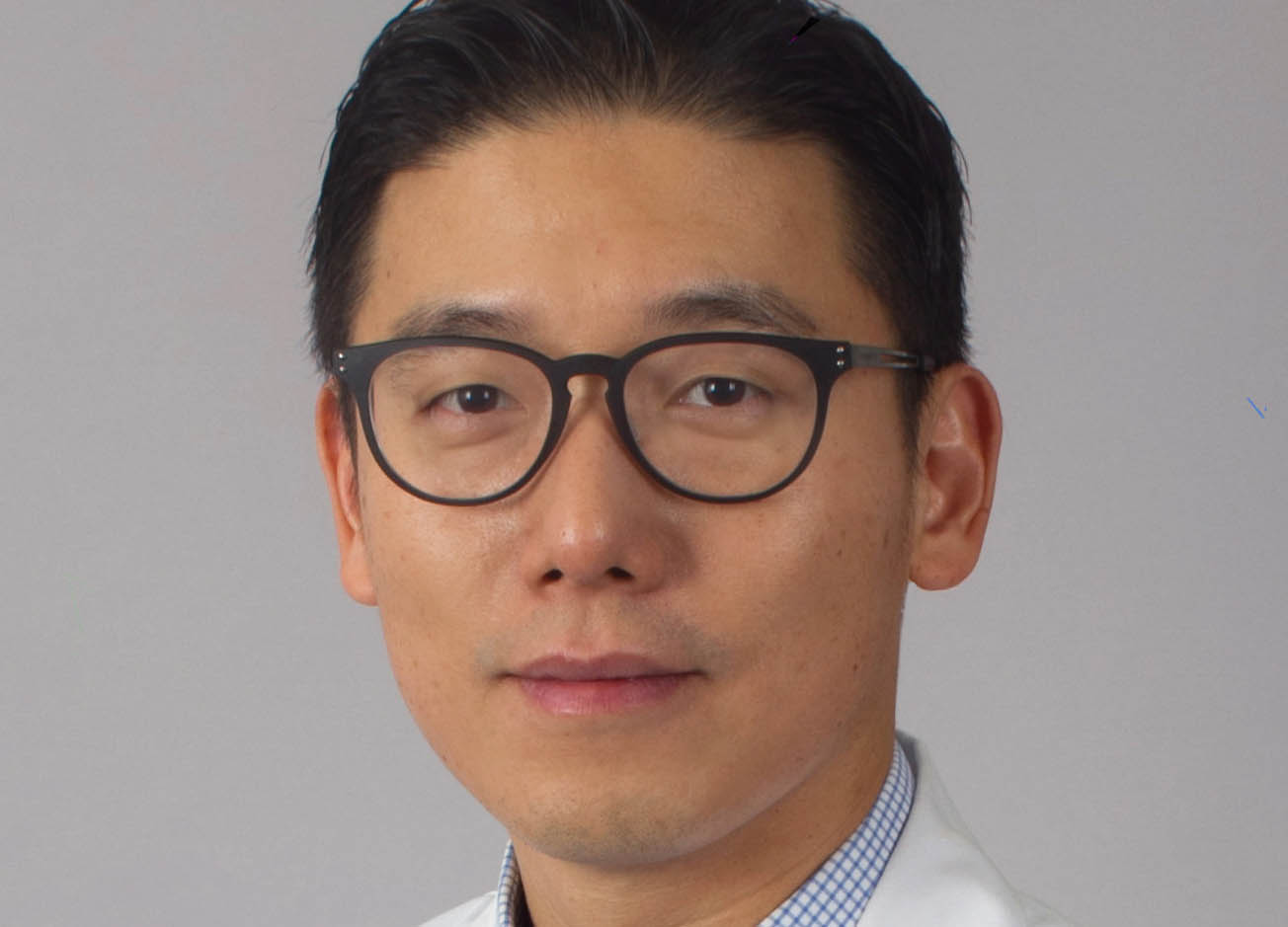
Among the highlights from the “‘Endovation’—Endovascular Innovation for Urgent and Emergency Complex Aortic Disorders” session coming up at the 2022 Vascular Annual Meeting (VAM) Wednesday, June 15, is a presentation by Sukgu M. Han, MD, from the Keck Medical Center at University of Southern California, Los Angeles—“Guidelines from the front lines: Can we develop best…
-
The top 10 most popular Vascular Specialist stories in May 2022

News on the Society for Vascular Surgery (SVS) ballots set to determine the next vice president and secretary, a hard-hitting column about vascular surgery’s role in treating vascular injury, and a look inside the most recent issue of Seminars in Vascular Surgery were among the most-read stories on the Vascular Specialist website during the month…
-
A new pathway for preventing dementia?

Craig Weinkauf, MD, is leading a trial looking into a connection between Alzheimer’s and carotid stenosis. ‘We want to try to quantify the brain: volumes, structural connectivity, functional connectivity and other relevant findings associated with neurodegeneration,’ he says. Society for Vascular Surgery (SVS) member Weinkauf enrolled patient No. 1 just a few months ago in…
-
Urban or rural: Ensuring access to quality vascular care ‘no matter what’

Michael Dalsing, MD, talks to Vascular Specialist about how his formative years growing up in rural Wisconsin, as well as experience of operating in inner-city Indianapolis, helped inform the topic he chose for this year’s Crawford Critical Issues Forum set to take place at Vascular Annual Meeting (VAM) in Boston: “Quality Vascular Care for All—An…
-
75 facts in 75 days to celebrate 75 years

Alton Ochsner, MD, was the first president of the Society for Vascular Surgery (SVS), which was formed in 1946. The first annual meeting—a half-day affair—was held in Atlantic City, New Jersey, June 8, 1947. Julie Ann Freischlag, MD, was the first woman president (and to date the only one). And the first 10 people to…
-
Carotid disease, carotid endarterectomy, CLTI, coronary artery, FFRCT, Imaging, silent coronary ischemia, VAM
Silent coronary ischemia: FFRCT reduces cardiac death, myocardial infarction in carotid endarterectomy patients out to three years, study finds
Diagnosis of silent, or unsuspected, coronary ischemia in patients undergoing carotid endarterectomy (CEA) using fractional flow reserve-computed tomography (FFRCT), with selective postoperative coronary revascularization, significantly reduced cardiovascular death, cardiac death and myocardial infarction through three years of follow-up when compared to CEA patients receiving standard cardiac evaluation, researchers will report at the 2022 Vascular Annual…