Brought to you by:

CREST-2: Landmark trial finds benefit from carotid stenting
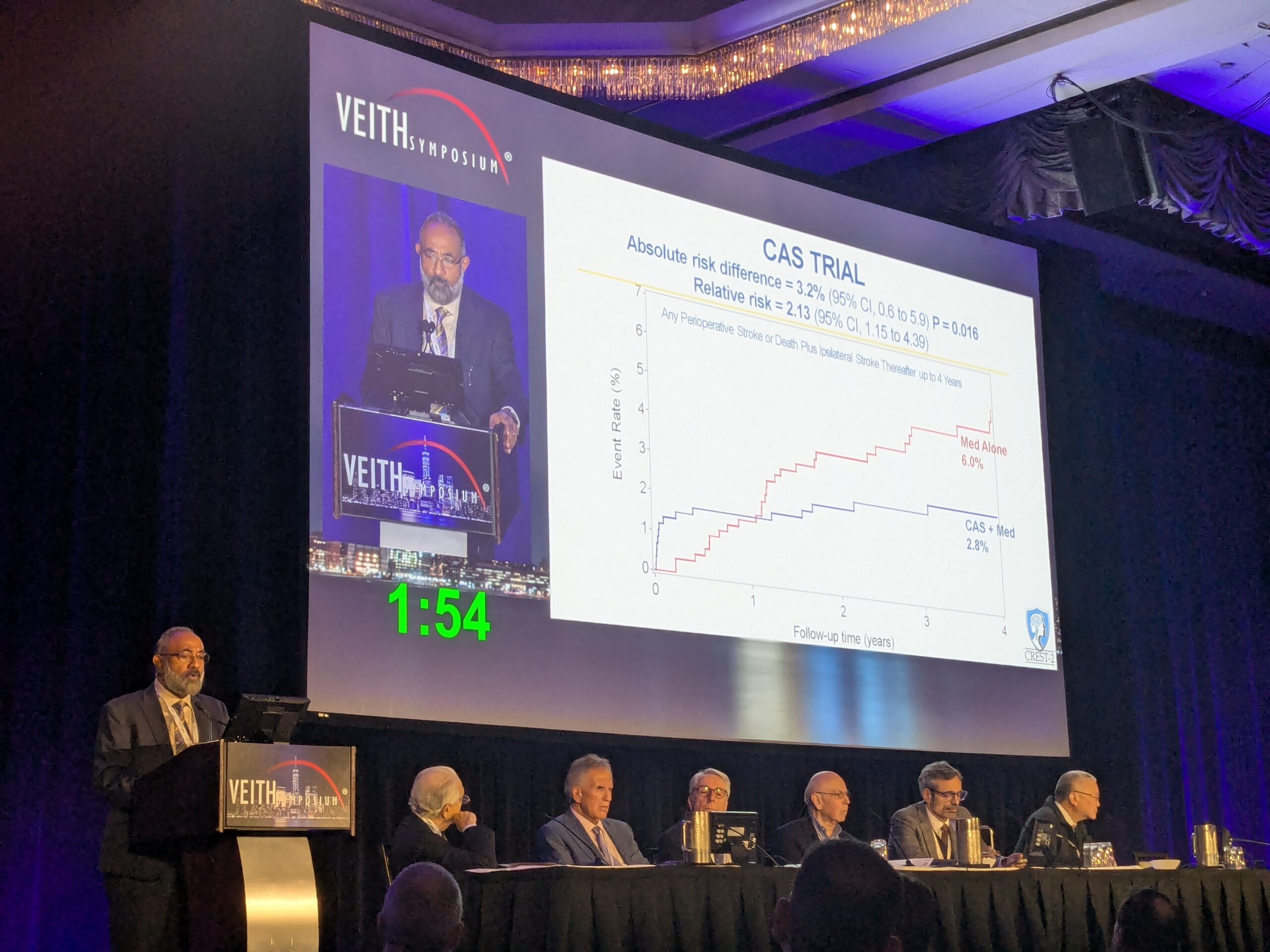
The National Institutes of Health (NIH)-funded CREST-2 study has found that, for people with high-grade asymptomatic carotid artery stenosis who have not experienced recent stroke symptoms, a carotid artery stenting (CAS) procedure—combined with intensive medical therapy—significantly lowered stroke and death…
PERFORMANCE III demonstrates ‘very low’ 30-day event rates for dual neuroprotection in TCAR
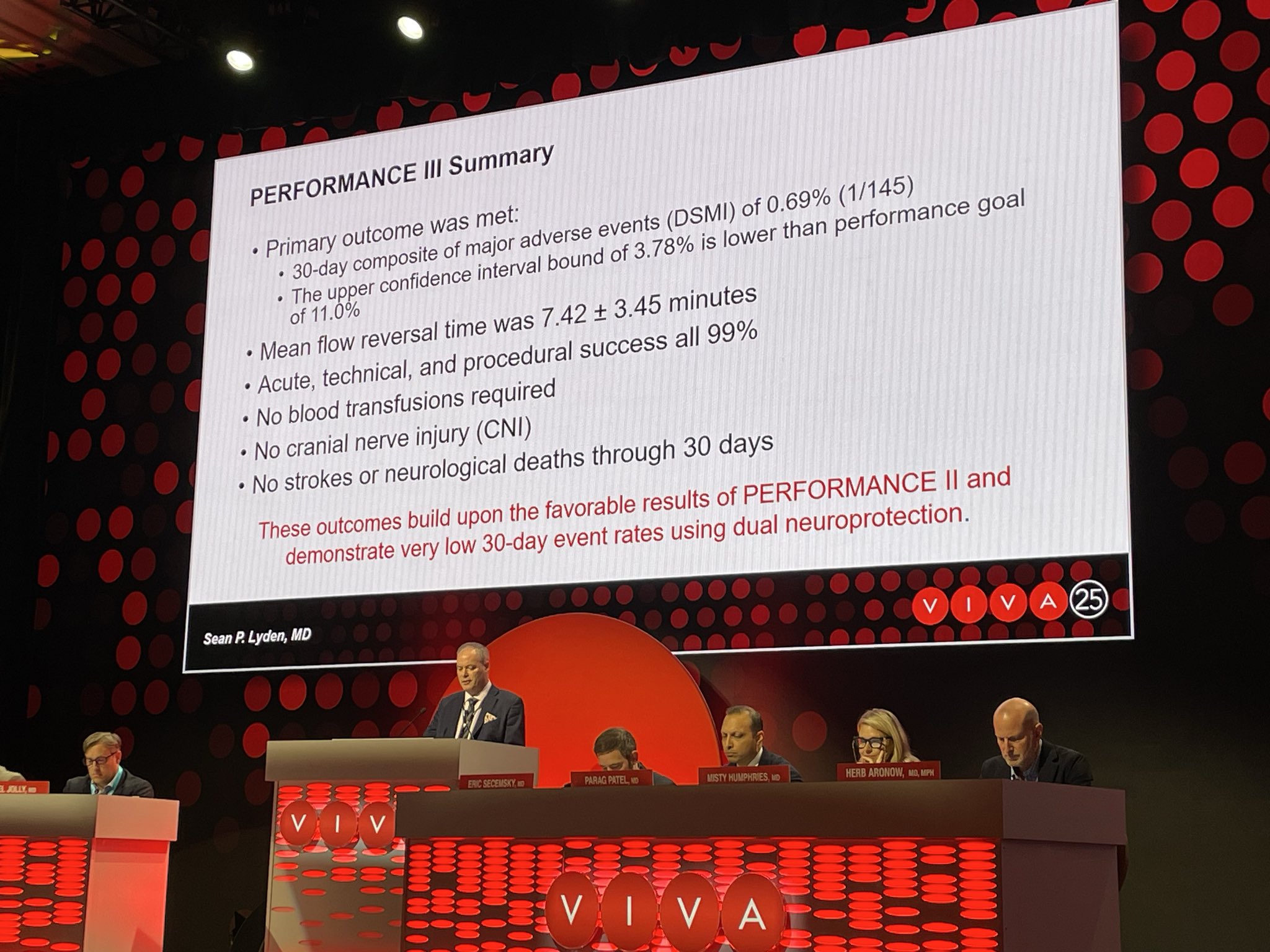
Thirty-day results from the PERFORMANCE III study of integrated embolic protection (IEP) in transcarotid artery revascularization (TCAR) demonstrate “very low” 30-day event rates. Sean Lyden, MD, chair of vascular surgery at the Cleveland Clinic in Cleveland, Ohio, shared this finding…
‘Excellent’ one-year outcomes from ROADSTER 3 show TCAR is ‘safe and effective’

One-year outcomes in the ROADSTER 3 post-approval study to evaluate the safety and effectiveness of transcarotid artery revascularization (TCAR) using the Enroute stent and neuroprotection system (Boston Scientific) in standard-surgical-risk patients revealed a 1.5% intention-to-treat rate of composite major adverse…
Patient-facing literature from SVS found to exceed recommended reading level
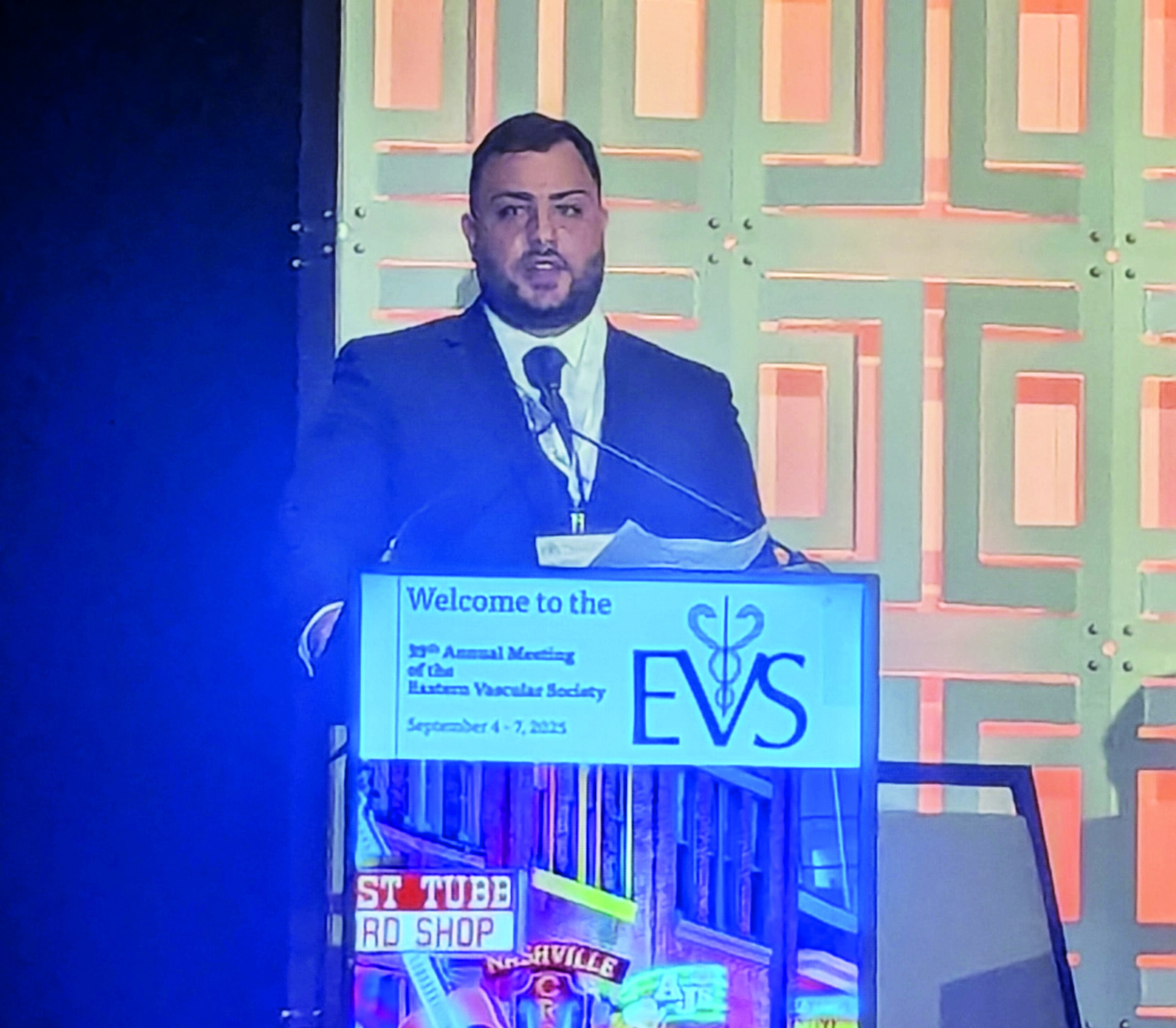
A readability analysis of 15 publicly available patient education materials from the SVS found that all but three exceeded the 8th-grade reading level, the threshold at which the average adult in the U.S. reads. Additionally, all 15 breached the 6th-grade…
AI: Where it lands today and how it might impact the vascular future

The speed with which artificial intelligence (AI) is beginning to envelope aspects of the human experience strikes many as jarring. Its entrance into the world of vascular surgery, too, has picked up a pace in recent years, with models and…
Drilling into controversies in field of asymptomatic severe carotid stenosis management
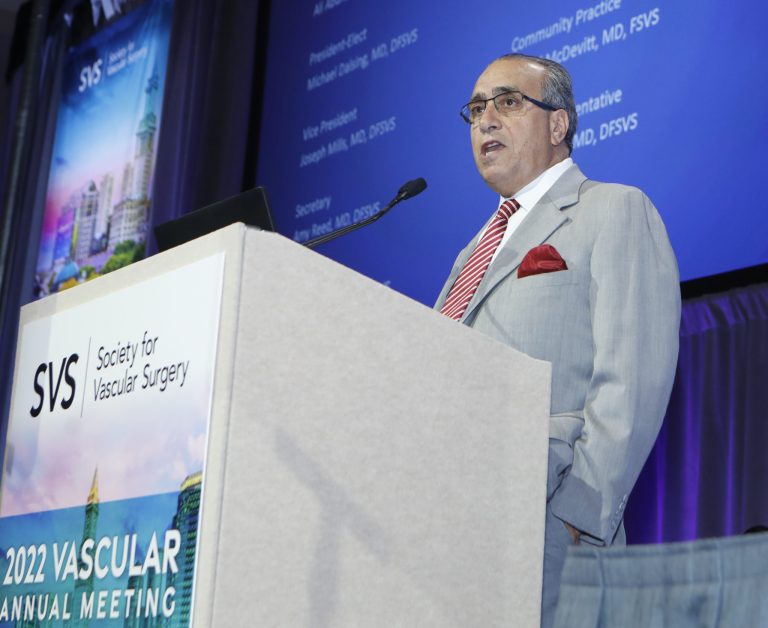
Some of the enduring controversies in the management of asymptomatic severe carotid stenosis will underpin an educational session set to take place today. The session tackles debate around the deployment of carotid revascularization strategies in both standard- and high-risk patient…
Debate verdict: Carotid endarterectomy maintains its golden hue
The established “gold-standard” approach to carotid revascularization remained enshrined as the go-to operation as far as a 2025 Charing Cross (CX) International Symposium audience was concerned. Some 76% of those who voted in the post-debate poll sided with Barbara Rantner,…
ROADSTER 3 provides key evidence that ‘goes beyond registry data’ on TCAR-related stroke rates
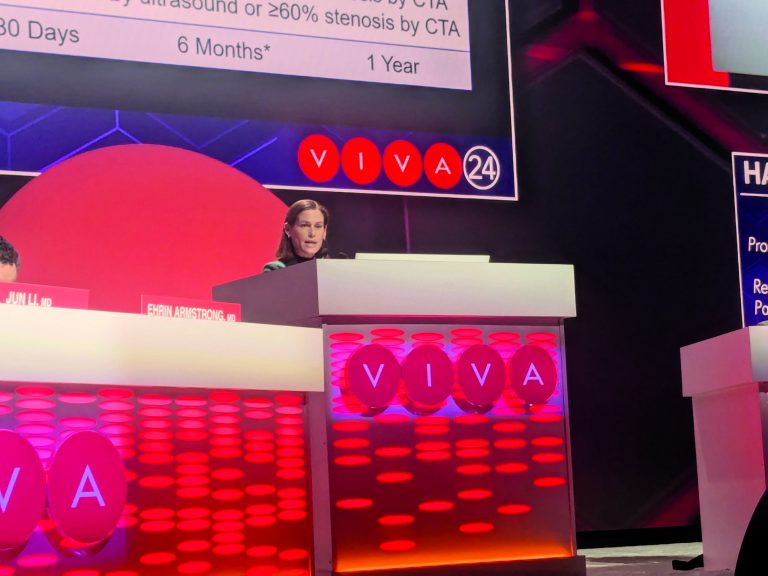
Thirty-day results from the ROADSTER 3 study have demonstrated that transcarotid artery revascularization (TCAR) is a safe and effective approach in patients who are deemed to be standard risk for experiencing adverse events related to carotid endarterectomy (CEA). These findings…
CEA: The importance of doctor-patient conversations about quitting smoking for better stroke outcomes in setting of asymptomatic stenosis
A new analysis that shows current smokers who undergo carotid endarterectomy (CEA) for asymptomatic carotid stenosis are at increased risk of long-term stroke and death compared to former or never smokers helps reinforce the importance of physicians talking to patients…
Contego Medical’s Neuroguard IEP system receives US FDA approval for carotid revascularisation

Contego Medical today announced the US Food and Drug Administration’s (FDA) premarket approval (PMA) of the Neuroguard IEP system for carotid revascularisation. The company shares in a press release that clinical studies of the Neuroguard IEP system, including the PERFORMANCE…