Brought to you by:
-
Deep vein arterialization challenges notion of ‘no-option’ CLTI
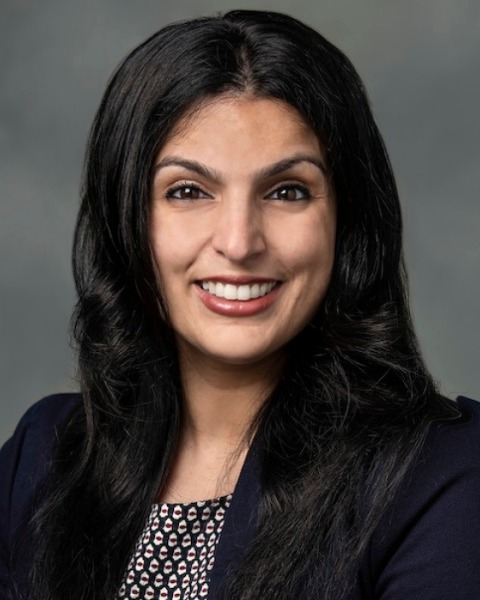
“Patients previously considered ‘no-option’ may no longer truly be without options,” said Anahita Dua, MD, associate professor at Harvard Medical School and a vascular surgeon at Massachusetts General Hospital. That assertion sums up the central finding of an analysis comparing deep vein arterialization (DVA) with the current standard of care for no-option chronic limb-threatening ischemia…
-
DCB therapy reduces MALE rates across femoropopliteal lesion complexity
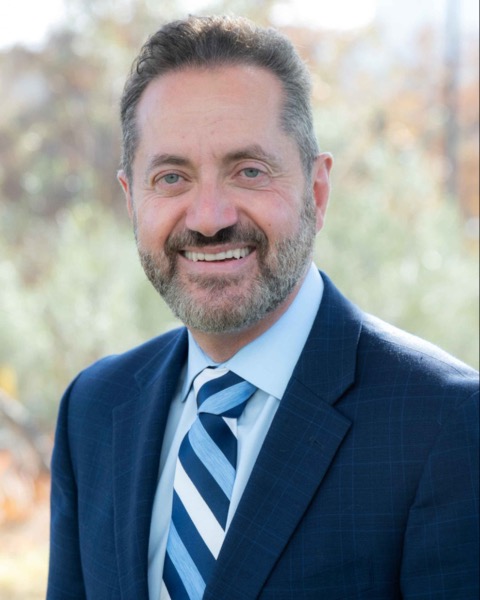
In an era of expanding device options and the clinical temptation to match procedural complexity to lesion complexity, a new study offers a counterintuitive but data-driven argument: In femoropopliteal disease, doing less may actually deliver more. Research using the Vascular Quality Initiative (VQI) finds that drug-coated balloon (DCB) therapy is associated with significantly improved limb…
-
Pre-operative guideline adherence tied to fewer major adverse limb events
For patients with claudication, surgical revascularization is meant to restore quality of life. But a new retrospective study finds that most patients are arriving for that intervention without completing the pre-operative care that guidelines recommend and that the shortfall carries real consequences. The research shows that the gap between partial and complete adherence to guideline-directed…
-
Tibial access in claudicants linked to guideline-discordant care and CLTI progression
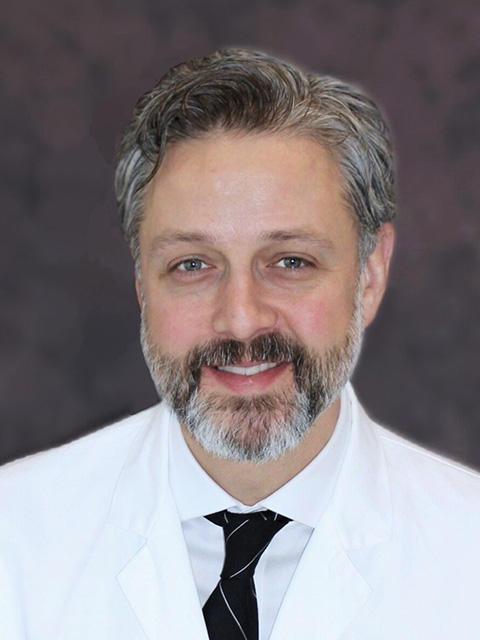
Retrograde tibial access has long offered technical advantages in peripheral vascular procedures, but a new study raises concern that its use in patients with claudication may be driving treatment decisions that exceed what current guidelines recommend, creating a clinically significant downside. That is the study’s central concern, examining retrograde tibial access during peripheral angiography in…
-
Data shows disease severity drives ALI outcomes more than treatment choice
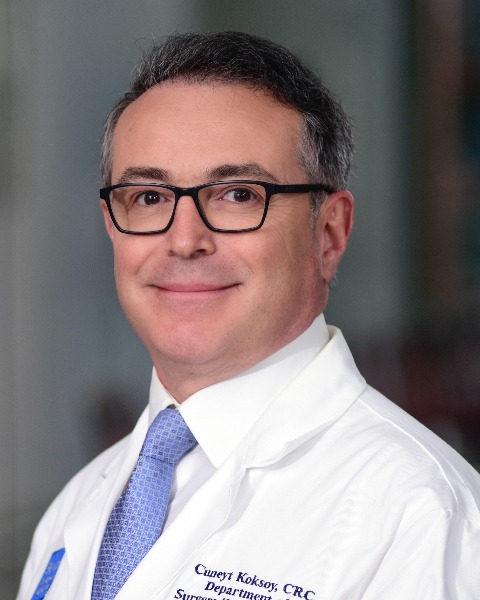
A large retrospective study of patients with acute limb ischemia (ALI) found that early outcomes including limb salvage, survival and amputation-free survival are equivalent between open surgery-first and endovascular-first revascularization strategies. The research determined that outcomes were driven primarily by the severity of ischemia at presentation and not by the treatment approach selected, a finding…
-
Carotid endarterectomy and TCAR show comparable outcomes in patients with high cardiac risk
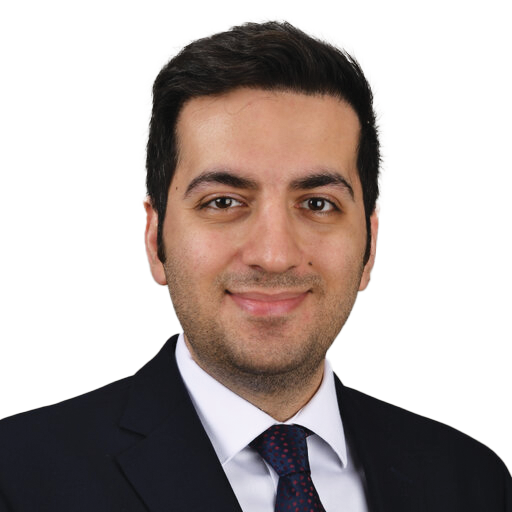
Carotid endarterectomy (CEA) and transcarotid artery revascularization (TCAR) showed similar perioperative safety and long-term effectiveness in patients with severe cardiac comorbidities, according to a recent retrospective review of a prospectively maintained database. Aidin Baghbani, MD, first author on the study and an integrated vascular surgery resident at the University of Texas Health Science Center at…
-
Education session closes PAD knowledge gap among primary care residents
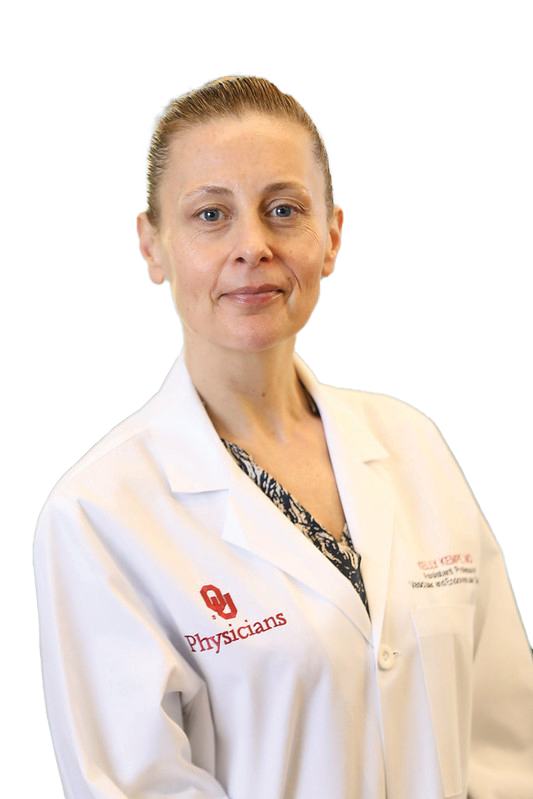
A focused education session significantly improved primary care residents’ confidence in diagnosing and managing peripheral artery disease (PAD), a new study found. The findings reinforce longstanding concerns about limited PAD awareness in primary care and highlight a scalable solution. “Our study examined how well current medical education prepares trainees to recognize and manage PAD,” said…
-
Study strengthens case for conservative therapy in claudication over early intervention
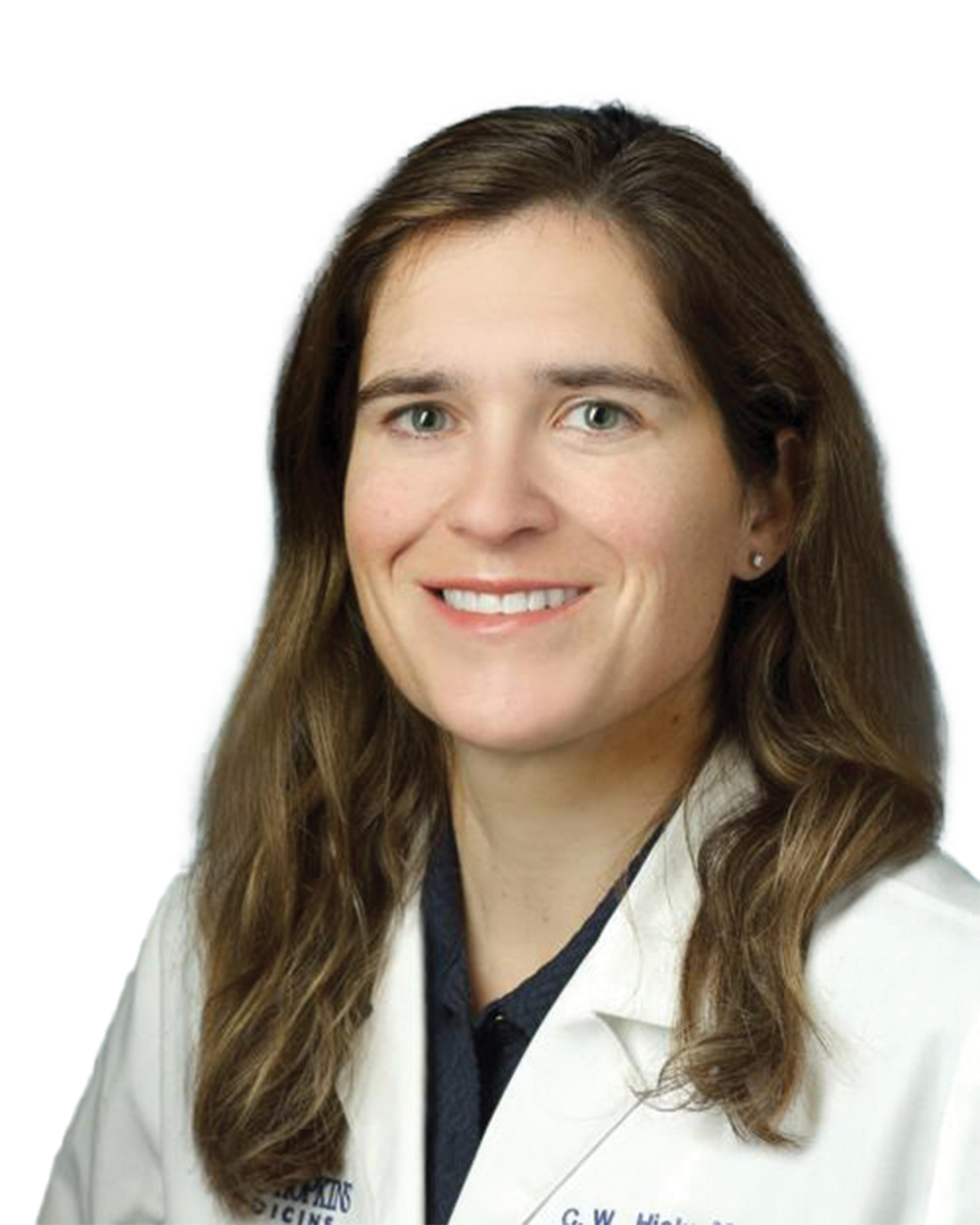
Early peripheral vascular intervention (PVI) for claudication is associated with higher rates of progression to chronic limb-threatening ischemia (CLTI) and major adverse limb events (MALE) compared with conservative medical management, according to data presented at the 2026 annual winter meeting of the Vascular and Endovascular Surgery Society (VESS) in Olympic Valley, California (Feb. 2-8). The study analyzed…
-
SVS updates patient reading materials to ‘improve accessibility’
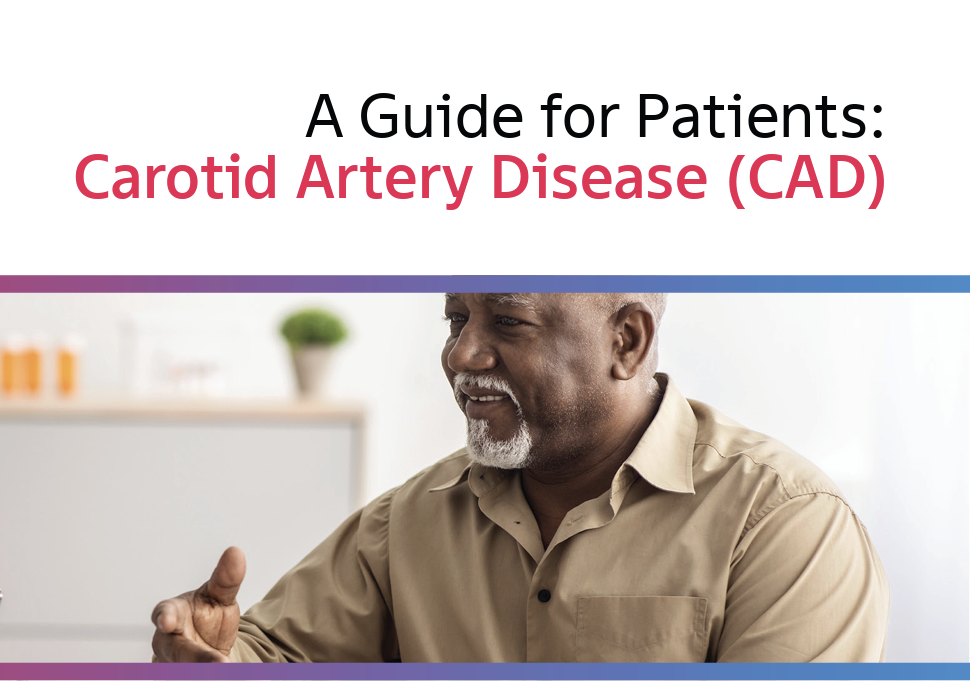
The Society for Vascular Surgery (SVS) has revamped the patient flyers on YourVascularHealth.org—the Society’s patient-facing online patient resource—in an effort to lower the reading level of the material and improve accessibility for patients. The site contains five flyers on the most common vascular conditions, including abdominal aortic aneurysm (AAA), carotid artery disease, deep vein thrombosis (DVT),…
-
‘What I talk about when I talk about value’

Outgoing Western Vascular Society (WVS) President Ahmed Abou-Zamzam Jr., MD, provided a possible prescription for value in vascular surgery that goes beyond the monetary value assigned to the profession. Using the memoir of Japanese writer Haruki Murakami, What I Talk About When I Talk About Running, to illustrate the point, Abou-Zamzam told attendees of the…