Brought to you by:

Optimizing acute limb ischemia treatment with a percutaneous-first approach

This advertorial is sponsored by Penumbra. Acute limb ischemia (ALI) management is evolving as new thrombectomy technologies expand the role of endovascular intervention. Jayer Chung, MD, Professor and Medical Director in the Division of Vascular Surgery and Endovascular Therapy at…
Unequal Access, unequal outcomes: Addressing disparities in acute limb ischemia

Although unequal access to care is contributing to persistent disparities in acute limb ischemia (ALI), there is a lot that surgeons can do to improve it. That’s the sentiment of Katharine McGinigle, MD, associate professor of surgery at UNC School…
Data shows disease severity drives ALI outcomes more than treatment choice

A large retrospective study of patients with acute limb ischemia (ALI) found that early outcomes including limb salvage, survival and amputation-free survival are equivalent between open surgery-first and endovascular-first revascularization strategies. The research determined that outcomes were driven primarily by…
New THRIVE data on CAVT technology for acute limb ischemia show ‘fewer complications, hospital resource use’

Recent THRIVE study data show that Penumbra’s computer-assisted vacuum thrombectomy (CAVT) technology not only has the potential to improve outcomes for lower extremity acute limb ischemia (LE-ALI) patients, but may also reduce healthcare resource use, thus potentially lowering overall costs…
Female patients found to be at increased risk from adverse outcomes after an ALI diagnosis
Results from a new study highlighting that female patients are at increased risk of adverse outcomes after acute limb ischemia (ALI) lend weight to the possibility of underdiagnosis and management of vascular disease among women, the authors behind the research…
The top 10 most popular Vascular Specialist stories of April 2024

In April, the most read stories from Vascular Specialist include new research on Chat generative pre-trained transformer (GPT) technology and its application within vascular surgery and training; SVS Vice President candidates are announced; a guest editorial on how open access…
New data show single-session Indigo aspiration system without overnight thrombolytics is safe and effective for patients with ALI
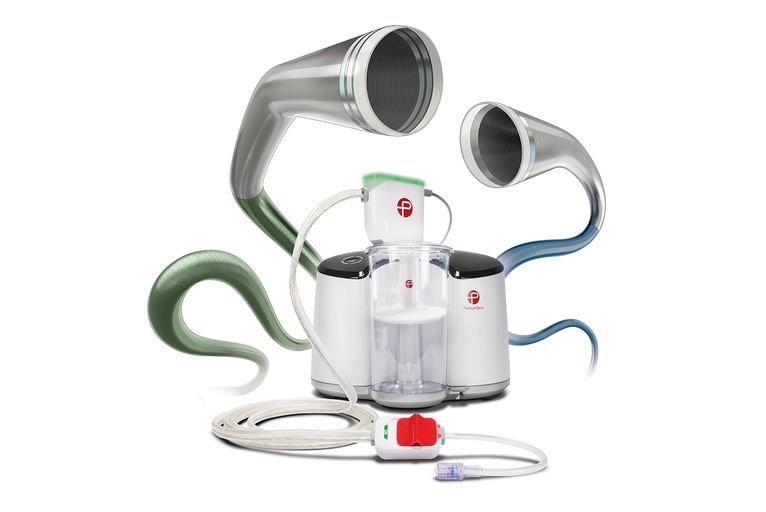
During the Society of Interventional Radiology (SIR) 2024 annual meeting (23–28 March, Salt Lake City, USA), newly presented data from a subgroup analysis of the STRIDE study showed that Penumbra’s Indigo aspiration system used in a single session without the…
ALI can occur with or without atherosclerotic disease, portends worse prognosis in COVID-19 patients, VESS session told

Acute limb ischemia (ALI) can occur with or without atherosclerotic disease and portends a worse prognosis in patients with COVID-19. This risk persists after COVID-19 infection due to a lingering co-inflammatory state, and D-dimer may be a useful screening test…
Strength in numbers: Global VASCC COVID-19 project helps identify framework to tackle delayed cases
When Robert Cuff, MD, and Max Wohlauer, MD, first launched the Vascular Surgery COVID-19 Collaborative (VASCC) back in the spring of 2020, the pandemic was still in its first wave, and the goal of a new vascular surgery registry to…
‘Rapid reduction’ in amputations follows opening of multidisciplinary limb preservation service

A multidisciplinary limb preservation service under the leadership of vascular surgery in a level one trauma center was associated with an immediate and rapid decline in the number of amputations performed for all indications, including trauma, acute limb ischemia (ALI),…