Brought to you by:

Philips expands commercial availability of LumiGuide imaging system
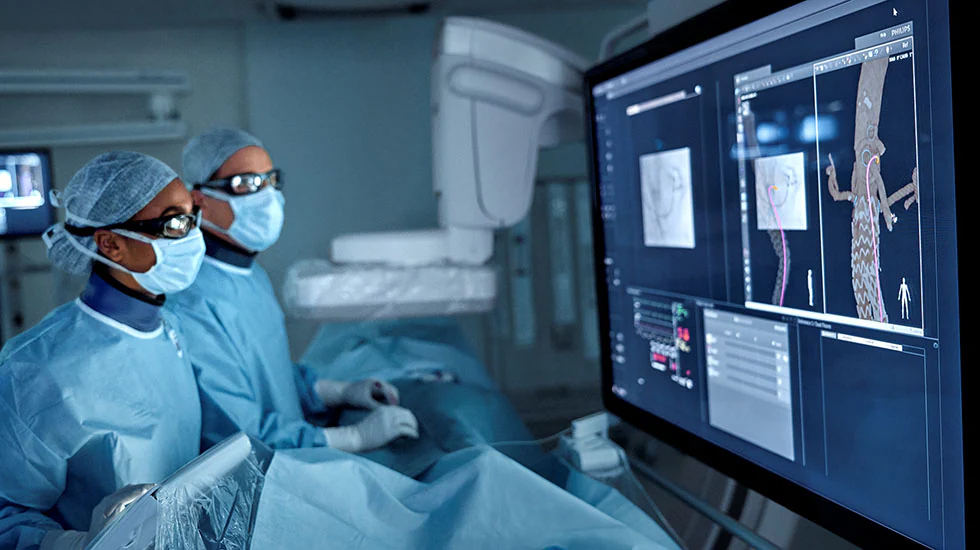
Philips has announced the expanded commercial availability of LumiGuide 3D device guidance—the much-heralded first real-time artificial intelligence (AI)-enabled light-based navigation solution for image-guided therapy—across Europe and the U.S. LumiGuide integrates with Philips’ Azurion platform, which is designed to drive procedural…
Closer to the goal: Shoring up data behind breakthrough imaging technology that plots a radiation-free future in new RCT

UMass chief peers down the lens of an if-not radiation-free complex aortic procedural future, then one in which the methods of today will look positively quaint. “I say this a lot,” says Andres Schanzer, MD, “but I think there is…
US ARC uncovers ‘dramatic’ decrease in use of prophylactic spinal drains at same time as spinal cord ischemia steeply declines

Despite a “dramatic” decrease in the use of prophylactic cerebrospinal fluid drains (CSFDs) for the prevention of spinal cord ischemia (SCI) in patients undergoing fenestrated and branched endovascular aortic repair (F/BEVAR), the rate of SCI has tracked a similarly dramatic…
New data support role of F/BEVAR for treatment of thoracoabdominal aortic aneurysms

A recent prospective, multicentre cohort study provides insights into early and late aortic-related mortality and rupture after fenestrated and branched endovascular aneurysm repair (F/BEVAR) of thoracoabdominal aortic aneurysms (TAAAs). Researchers claim these are likely to represent the most comprehensive data…
The endovascular revolution and open aortic training: ‘It’s not necessarily a crisis but it could become one’

Jean Panneton, MD, considers himself what he terms a “blue-collar” vascular surgeon as much as one engaged in academic practice and the necessity of helping contribute to the next generation of vascular surgeons. He operates. And he operates a lot.…
Bentley announces first-in-human implantation of BeFlared bridging stent
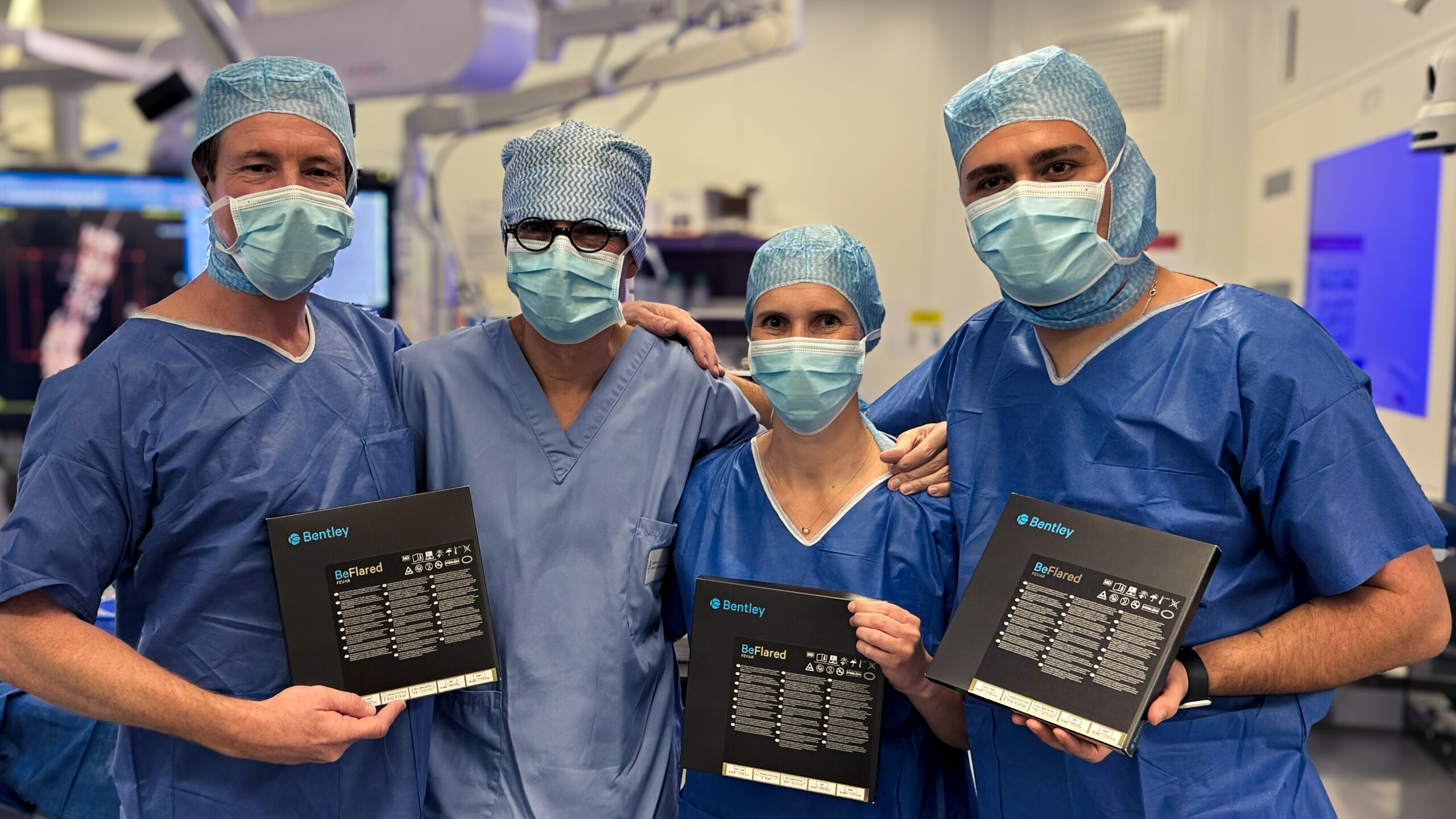
Bentley has announced the successful first-in-human implantation of its recently CE-certified BeFlared stent graft system, which the company states is the world’s first dedicated bridging stent for fenestrated endovascular aneurysm repair (FEVAR). The procedure was performed by Stéphan Haulon, MD,…
Rates of MAE and reintervention following F/BEVAR remain ‘stable,’ Aortic Research Consortium data show
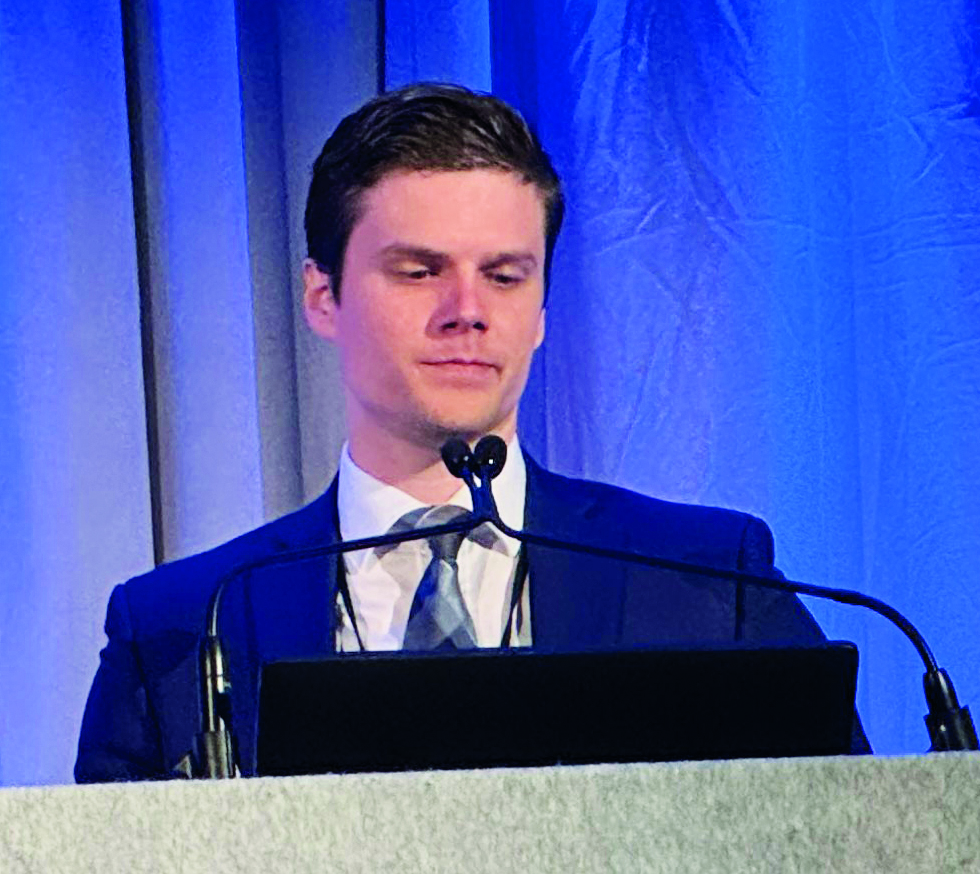
Latest study out of consortium details trends and outcomes after F/BEVAR procedures carried out over an eight-year period under consortium of 10 physician-sponsored IDEs. Despite increasing repair extent and complexity, rates of technical failure, adverse events and reintervention remained “stable”…
Analysis will kickstart conversation on F/BEVAR outcomes

New data presented during Friday’s Plenary Session 6 (10–11 a.m. in the West Building, Skyline Ballroom) will shed light on trends in the adoption of fenestrated and branched endovascular aortic repair (F/BEVAR) outside of Food and Drug Administration (FDA) Investigational…
Florida IDE trial data support use of physician-modified F/BEVAR over open conversion to treat failed EVAR
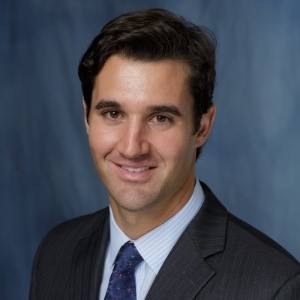
This advertorial is sponsored by Tampa General Hospital. As Dean Arnaoutakis, MD, describes it, failed endovascular aortic aneurysm repair (EVAR) for abdominal aortic aneurysms (AAAs) because of poor proximal fixation of the implanted endograft is a small but increasing problem.…
U.S. Aortic Research Consortium maps out F/BEVAR preoperative risk factors for one-year mortality in complex AAAs, TAAAs

A series of preoperative risk factors—including currently smoking, chronic kidney disease (CKD), congestive heart failure (CHF), aneurysm size greater than 7cm, more advanced age (75 or over), Crawford extent I–III thoracoabdominal aortic aneurysms (TAAAs), known chronic obstructive pulmonary disease (COPD),…