Brought to you by:

Closer to the goal: Shoring up data behind breakthrough imaging technology that plots a radiation-free future in new RCT

UMass chief peers down the lens of an if-not radiation-free complex aortic procedural future, then one in which the methods of today will look positively quaint. “I say this a lot,” says Andres Schanzer, MD, “but I think there is…
Carotid intervention linked to improved survival versus medical management in symptomatic patients

New study data suggest that the interventional treatment of symptomatic carotid artery disease may result in an improved rate of age-adjusted overall survival compared to medical management. However, the same study—presented at this year’s European Society for Vascular Surgery (ESVS) annual meeting…
New comparative study shows no differences between HeRO and fAVG

A new contemporary comparative study will be presented during Friday’s Plenary Session 5 (8–9:30 a.m., West Building, Level 3, Skyline Ballroom) by author Theodore H. Yuo, MD, assistant professor at the University of Pittsburgh Medical Center (UPMC) in Pittsburgh, Pennsylvania.…
‘We are in this together’: SVS president set to issue call for vascular surgery unity amid tensions of modern medicine

SVS President Joseph Mills, MD, is set to issue a rallying call steeped in classical history and decades of collected vascular surgery wisdom in order to bring the specialty together for a common purpose: to overcome “unrest” and to drive…
Early vascular evaluation can ‘significantly supplement’ wound healing and limit resource waste
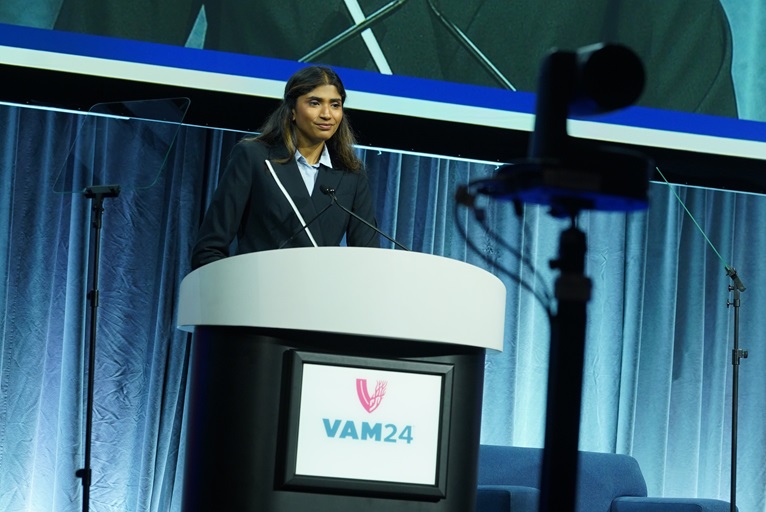
“Our findings ultimately suggest that vascular evaluation within six weeks of wound appearance can significantly supplement wound healing in wound centers,” said Saranya Sundaram, MD, vascular surgery resident (PGY-3) at the Medical University of South Carolina in Charleston, presenting data…
Chickasaw Nation study exemplifies how diversity can boost patient access to specialized vascular care
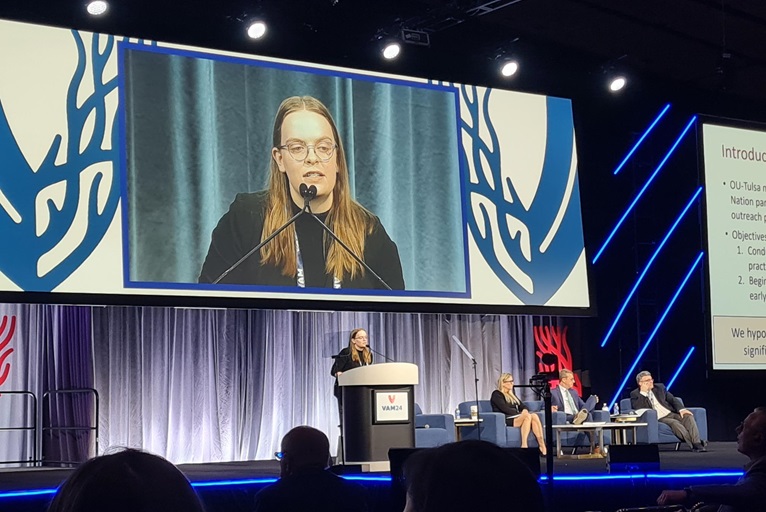
A “feasible and reproducible” intervention bundle characterized by surveys, provider education and patient screening has demonstrated the potential to not only identify gaps in peripheral arterial disease (PAD) primary care practices, but also to help address them. This was a…
Sex-based analysis finds BEST-CLI data generalizable to female patients
A new secondary analysis of sex disparities in the best endovascular versus best surgical therapy in patients with critical limb ischemia (BEST-CLI) trial data has found that improved major adverse limb event (MALE)-free survival via open surgical bypass with single…
TCAR and endarterectomy both ‘reasonable’ but stenting linked to worse outcomes in kidney disease patients
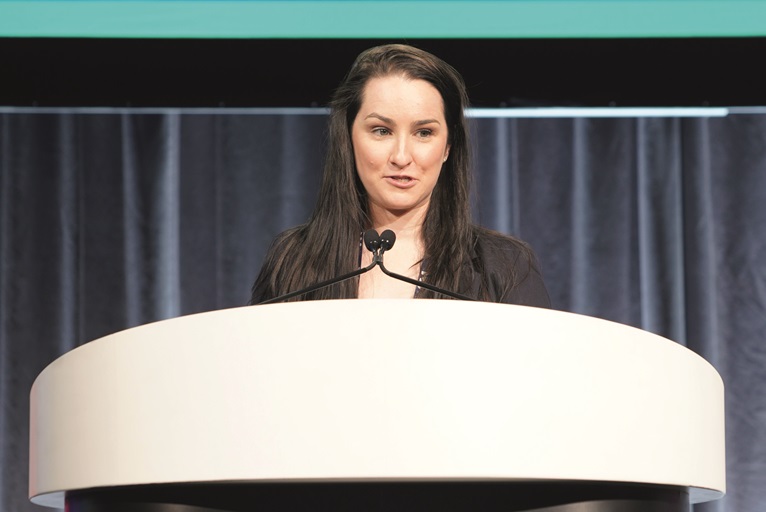
A study examining outcomes between different carotid revascularization procedures has concluded that transcarotid artery revascularization (TCAR) and carotid endarterectomy (CEA) both represent a “reasonable choice” in severe chronic kidney disease (CKD) and hemodialysis patients—but transfemoral carotid artery stenting (TF-CAS) appears…
Patient selection may explain ‘counterintuitive’ relationship between carotid stenting volume and outcomes in new study
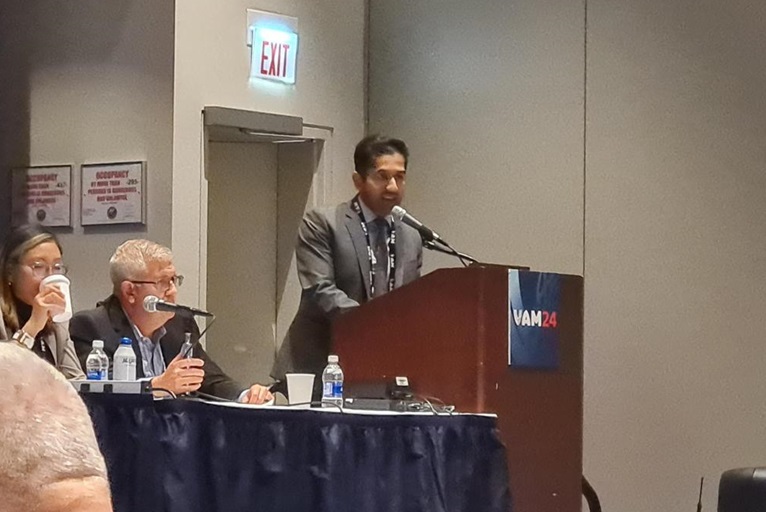
High stroke and death rates relating to carotid stenting in the Pacific Northwest may be driven by the selection of high-risk patients with less than 80% stenosis, and reducing the frequency of stenting in this high-risk group—along with better adherence…
Dedicated session offers insight on ebbs and flows of SVS, ESVS guidelines

An education session set to take place in the afternoon of Wednesday, June 19 (3:15–4:45 p.m. in the West Building, Level 1), will examine discrepancies between Society for Vascular Surgery (SVS) and European Society for Vascular Surgery (ESVS) clinical practice…