Brought to you by:
-
Diversity in care: ‘From being exclusive to more inclusive’
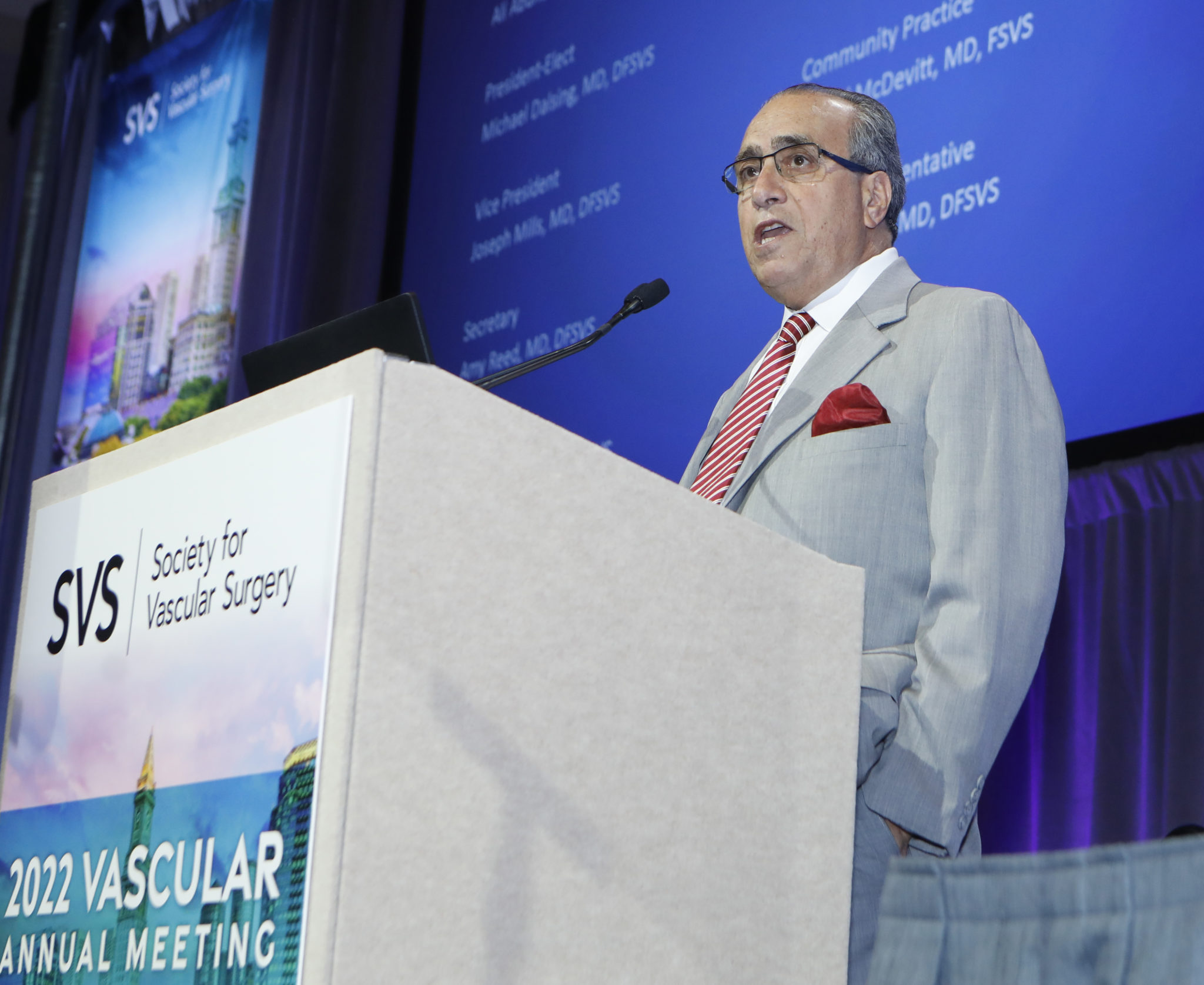
The role diversity played in the past, how it functions in the present, and where it might take vascular surgery in the future formed one of the central themes running through the Presidential Address delivered by outgoing Society for Vascular Surgery (SVS) President Ali AbuRahma, MD, during the 2022 Vascular Annual Meeting (VAM) in Boston…
-
New findings support benefits of structured discharge approach for post-discharge transition of care
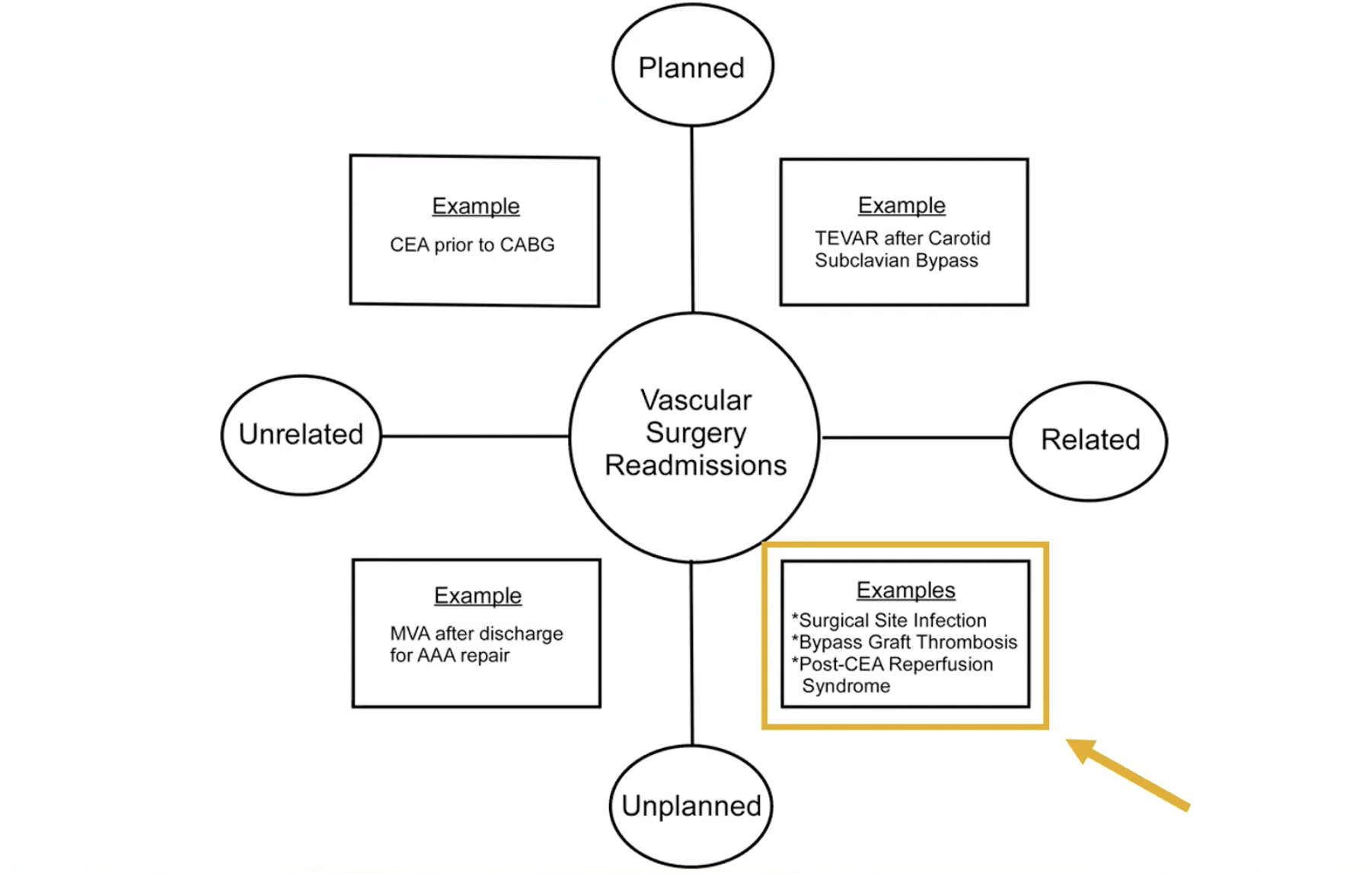
Researchers have found that restructuring the discharge process of a vascular surgery service decreased escalation to clinical staff from an automated post-discharge phone call and improved early post-discharge visits. Thirty-day readmission rates remained unchanged despite these efforts, however, and was increased for patients requesting escalation. Cara G. Pozolo, MD, a resident at University of California…
-
Study demonstrates feasibility, effectiveness of at-home exercise therapy plus cognitive behavior therapy for IC
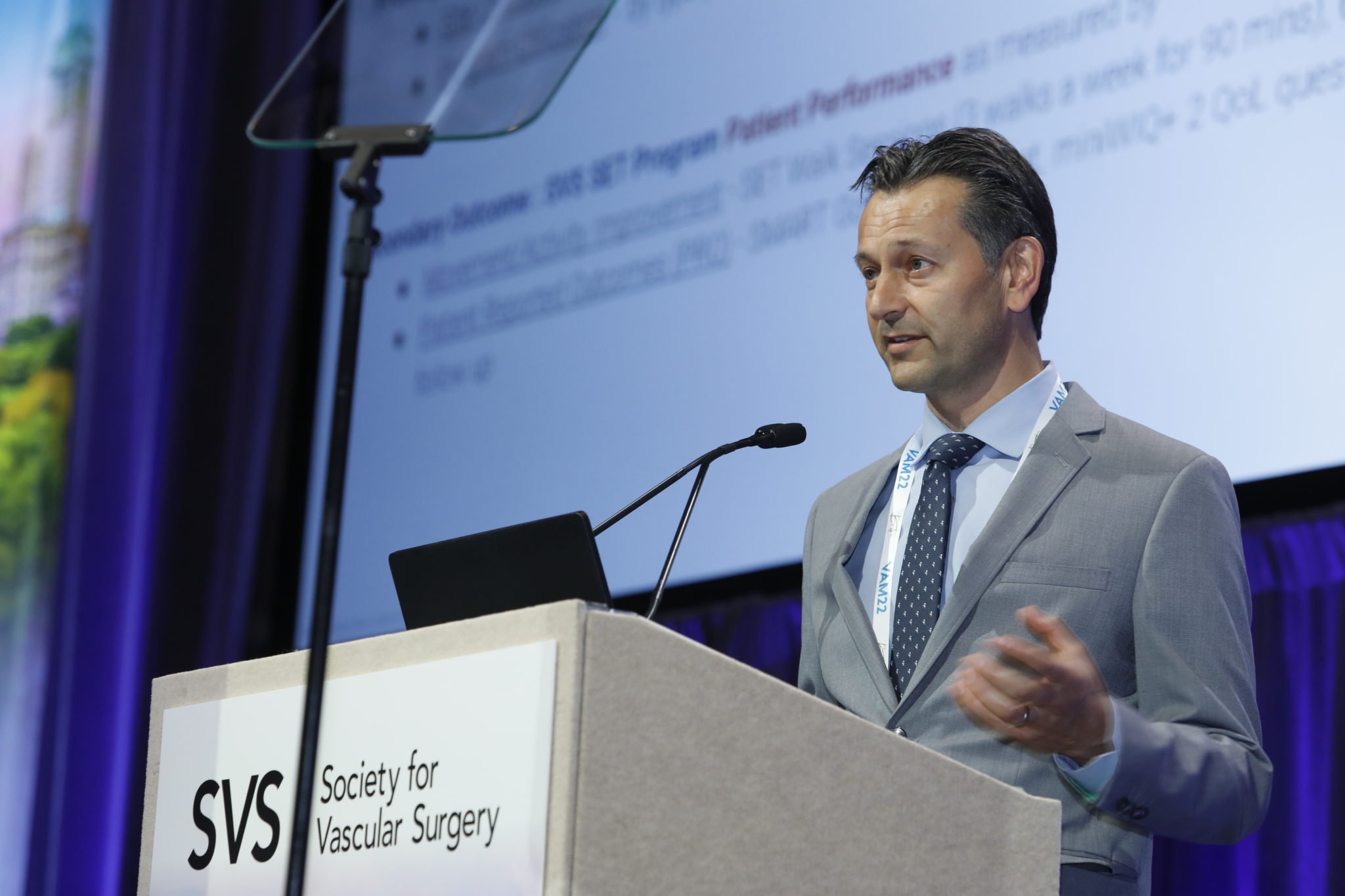
A mobile phone-administered, home-based exercise therapy program for patients with intermittent claudication (IC) incorporating cognitive behavior therapy (CBT) was found to be feasible, with 78% of participants completing the whole course, the 2022 Vascular Annual Meeting (VAM) heard. The findings were part of a study delivered by Oliver Aalami, MD, from the Stanford University School…
-
Eagleton and Shutze: SVS members elect new vice president, secretary
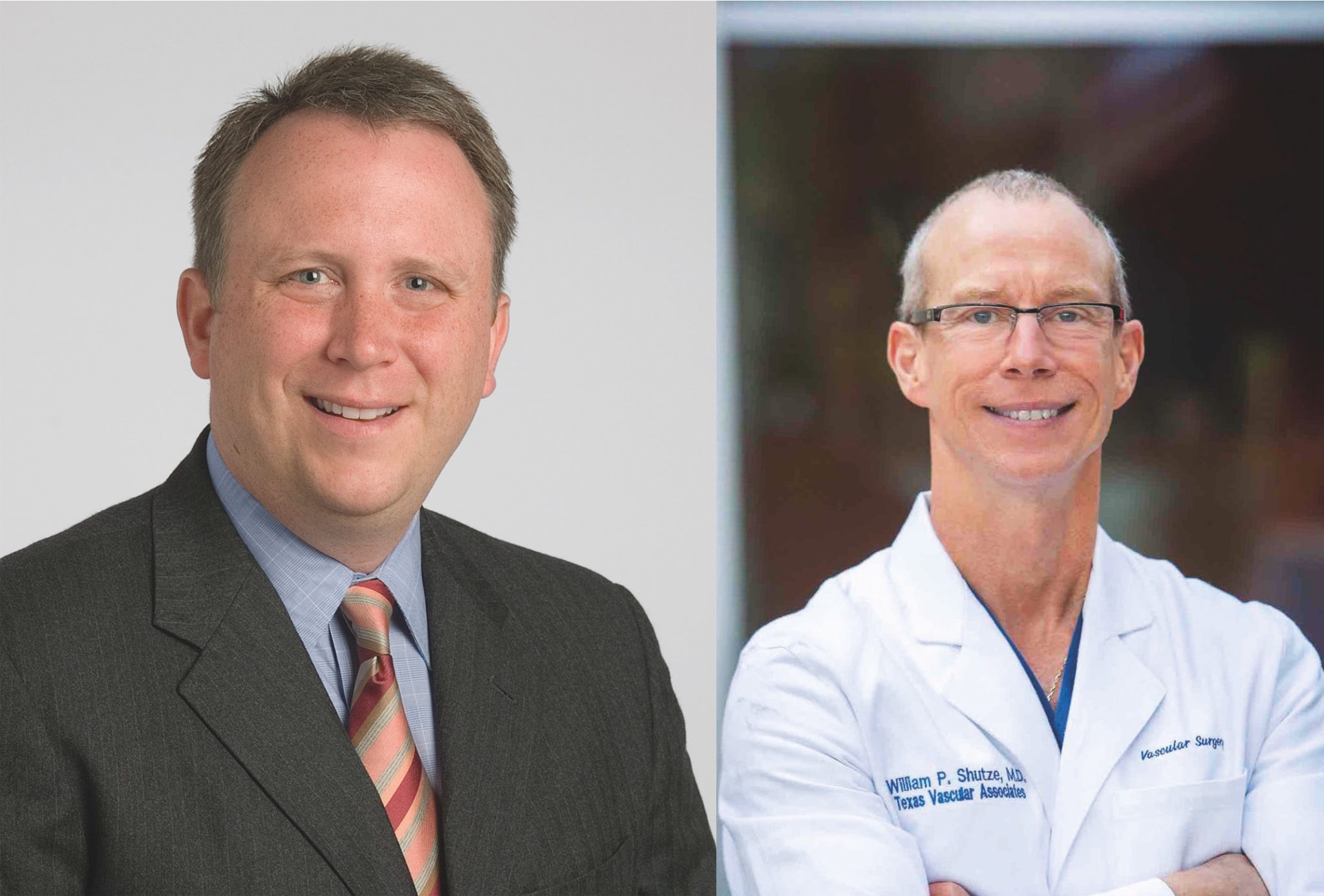
The Society for Vascular Surgery (SVS) announced that Matthew Eagleton, MD, has been elected as the organization’s next vice president. The news was revealed during the SVS Annual Business Meeting, which took place on Saturday, June 18, in Boston during the 2022 Vascular Annual Meeting (VAM). William Shutze, MD, was also unveiled as the next…
-
Getting the most out of meetings like VAM
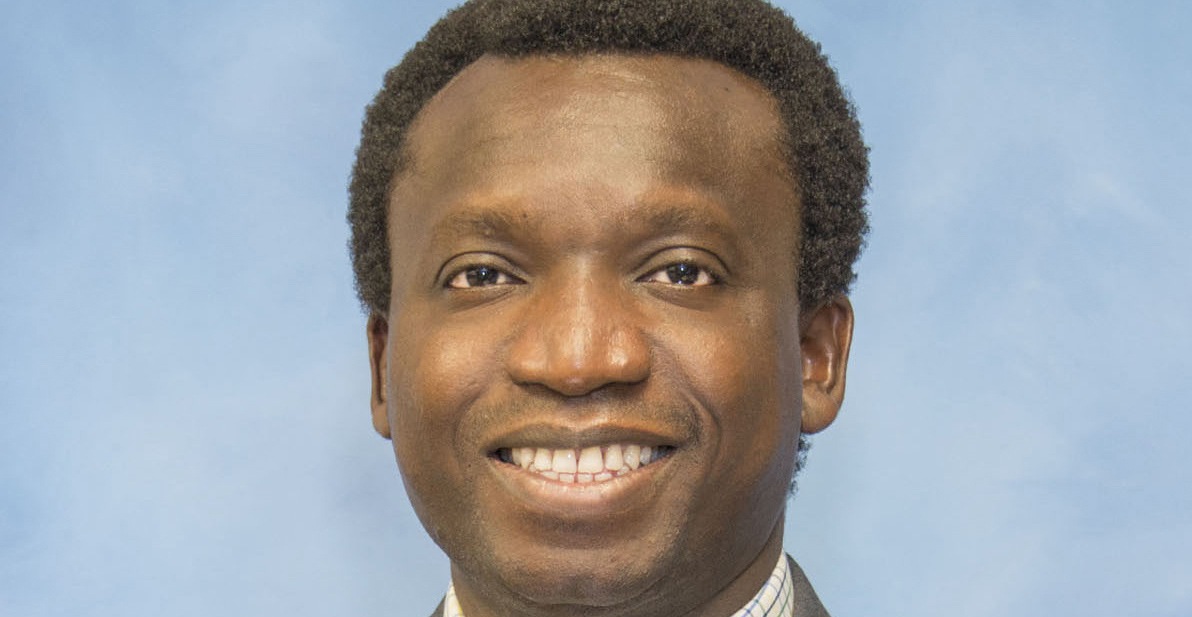
It’s Friday at Vascular Annual Meeting (VAM) 2022 in Boston! Hopefully, many of us trainees are getting to mingle and meet leaders in the field in addition to other trainees outside of our usual orb. In his 2020 Vascular and Endovascular Surgical Society (VESS) Presidential Address, Matthew Corriere, MD, from the University of Michigan, spoke…
-
Iliac vein stenting should remain a viable treatment option for higher BMI patients
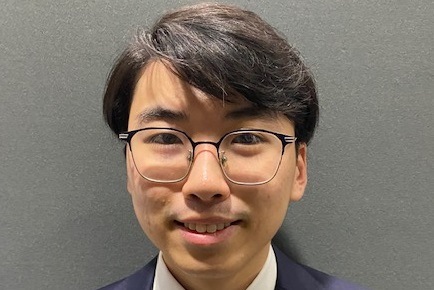
Despite greater comorbid conditions, patients with obesity benefited as much as patients with normal body mass index (BMI) from iliac vein stent placement for proximal venous outflow obstruction (PVOO) in a study from a research group in New York. Jinseo Kim, BS, undergraduate research assistant to Windsor Ting at Icahn School of Medicine at Mount…
-
Six years, much growth and multiple changes to JVS publications
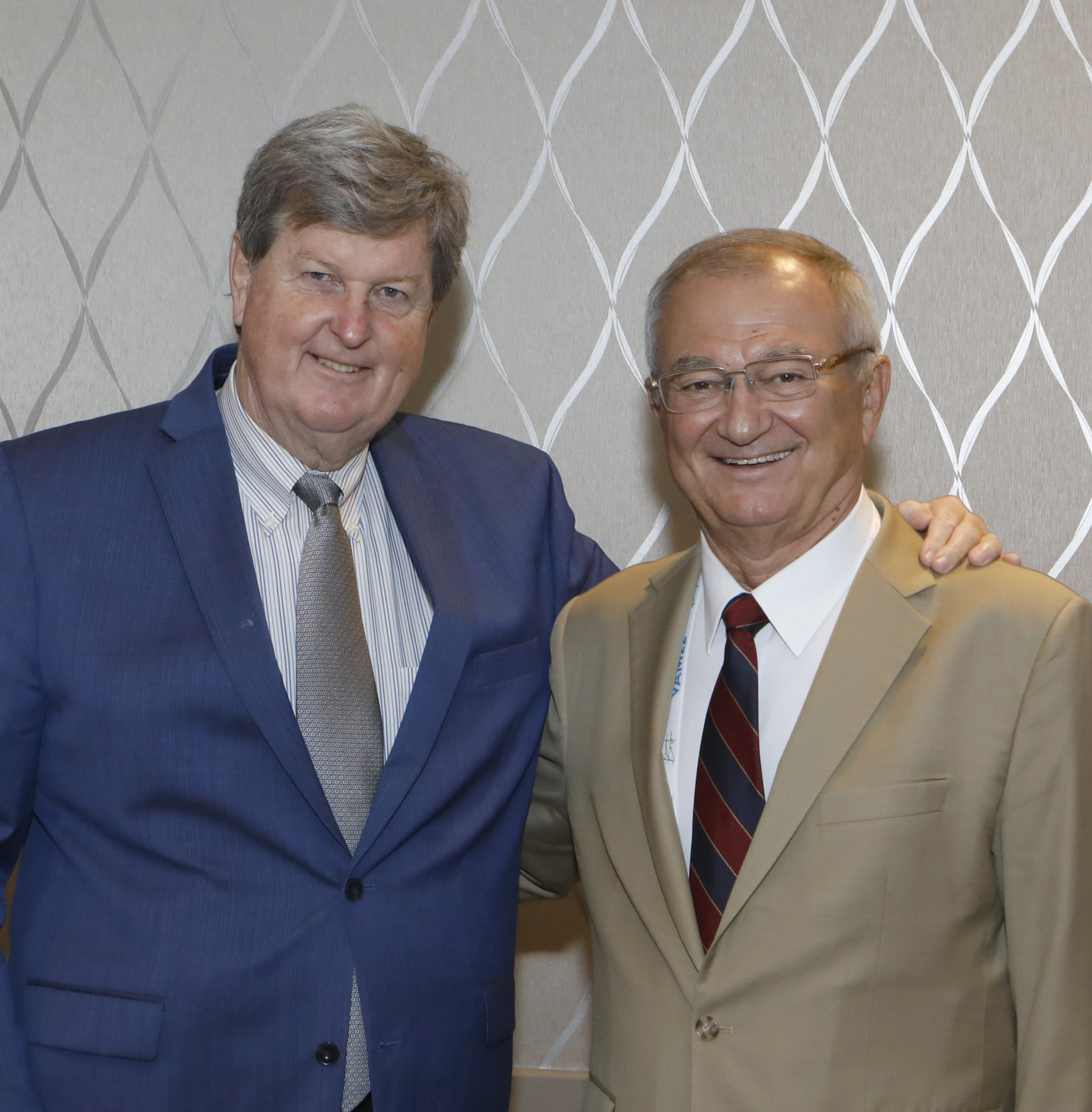
Their terms about to end, Peter Gloviczki, MD, and Peter Lawrence, MD, editor-in-chief and senior editor, respectively, of the Journal of Vascular Surgery family of publications reflect on their time at the helm and the changes they’ve seen—and implemented—along the way. JVS publications include the flagship journal, Journal of Vascular Surgery, in its 39th year…
-
Talking about women surgeons’ lives and careers
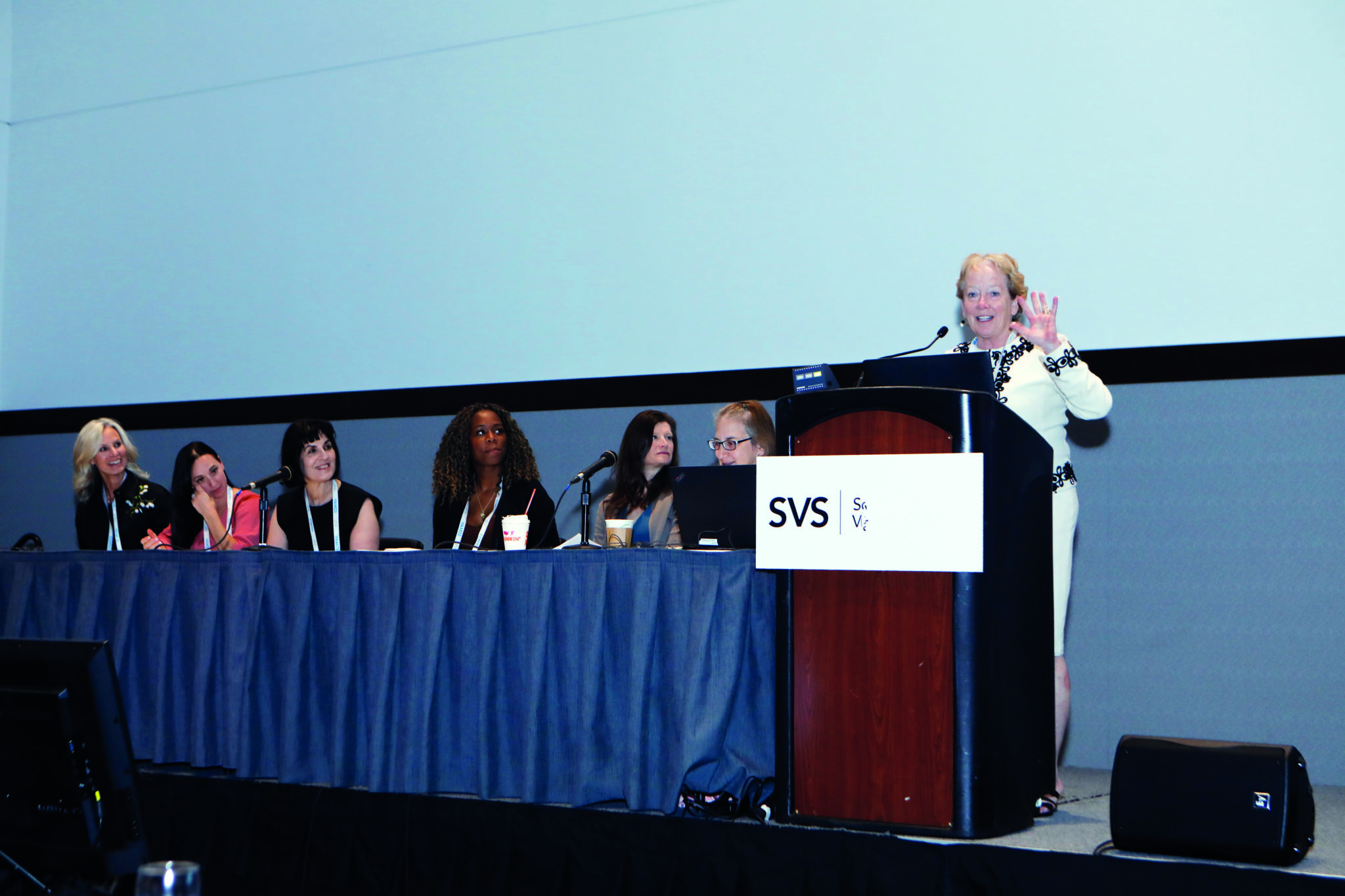
Women—and more than a few men—flocked to the inaugural Vascular Annual Meeting (VAM) education session of the Society for Vascular Surgery’s new Women’s Section yesterday. The topics of “Supporting Women Vascular Surgeons—From Recruitment through Senior Leadership” reflected the name with sessions on the needs of the youngest generation of women vascular surgeons, radiation and women,…
-
Vascular surgeons ‘have a role to play’ in transcatheter aortic valve replacement procedures
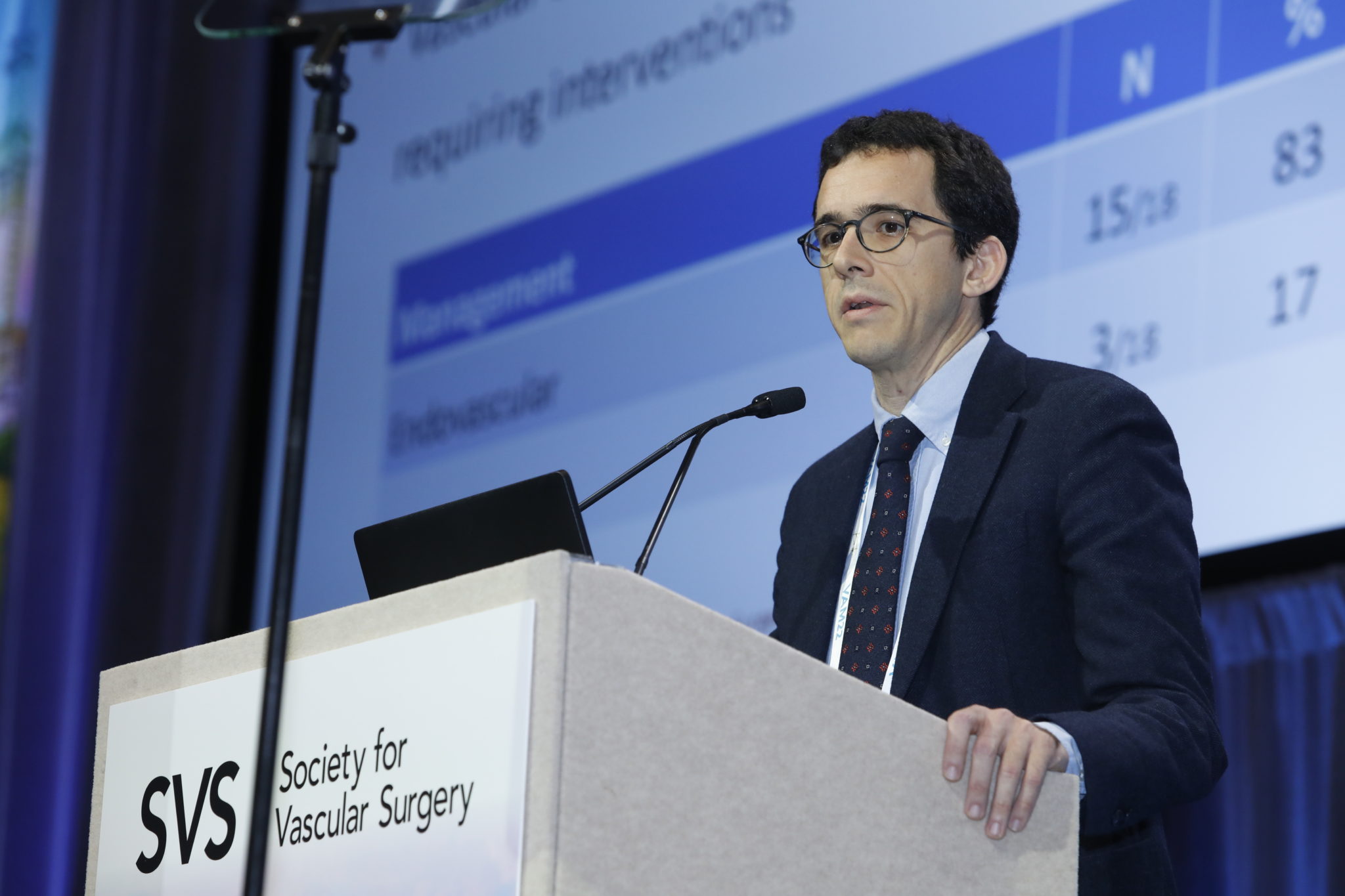
Vascular surgery assistance in transcatheter aortic valve replacement (TAVR) can facilitate safe and effective device introduction through cases involving challenging femoral or iliac access. This was the conclusion delivered by Enrico Gallitto, MD, from the University of Bologna, Bologna, Italy, during the 2022 Vascular Annual Meeting in Boston in a presentation looking at the role…
-
F/BEVAR has high technical success and low mortality in chronic post-dissection TAAA
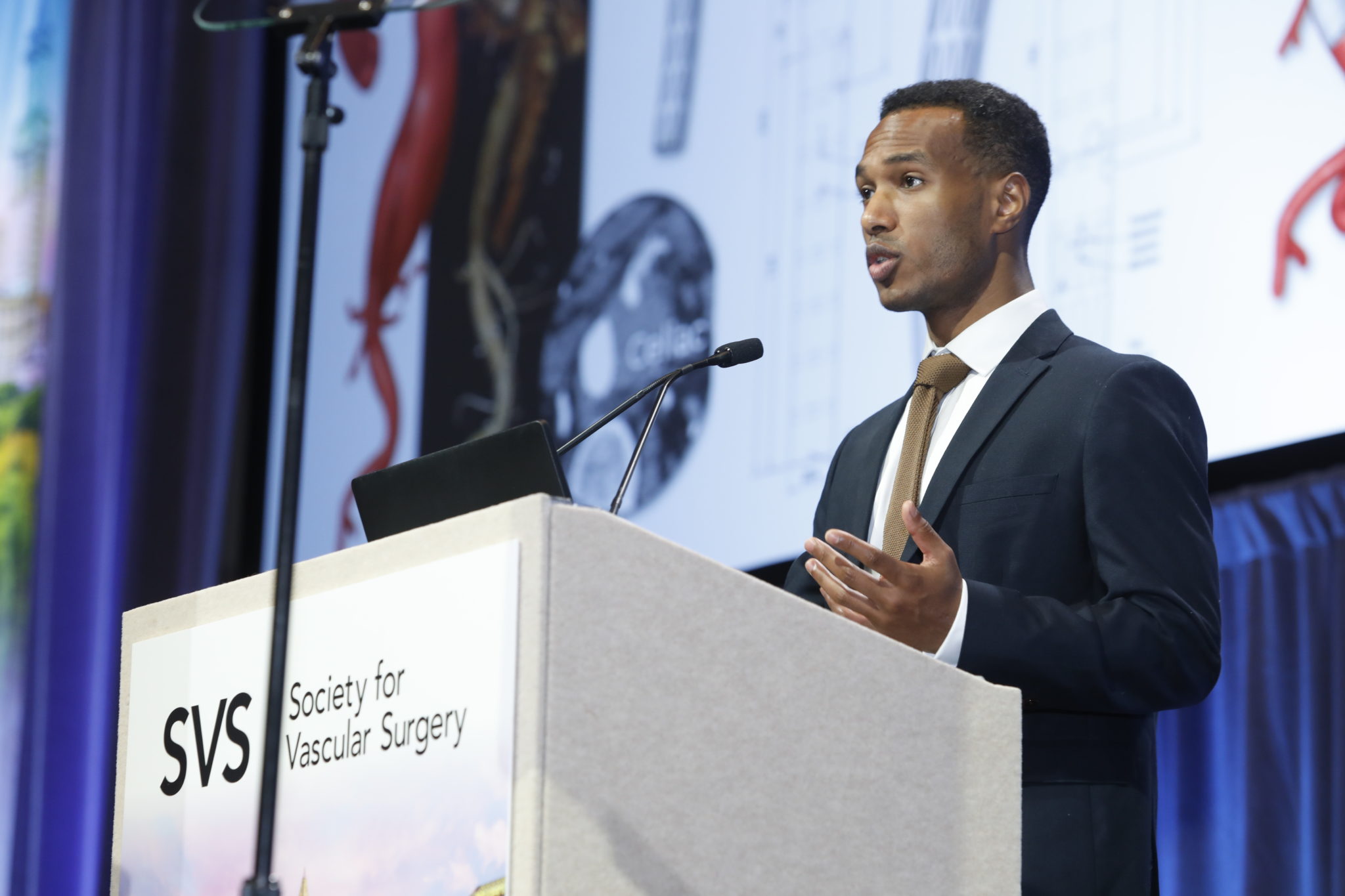
Fenestrated/branched endovascular aneurysm repair (F/BEVAR) is associated with high technical success and low mortality in patients with chronic post-dissection thoracoabdominal aortic aneurysm (PD-TAAA). This conclusion was presented by Mohamed A. Abdelhalim, MBChB, a PhD research fellow at St Thomas’ Hospital, London, England, who detailed a multicenter, transatlantic experience with F/ BEVAR for chronic PD-TAAAs during…