Brought to you by:
-
VAM 2023: Endovascular thermal septotomy for chronic post-dissection aortic aneurysm

Aidin Baghbani-Oskouei, MD, and Gustavo S. Oderich, MD, from the University of Texas Health Science Center at Houston, Texas, detail the endovascular thermal septotomy technique for chronic post-dissection thoracoabdominal aortic aneurysms (TAAAs), which featured as a video presentation at the end of the William J. von Liebig Forum yesterday at the Vascular Annual Meeting (VAM)…
-
Special invited research presentations offered at VAM
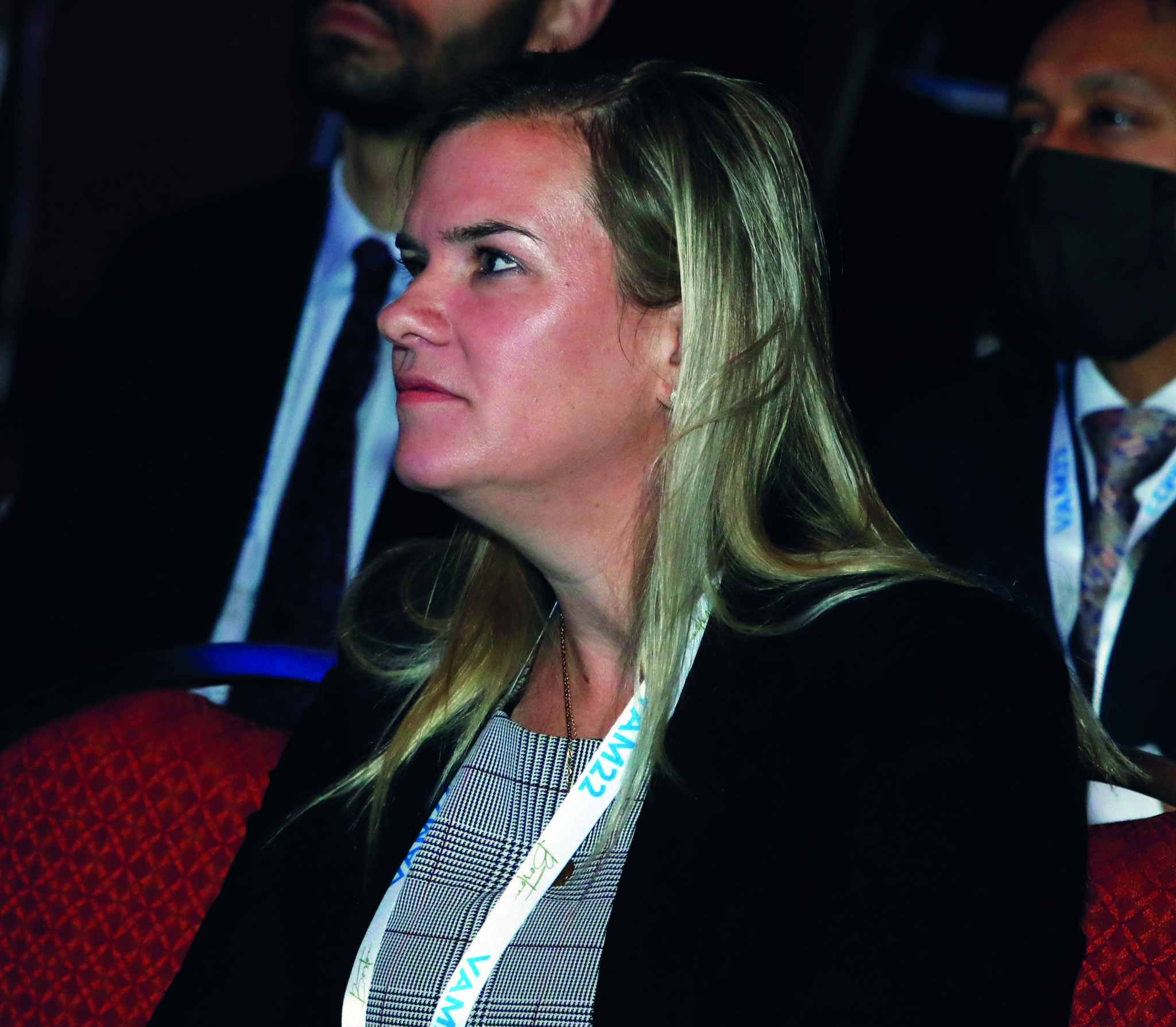
VAM traditionally includes presentations from specially invited translational researchers that are performing cutting-edge work focused on vascular disease. All are held during plenary sessions. “These presentations inform the larger VAM audience about cutting-edge translational science performed by our members and, very importantly, how that research can, will and does translate to the care of the…
-
Onco-vascular session set to offer ‘clinical pearls’ in ‘new’ area of vascular surgery
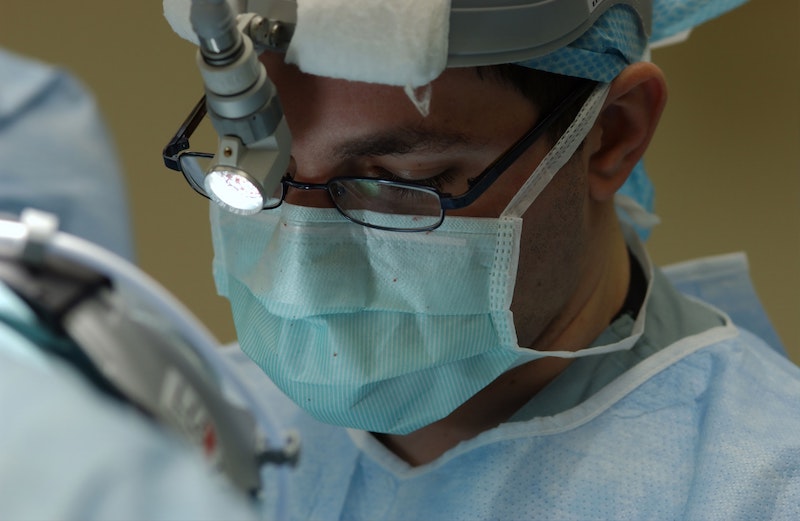
Randall DeMartino, MD, is Division Chair of Vascular and Endovascular Surgery at the Mayo Clinic in Rochester, Minnesota, and a co-moderator of a session dedicated to onco-vascular surgery, taking place today from 3:30–5 p.m. in National Harbor 12/13. A series of presentations will feature case reviews as well as discussion of how to achieve the…
-
Educational opportunities abound at VAM 2023
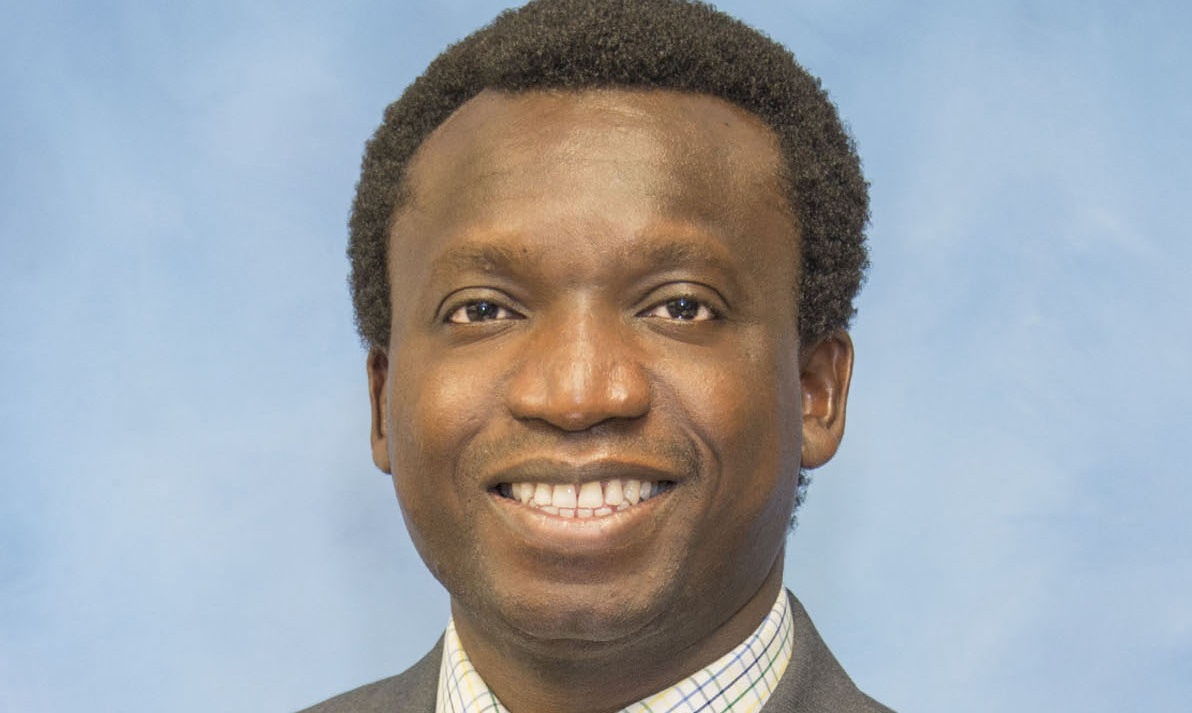
Ok, so day one has lived up to the hype. From hearing about amazing research endeavors to listening to lively discussions on the latest treatment options for vascular patients, it has been very invigorating. Day two is equally packed. One of the advantages of an internationally recognized meeting, such as VAM, is the opportunity to…
-
Analyses offer a deeper dive into BEST-CLI trial data
As the vascular community continues to digest key insights from the BEST-CLI randomized controlled trial (RCT), attendees of Plenary Session 3 at the Vascular Annual Meeting (VAM) 2023, taking place 8:00–9:30a.m. Thursday morning in Potomac A/B, will be offered a deep dive into the trial’s vast dataset in the form of two new secondary analyses.…
-
VAM 2023: SVS descends on Capitol Hill
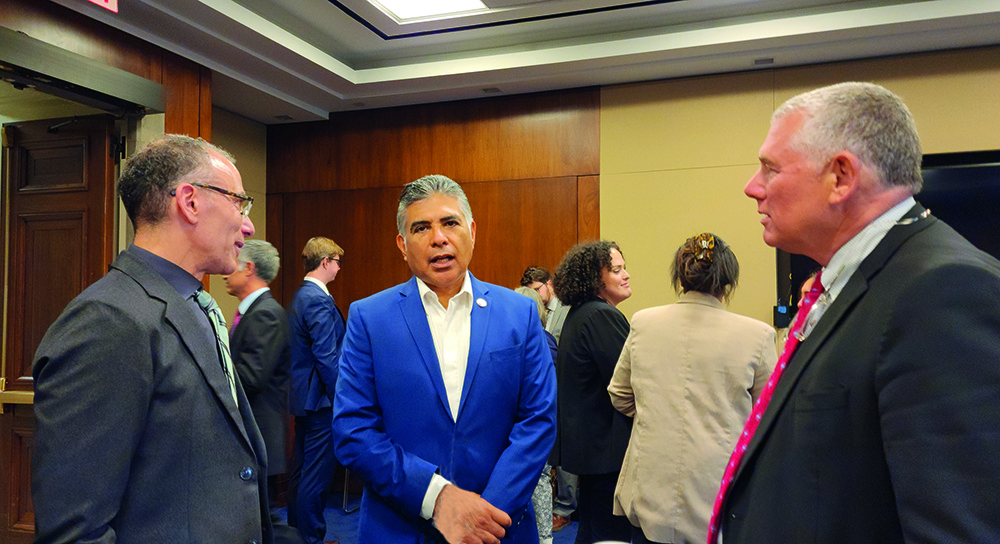
Nearly 50 SVS members took advantage of VAM’s location near Washington, D.C., visiting Capitol Hill Tuesday to discuss legislation related to vascular surgery with members of Congress and their staffs. The meetings were constituent-driven, with members talking with elected officials (and their staffs) from their home districts/states. “The primary purpose of our trip to the…
-
Sex-related disparities in lower-extremity revascularization outcomes brought into focus
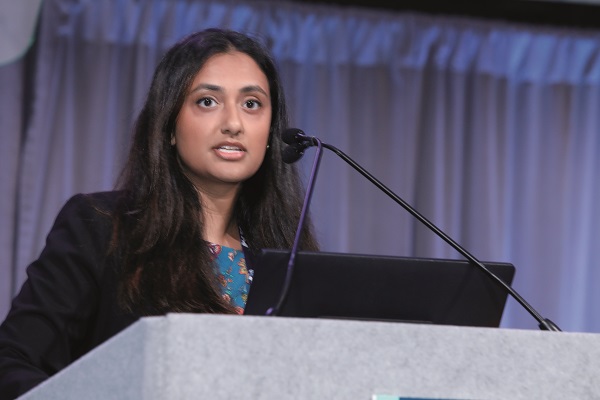
Women are more likely to undergo reintervention after lower extremity revascularization for peripheral arterial disease (PAD) compared to male patients with similar limb salvage and survival outcomes despite having fewer comorbidities, findings of a retrospective analysis presented during the William J. von Liebig Forum at VAM 2023. Keyuree K. Satam, MD, an incoming vascular surgery…
-
Endothelial cell granted superhero status in invited research presentation
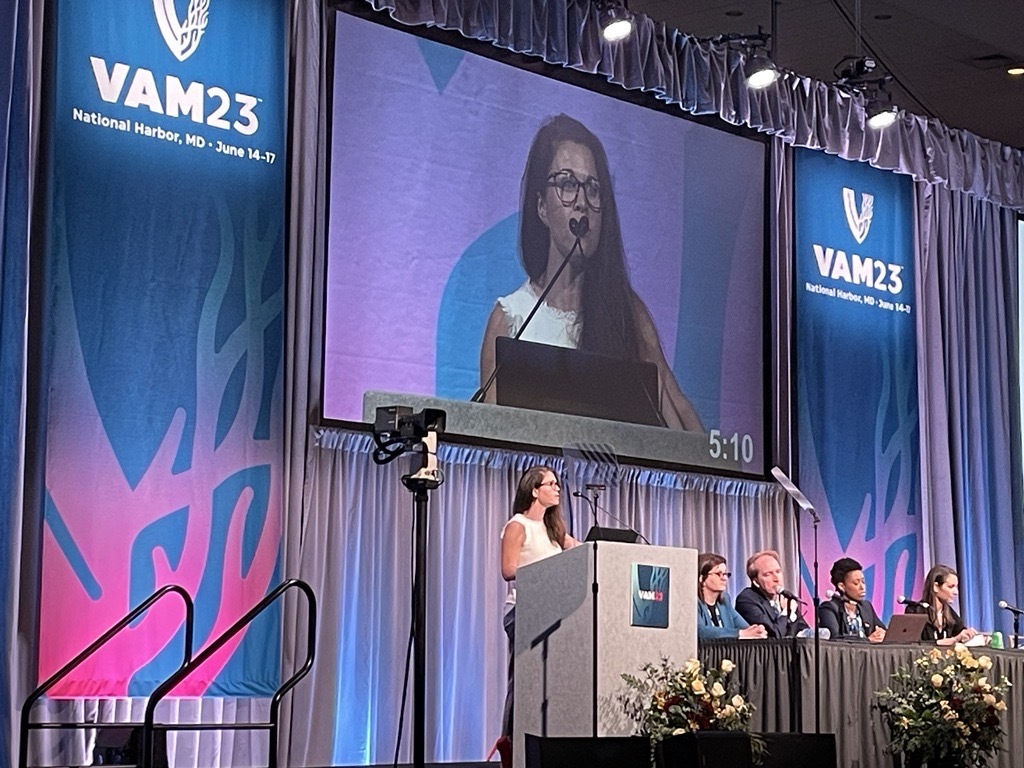
“The endothelial cell is the superhero of the vascular system,” Kathryn L. Howe, MD, PhD, FRSCS, a vascular surgeon-scientist at the University of Toronto in Toronto, Canada, argued during an invited research presentation in Plenary Session 2 at VAM 2023. Howe detailed that the endothelial cell acts as a “gateway to health and disease,” forming…
-
Significant life and limb gains for claudicants who stop smoking before lower-extremity bypass
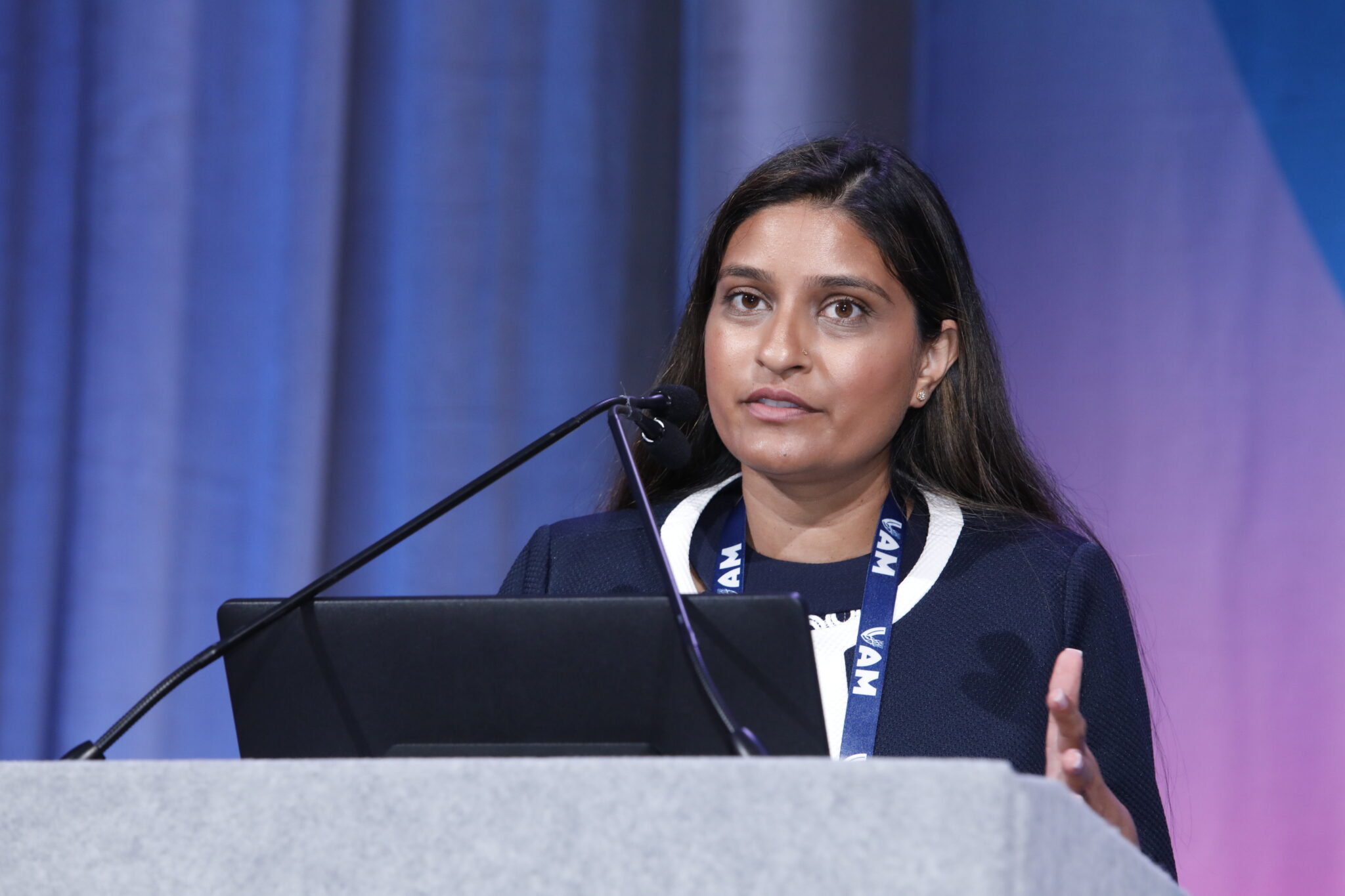
Long-term overall survival (OS) and amputation-free survival (AFS) are outcomes that rebound in claudicants who quit smoking prior to elective surgery—and they mirror those of never smokers. But patients who don’t kick the habit have significantly worse outcomes, lighting up the question: should stubbing out for good be “a requirement” before intervention? That was the…
-
Safety benefits mean TCAR may be preferable approach in radiation-induced carotid stenosis
A study set to be presented at VAM (14–17 June, National Harbor, USA) has found that the long-term outcomes of transcarotid artery revascularization (TCAR) are “not significantly affected” by prior head and neck radiation. Owing to substantially increased risks of mortality with transfemoral carotid artery stenting (CAS), as well as both stroke and mortality with…