Brought to you by:

Transatlantic multicenter experience highlights effectiveness of total endovascular aortic repair with F/BEVAR but 5% risk of major stroke
Staged total endovascular aortic repair (TEAR) utilizing arch branched and thoracoabdominal fenestrated and branched endografts is effective, but identified predictors of morbidity and mortality—including stroke—highlight the importance of individualized risk assessment to optimize outcomes. These are some of the key…
Acellular tissue engineered vessel outperforms AVF in high-risk hemodialysis patients

Results from the CLN-PRO-V007 randomized controlled trial of Humacyte’s acellular tissue engineered vessel (ATEV) are set to be shared today during VAM 2025 Plenary 6 (10–11 a.m., First Floor, Great Hall A), showing several clinical benefits when compared to arteriovenous…
Greenberg Lecture encourages ‘move beyond’ binary aortic disease classification

Sherene Shalhub, MD, set out a new biologically informed framework that “captures the diverse spectrum of arterial fragility and repair outcomes across inherited and acquired aortic disease” during today’s Roy Greenberg Distinguished Lecture on Innovation at VAM 2025. Shalhub, chief…
Impact report finds no major change in balance between CAS and CEA following Medicare expansion
An evaluation of trends in the utilization of carotid artery stenting (CAS) versus carotid endarterectomy (CEA) has found there to be “no major change” to tip the balance following the 2023 US Centers for Medicare and Medicaid Services (CMS) expansion…
Transcatheter arterialization of the deep veins: Comparative analysis probes whether emerging modality is worth pursuing
“We’re living in a new world order” when it comes to “no-option” chronic limb-threatening ischemia (CLTI) patients, says Anahita Dua, MD. In recent years, into this arena has stepped transcatheter arterialization of the deep veins (TADV), raising hopes of reducing…
Long-term VQI-VISION analysis sheds light on PVI versus bypass in aortoiliac occlusive disease
Today’s Plenary Session 4—Hosted in Great Hall A, First Floor from 10:45 a.m.–12 p.m.—will feature a presentation of five-year findings from the VQI-VISION database indicating that aortobifemoral bypass (ABF) remains a more durable long-term treatment option compared to endovascular intervention…
Drilling into controversies in field of asymptomatic severe carotid stenosis management
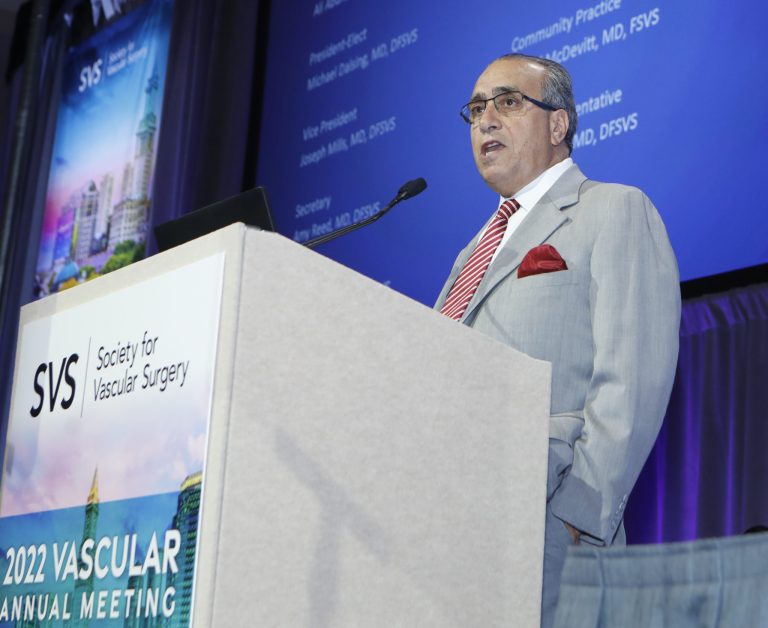
Some of the enduring controversies in the management of asymptomatic severe carotid stenosis will underpin an educational session set to take place today. The session tackles debate around the deployment of carotid revascularization strategies in both standard- and high-risk patient…
Speaking in code: How a decline in Medicare reimbursement affects vascular care
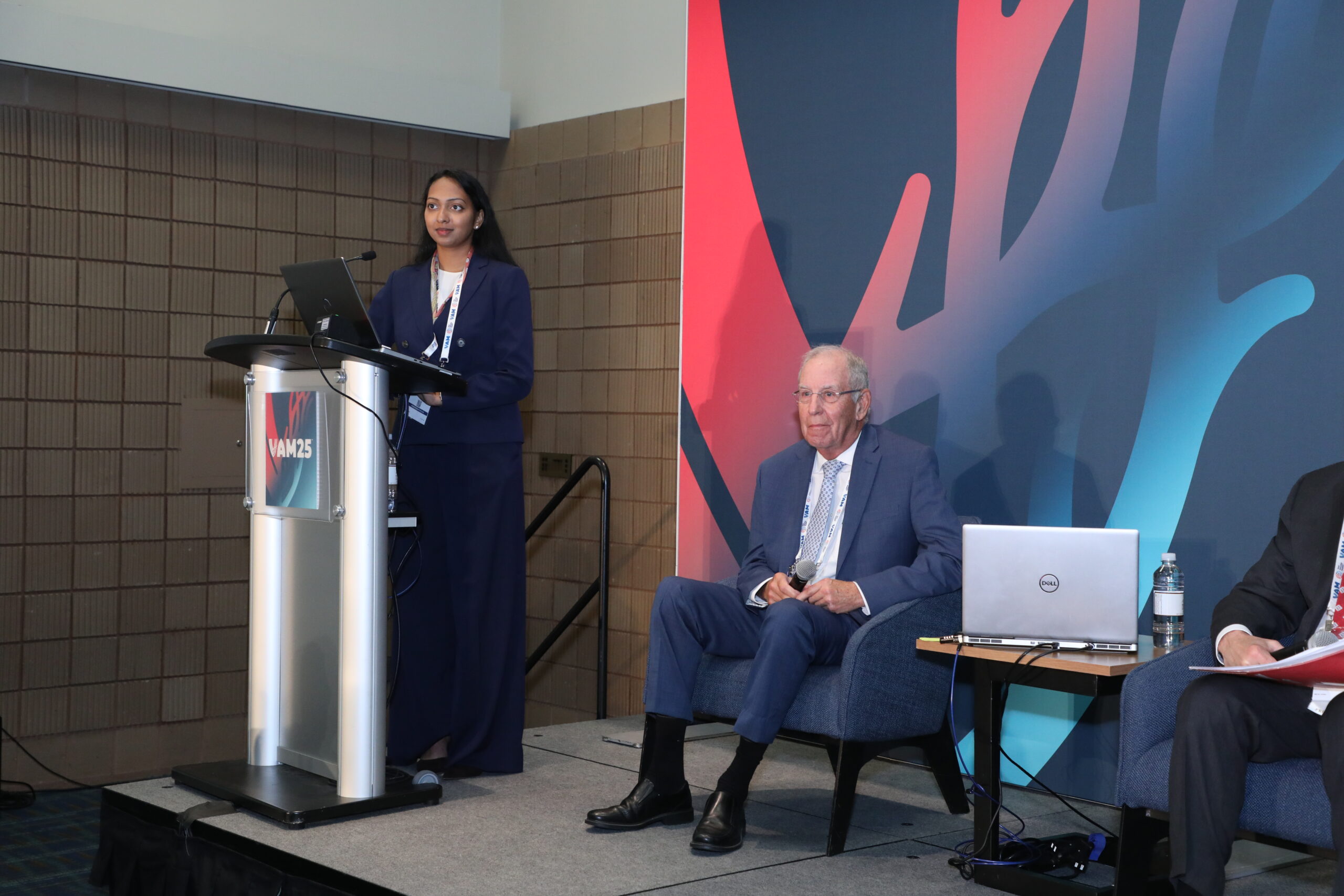
Concerns were raised yesterday’s Plenary Session 2 over the recent decline in Medicare reimbursement at a national level. Querying current figures, speakers revealed discrepancies which highlight the importance of accurate reporting to ensure sustainable provision for the future of vascular…
One-year TAMBE data highlight low mortality, importance of renal branch assessment
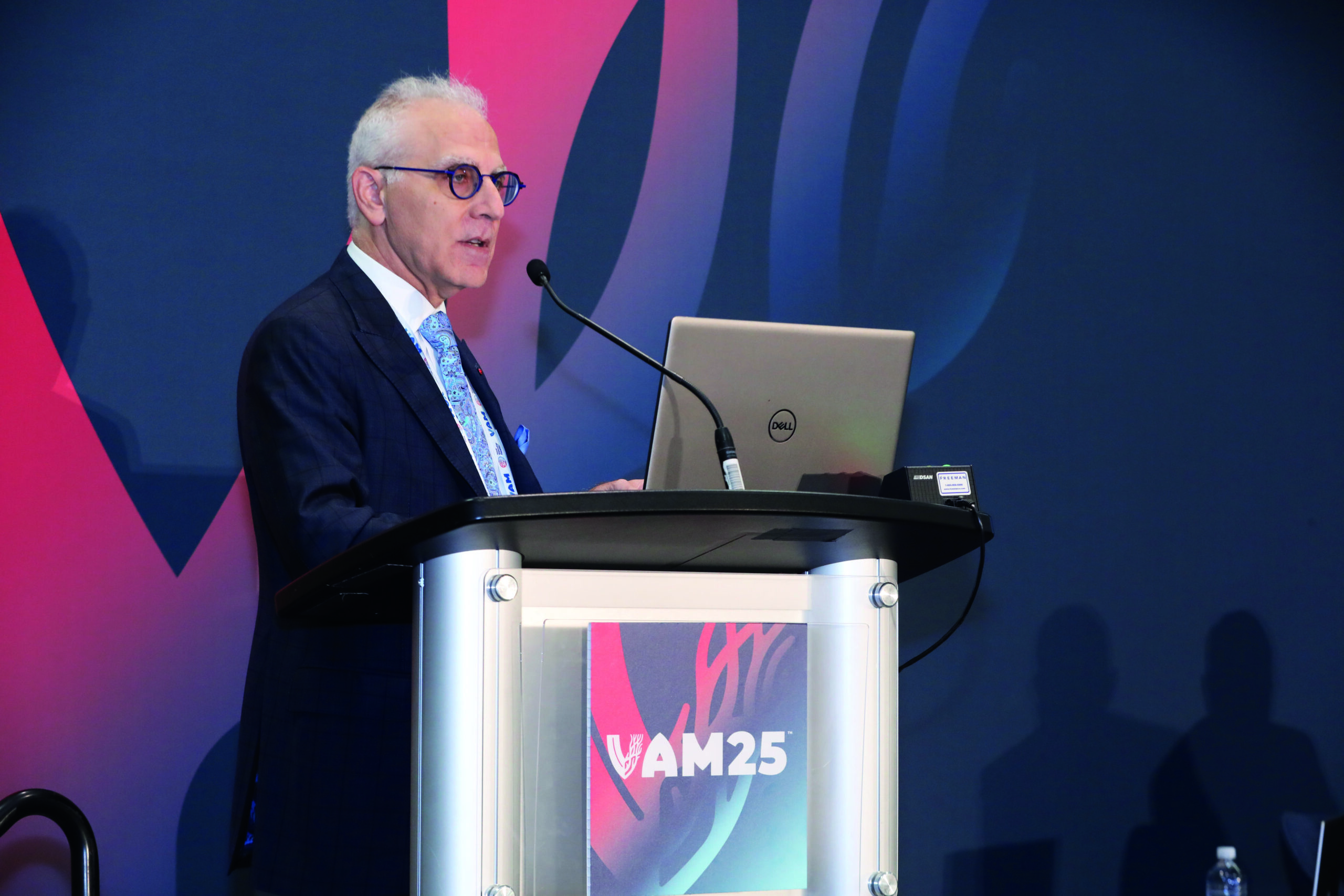
The four-branch Gore Excluder thoracoabdominal branch endoprosthesis (TAMBE) device demonstrated low mortality at one year with renal artery occlusion being the predominant device-related event associated with small renal arteries and pararenal aneurysms. So concluded Mark A. Farber, MD, presenting the…
No power, no problem! VAM 2025 pivots as early-morning power outage delays meeting opening
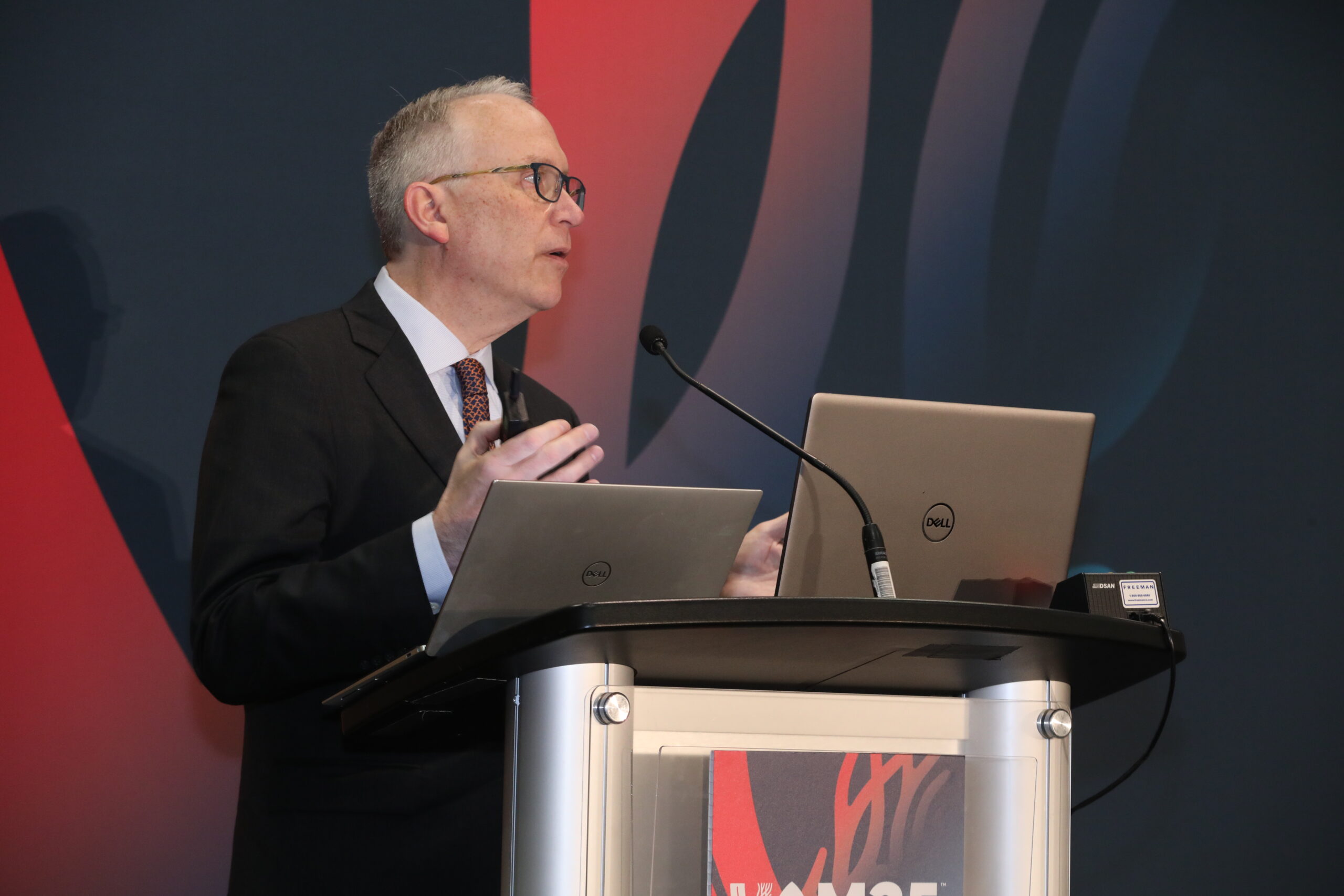
The vascular surgery world is used to pivoting on a dime. So it was as VAM 2025 was about to commence yesterday morning, and power outage problems led to a delayed start to this year’s SVS annual meeting. “We talk…