Brought to you by:

Increased experience with off-the-shelf TAAA endograft sees reduction in complications but no effect on mortality
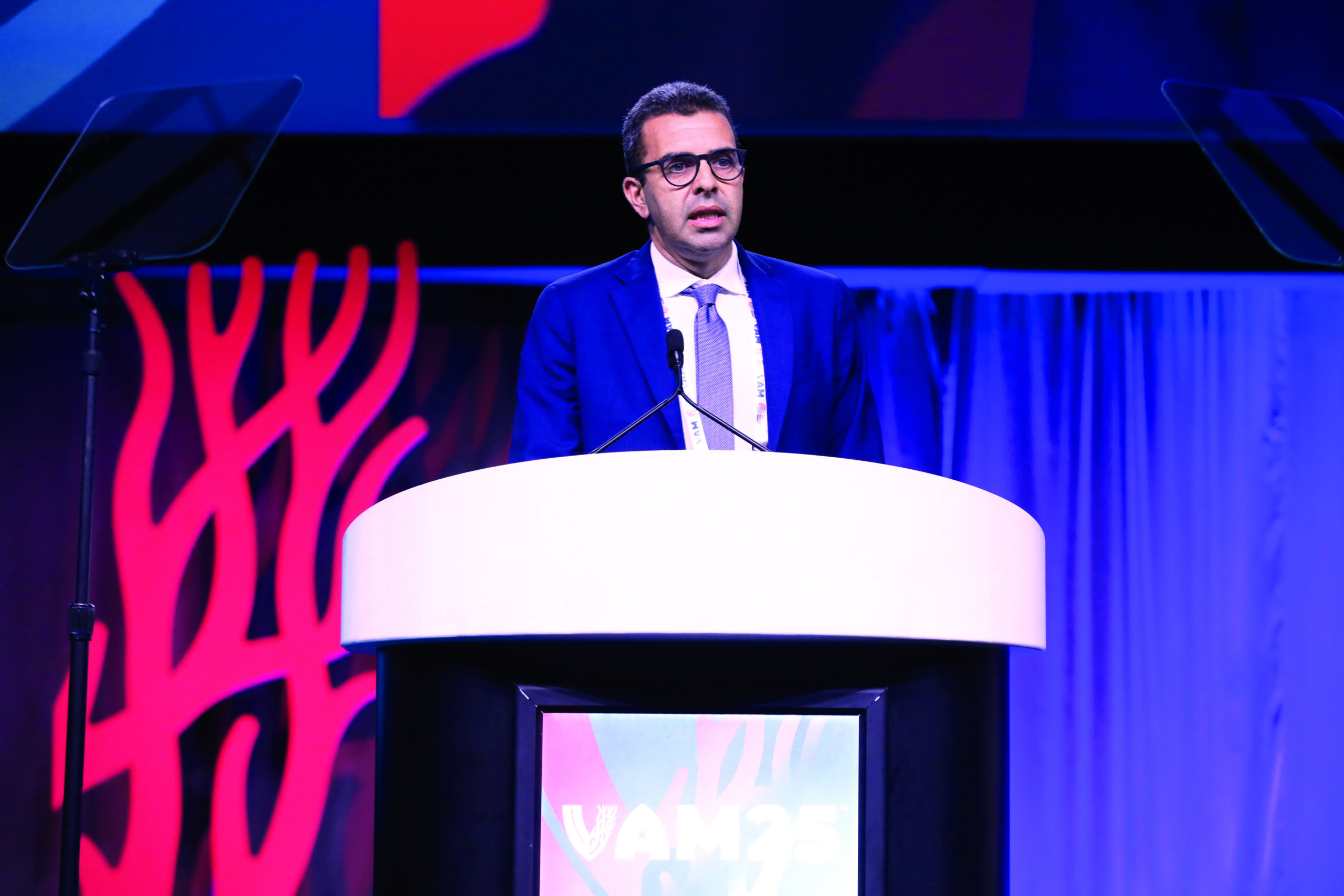
Michele Piazza, MD, informed attendees of the 2025 Vascular Annual Meeting (VAM) that increased experience with the E-nside (Artivion) off-the-shelf preloaded inner branch endograft for branched endovascular aneurysm repair (BEVAR) leads to a “significant” reduction in intraprocedural complications, but does not…
Penumbra’s STORM-PE randomized trial completes enrollment

Penumbra has announced the completion of enrollment in the STORM-PE clinical trial. The pivotal, prospective, multicenter randomized controlled trial enrolled 100 patients to evaluate computer assisted vacuum thrombectomy (CAVT) using Penumbra’s Lightning Flash plus anticoagulation versus anticoagulation alone for the treatment…
Aventus thrombectomy system gains FDA clearance for PE treatment
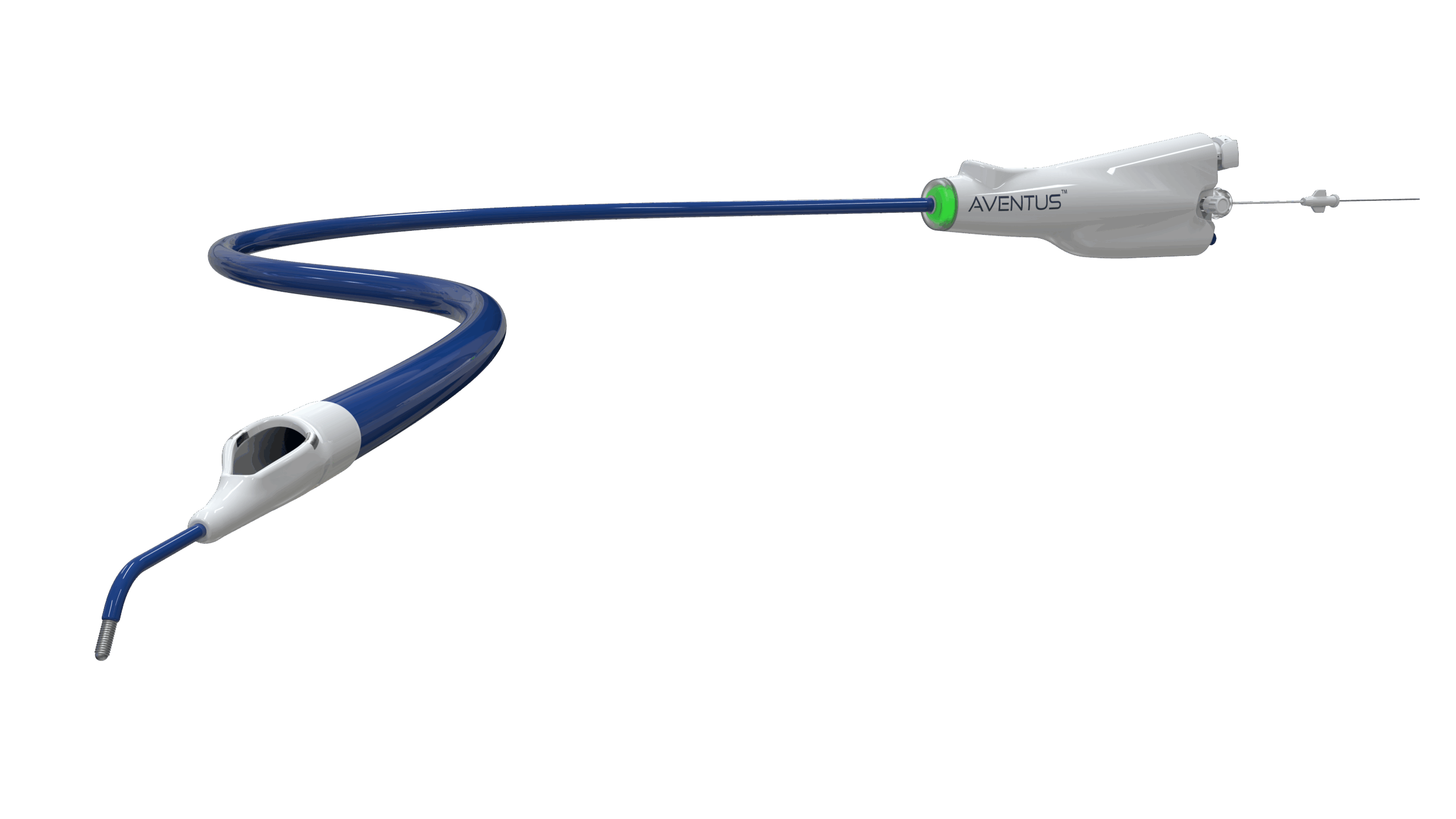
Inquis Medical has announced that its Aventus thrombectomy system has received 510(k) clearance from the US Food and Drug Administration (FDA) for an expanded indication to treat pulmonary embolism (PE). The Aventus System is a next-generation mechanical thrombectomy platform developed…
New THRIVE data on CAVT technology for acute limb ischemia show ‘fewer complications, hospital resource use’
Recent THRIVE study data show that Penumbra’s computer-assisted vacuum thrombectomy (CAVT) technology not only has the potential to improve outcomes for lower extremity acute limb ischemia (LE-ALI) patients, but may also reduce healthcare resource use, thus potentially lowering overall costs…
SVS announces election results for new leadership
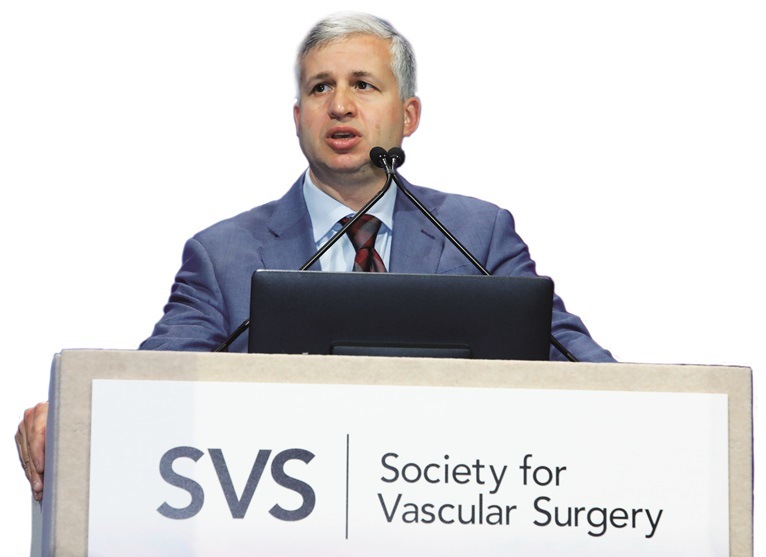
The Society for Vascular Surgery (SVS) has elected Andres Schanzer, MD, as the incoming vice president and Malachi G. Sheahan III, MD, as the new secretary, revealed during Friday night’s Annual Business Meeting, as part of the 2025 Vascular Annual…
Two-year data show continued clinical improvement with VenoValve
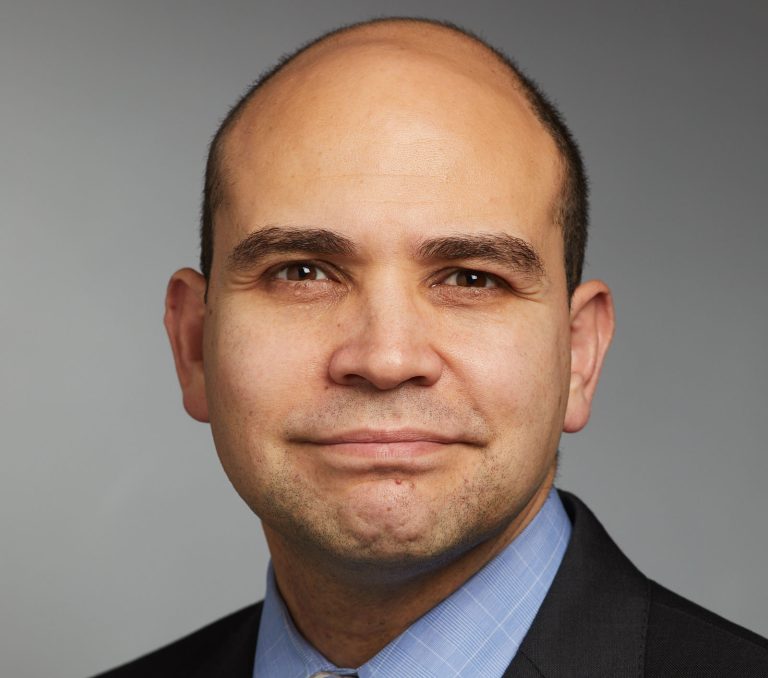
Implantation of the VenoValve (enVVeno Medical) continues to promote stabilization of symptoms in patients with deep venous reflux at two-year follow-up. This is the headline finding of data shared yesterday during Plenary Session 6 at VAM 2025. In the abstract…
The people and devices that put ‘the vascular in vascular’
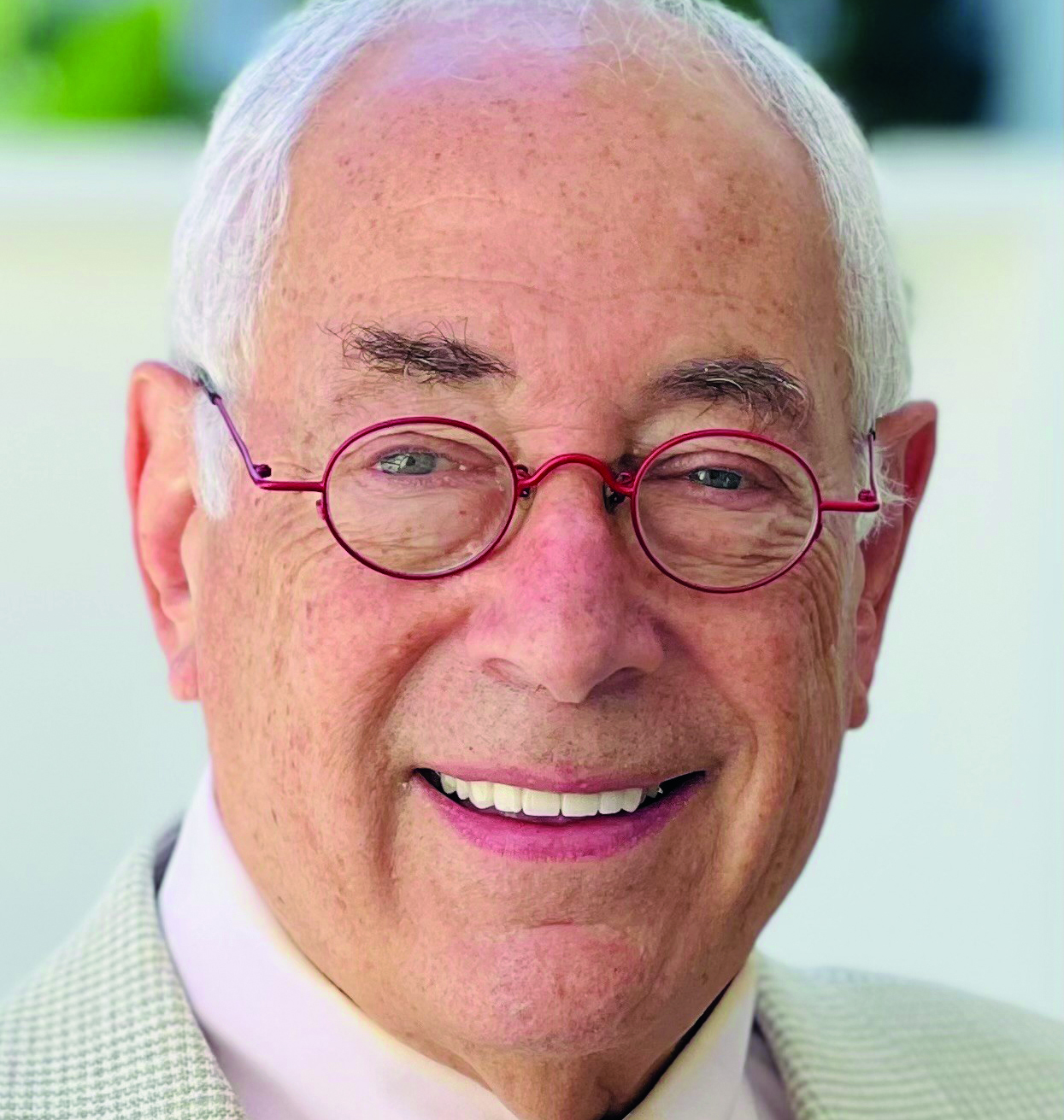
The people, discoveries, innovations and events that brought the vascular surgery profession to where it is today will form the subject matter for this year’s John Homans Lecture—“Who put the vascular in vascular surgery?”—at VAM 2025. Jerry Goldstone, MD, an…
International Chapter highlights pressing need to document PAD and CLTI prevalence in South Asia

There is an urgent need for epidemiological studies to map out the prevalence of chronic limb-threatening ischemia (CLTI)—and peripheral arterial disease (PAD) in general—in South Asia, attendees of the International Chapter Education Session at VAM 2025 heard yesterday morning. That…
Learn from other fields to enhance your practice, vascular surgeon innovators told
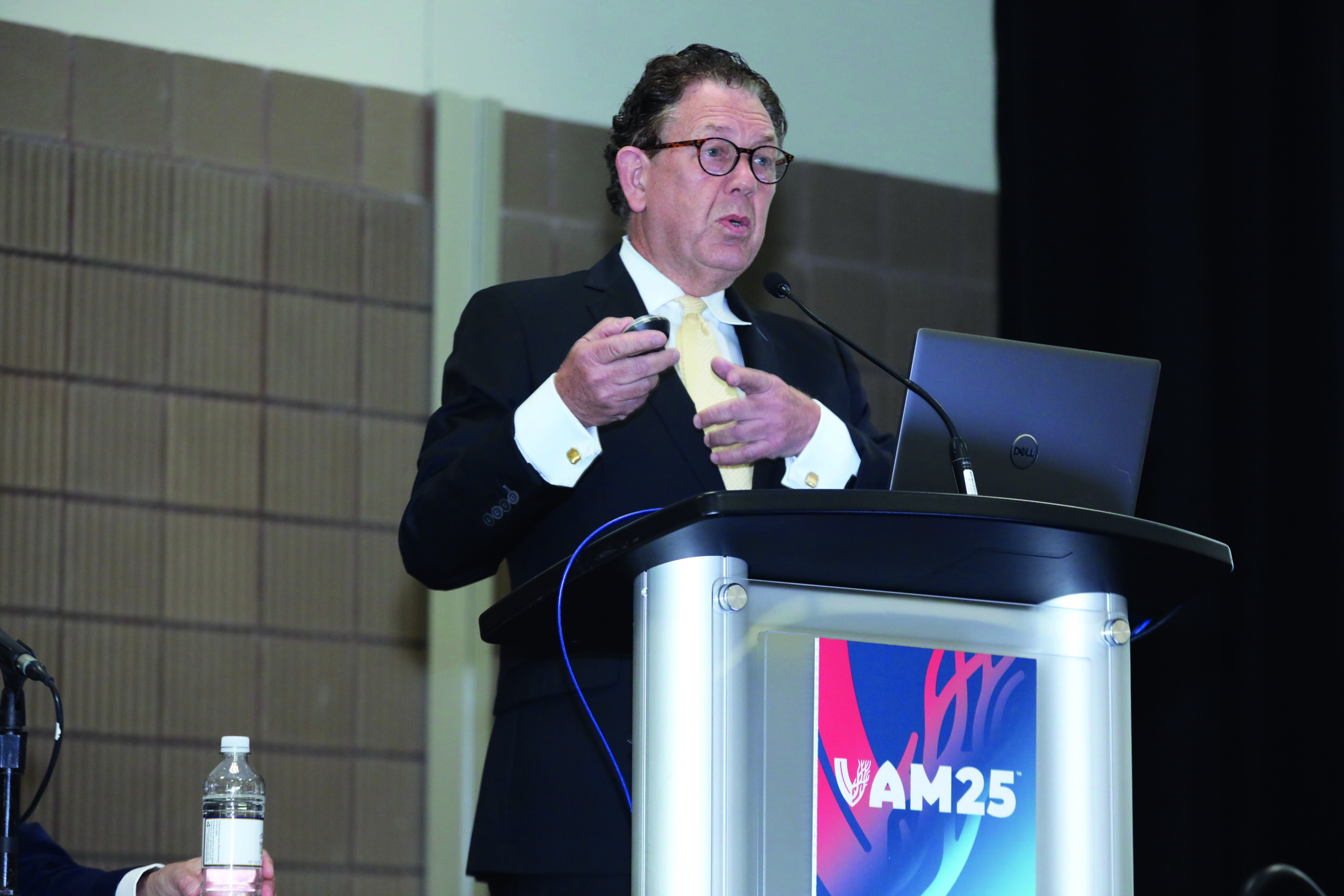
“A lot of solutions to your problems exist in somebody else’s operating room, or somebody else’s cath lab, but you never actually go there.” These were the words of Alan B. Lumsden, MD, of the Houston Methodist Hospital in Houston,…
SVS president will stake ‘reclaiming center’ in VAM 2025 address
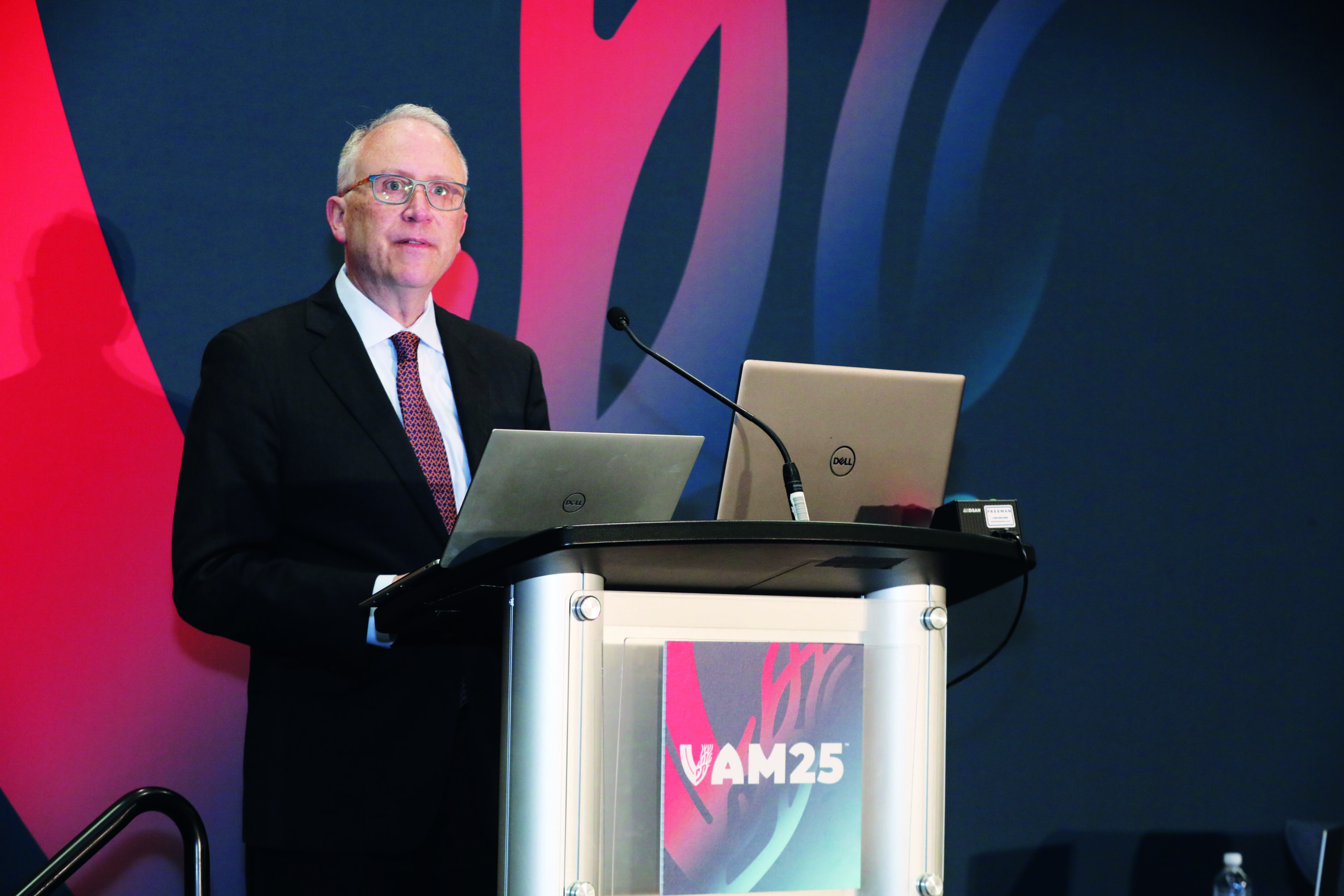
One of the singular highlights of VAM 2025—the presidential introduction and address—will take place this morning from 11 a.m.–12 p.m. on Morial CC’s First Floor (Great Hall A), with SVS President Matthew Eagleton, MD, centering his focus on the Society’s…