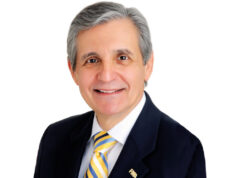
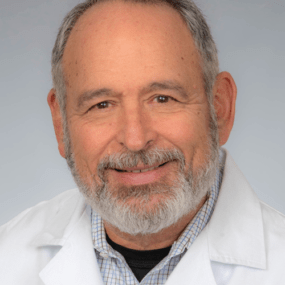
Christopher J. White, MD, responds to a recent editorial by Malachi Sheahan III, MD, that took a critical look at the decision by the Centers for Medicare & Medicaid Services (CMS) to expand coverage for carotid artery stenting (CAS).
I’m grateful for the opportunity extended by Dr. Sheahan to respond to his very entertaining, and acerbic commentary in “Sex, lies, and carotid stents.” While I don’t agree with much of the opinion expressed, I enjoyed reading his well-done piece. Allow me to offer some constructive criticism, correct some misstatements and clarify my rationale for supporting the recent CMS decision to reimburse for CAS on par with carotid endarterectomy (CEA).
First, in our spirited debates over optimal approaches to managing carotid artery disease, we must assume our surgical colleagues have good intentions and sincerely want to offer their patients the best opportunity for good clinical outcomes. Alas, some vascular surgeons appear to be influenced by an ulterior, self-serving motive designed to protect their “turf.” Thus, the goal of achieving the best patient outcome, the “raison d’etre” of our profession, becomes collateral damage.
In many areas of medicine, there are clinical conditions treated by multiple specialties from different training pathways and backgrounds. It is generally accepted that multispecialty teams are the best solution to turf battles, offering better perspective and more balanced patient guidance than that of individual specialties who are siloed in their views. Carotid artery disease is but one example of a condition managed by clinicians from multiple disciplines: the neurosciences (neurology and neurosurgery); radiology; surgery (general and vascular); and cardiology.
The Multispecialty Carotid Alliance (MSCA), so vilified by Dr. Sheahan, is made up of a diverse group of physicians with representation from each of these specialty groups (many of whom have held leadership positions within their various specialty societies), and along with many others supported the decision by CMS to reimburse for carotid stenting. The rationale for the MSCA’s support for carotid stenting reimbursement is detailed in a letter to CMS.1 The simple contrast of a multispecialty group (which, by the way, included vascular surgeons) supporting carotid stent reimbursement versus the single specialty of vascular surgery (represented by the SVS) in opposition is revealing. Which group would have the patient’s best interest in mind versus protecting their specialty’s turf?
The most blatant misstatement made by Dr. Sheahan was asserting a lack of training and preparation of interventional cardiologists to manage patients with carotid artery disease. In February 2023, the most recent advanced training statement on interventional cardiology was published with multiple mentions of “carotid” and “cerebrovascular” management in a very detailed and robust training document.2 This begs the question: why single out cardiologists when specialists from the neurosciences and radiology are also very much engaged in managing patients with carotid artery disease? Are their respective training programs up to par? Isn’t the best solution a multidisciplinary approach, not one dictated by a single specialty represented by the SVS?
Dr. Sheahan’s failure to discuss transcarotid artery revascularization (TCAR)—included in the CMS coverage decision for stenting—is telling. TCAR was developed and championed by vascular surgeons and is rarely if ever performed by cardiologists. Yet, Dr. Sheahan’s concern for high-quality care failed to mention the glaring gaps in evidence regarding the efficacy of TCAR versus alternative procedures. With the earliest publications of this technique dating back to 2004, there are now 20 years of experience with this procedure. Yet, as of today, no prospective randomized trials have been performed. In stark contrast, carotid stenting is one of the most studied clinical procedures of all time, with dozens of randomized trials supporting its use. Yet, vascular surgeons happily offer their patients TCAR without any comparative evidence of benefit. For shame! It appears that the occupants of vascular surgery’s “glass house” have started a rock-throwing fight.
Finally, my rationale for supporting CMS reimbursement for carotid stenting is to allow a flexible, informed and individualized approach. Of those patients with carotid artery disease likely to benefit from revascularization, some will be better served with surgery, some better treated with carotid stenting, and many who are candidates for either procedure and should be offered an informed choice.
Remember, the National Institutes of Health (NIH) has determined that there is equipoise for carotid surgery and carotid stenting. In sponsoring CREST-2, a randomized clinical trial, they adopted a parallel-arm approach comparing carotid surgery with medical therapy to medical therapy alone, and carotid stenting plus medical therapy to medical therapy alone. Patients are enrolled in this trial by investigators who discuss treatment options with the patient. The patient, with physician counsel, is allowed to choose either the surgery arm or the stent arm. Sounds like a great example of patient-centered care. I rest my case.
Thank you, Dr. Sheahan, for the opportunity to participate in this discussion.
References
- MCAS response: https://www.cms.gov/medicare-coverage-database/view/ncacal-public-comments.aspx?ncaId=311&fromTracking=Y&. 2023.
- Bass TA, Abbott JD, Mahmud E, et al. 2023 ACC/AHA/ SCAI advanced training statement on interventional cardiology (coronary, peripheral vascular, and structural heart interventions): A report of the ACC Competency Management Committee. J Am Coll Cardiol. 2023;81: 1386–1438.
Christopher J. White is the medical director of the Centers of Excellence and Service Lines at Ochsner Health in New Orleans, Louisiana.