Brought to you by:
WFVS undergoes transformation, looks for vascular ’haves‘ to better help ‘have nots‘

The World Federation of Vascular Societies (WFVS) has entered a new era of transformation, seeking to better pave the way for disparate vascular surgeons and societies to disseminate the latest science and best practices to every corner of the globe.…
OBL: Keys to success in the outpatient setting
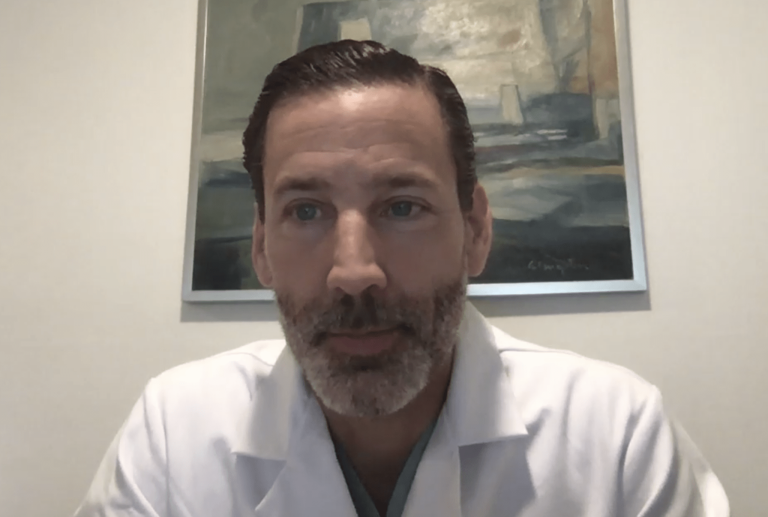
The ability to pivot in the face of changes to reimbursement while still meeting the needs of patients is a key facet of success in the office-based lab (OBL). That was among the key messages delivered by Brian DeRubertis, MD,…
AVFs contribute to higher survival of hemodialysis patients with COVID-19
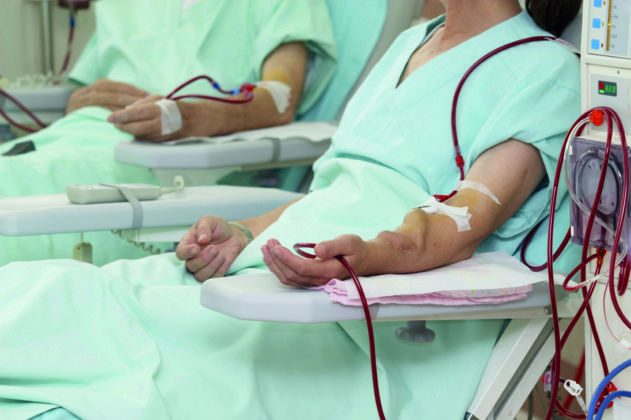
A new study, published online in The Journal of Vascular Access (JVA), suggests that arteriovenous fistulas (AVFs) contribute to higher survival of hemodialysis patients with COVID-19. Authors Ahmet Murt, MD, of Istanbul University-Cerrahpasa, Istanbul, Turkey, and colleagues urge that end-stage renal disease (ESRD) patients “should…
SVS: Progress made during year like no other
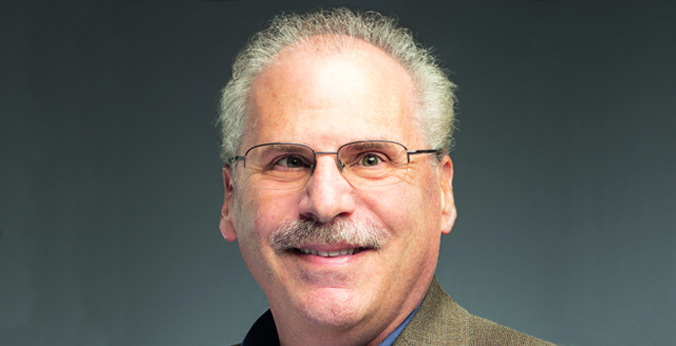
While the COVID-19 pandemic and its effects dominated 2020–21 fiscal year—including the cancellation of the live 2020 Vascular Annual Meeting (VAM)—it did not deter progress on many important initiatives. “When COVID hit, it intensified our focus on what was truly…
Study provides new insights on COVID-19 risk in patients receiving dialysis

Many individuals with kidney failure have been unable to self-isolate during the COVID-19 pandemic because they require dialysis treatments in clinics several times a week. New research that will appear in an upcoming issue of the Clinical Journal of the American…
The top 10 most popular stories from April
Our April cover story on the links between electronic health records (EHRs) and physician burnout, the continuing problem of manels (or all-male speaking panels) at vascular surgery meetings, and some of the latest details on the 2021 Vascular Annual Meeting…
Patients with AAAs who had COVID-19 may need ‘more frequent surveillance’ until better understanding of link emerges

Patients who have known abdominal aortic aneurysms (AAAs), who may have had a COVID-19 infection, might need to have more frequent or a different surveillance regimen until a better understanding of the relationship between the virus and potential symptomatic progression…
Next SVS Town Hall to discuss post-pandemic practice
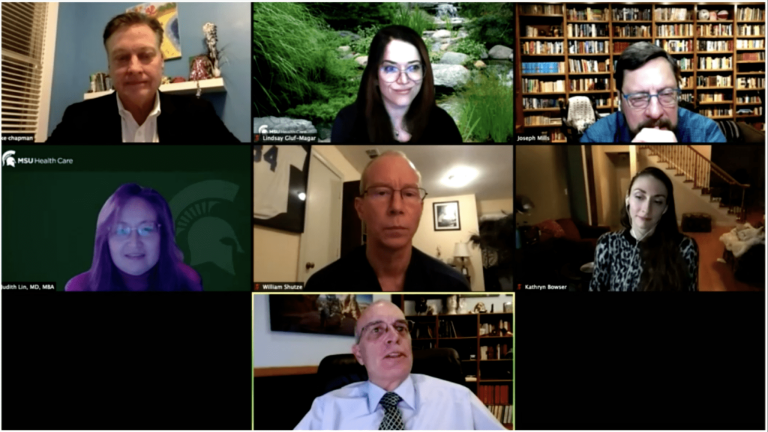
The next SVS Town Hall will deal with vascular practice’s path forward from the ravages of the COVID-19 pandemic. The event is intended to help vascular surgeons learn about the virus and its ongoing impact on vascular surgery. Taking place…
‘Latinx’: How to understand and use the term

Three members of the Society for Vascular Surgery (SVS) Diversity, Equity and Inclusion (DEI) Committee, chaired by Vincent M. Rowe, MD, explain use and understanding of the term Latinx. Have you ever heard or read the term Latinx? This piece…
Ramped-up productivity incentives and a deadly down slope

The healthcare system always conducts a “root cause” analysis when a medical error occurs. It looks for a systemic problem to address in order to prevent a recurrence. Although multidimensional, we have failed to address one of the root causes of…