Brought to you by:

Black adults treated for common arterial disease are at greater risk of amputation, death than white adults, researchers show

About 6.5 million Americans over the age of 40 suffer from peripheral arterial disease (PAD). In the U.S., Black adults in their 50s are at least twice as likely to suffer from PAD as their white counterparts, a disparity that…
Non-optimal therapy for CLTI ‘more prominent in females’

A real-world claims data analysis of nearly 200,000 patients with chronic limb-threatening ischemia (CLTI) showed that female patients were older, underwent vascular procedures less often, and received guideline-recommended drugs less frequently. However, it also highlighted that female sex was associated with better…
SCVS 2022: WIfI score does not predict successful healing after transmetatarsal amputation, study finds

A higher initial Wound, ischemia, and foot infection (WIfI) classification score at initial presentation in chronic limb-threatening ischemia (CLTI) patients who underwent a transmetatarsal amputation (TMA) was not associated with a major amputation down the road, according to a retrospective…
Diabetes: Impact of local medicolegal landscapes on costs

More litigious U.S. states did not see decreased amputation rates over those where the medicolegal environment was less adverse, according to an analysis of Medicare data exploring the association between the realities of local medical-legal landscapes and diabetes-related care costs. …
Hispanic adults with PAD access inpatient care most often via the emergency room
Hispanic adults hospitalized for treatment of symptoms of peripheral arterial disease (PAD) were more likely to access this care by going to the emergency room (ER), and they experienced longer and more expensive hospitalizations than non-Hispanic white patients with PAD,…
WIfI system helps predict revascularization benefit for diabetic patients with CLTI, study finds

A retrospective study supports the use of the Wound, ischemia, and foot infection (WIfI) classification system to predict the revascularization benefit for diabetic patients with chronic limb-threatening ischemia (CLTI). The WIfI classification system was developed to stratify the risk of major amputation at one…
VAM discussion on latest paclitaxel meta-analysis yields mix of caution, skepticism

A Vascular Annual Meeting (VAM) sponsored session on paclitaxel safety drew a mix of skeptical and cautious responses to the latest meta-analysis from interventional radiologist Konstantinos Katsanos, MD, that reported a heightened risk of major amputation after use of paclitaxel-coated balloons…
Veterans with claudication who undergo revascularization ‘significantly more likely to have major amputation than those who do not’

Patients within the Veterans Affairs Administration healthcare system who underwent an intervention for intermittent claudication (IC) were consistently at three-to-four times greater risk of undergoing subsequent amputation compared to those who did not, researchers at Stanford University report. Furthermore, Intervention…
Study of amputees finds referral for prosthetics to be an independent predictor of long-term survival

Prosthetic referral was an independent predictor of long-term survival among patients who had undergone lower-extremity amputation, new findings set to be published in the Journal of Vascular Surgery will reveal. A single-center retrospective study by William Shutze, MD, a vascular…
LimFlow system a ‘cost-effective and high-value alternative’ to traditional therapies
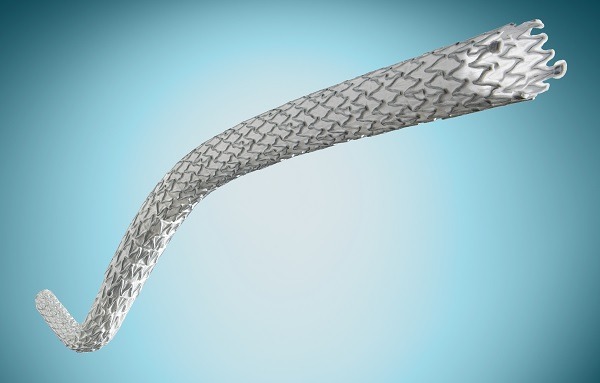
Percutaneous deep vein arterialization (pDVA) with the LimFlow system offers a cost-effective and high-value alternative to traditional therapies or amputation, according to a recent study published in the Journal of Critical Limb Ischemia. Peter Schneider, MD, professor of surgery at…