Brought to you by:

Lymphedema: NYC vascular surgeon explains experience tackling severe cases with a modified Charles’ procedure

Kuldeep Singh, MD, calls them a labor of love. They are tough—the patients having endured repeated hospitalizations, infections, embarrassment: The sorts of severely affected lymphedema cases he ends up treating find individuals in the end stage of the disease and…
Patients with depression ‘less likely’ to go home after CLTI revascularization

A recent analysis established an association between depression and non-home discharge after revascularization for chronic limb-threatening ischemia (CLTI)—providing further evidence, the authors say, that an increased awareness of mental health is fundamental to care for vascular surgery patients. Joel L.…
SVS online education hub goes live

The Society for Vascular Surgery (SVS) has launched its Education Portal, linking to eagerly anticipated new learning management system (LMS) SVS OnDemand. Education Committee chair Kellie Brown, MD, hailed the site an online hub that covers all educational needs. Links…
Five-year ILLUMENATE results confirm safety profile of Philips Stellarex DCB
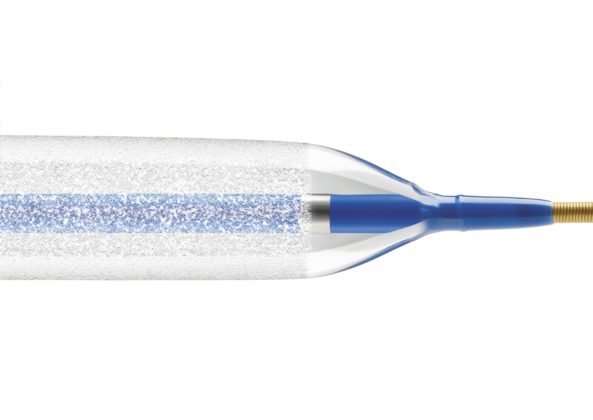
Royal Philips has announced the final, five-year results of two randomized controlled trials (RCTs) that show no difference in all-cause mortality between patients treated with the Stellarex drug-coated balloon (DCB) and those treated with percutaneous transluminal angioplasty (PTA), the current standard…
Upper-extremity vascular injuries associated with ‘increased prevalence’ of nerve deficits

Vascular injuries of the upper extremity are associated with a lower rate of limb loss but have an increased prevalence of nerve deficits after trauma, a new analysis comparing vascular trauma of the extremities reveals. The investigators behind the study—delivered…
Vascular firefighters: New data highlight ‘essential hospital resource’

New data that analyze the preoperative and intraoperative assistance vascular surgeons provide to other surgical subspecialties underscores “the essential hospital resource” that vascular surgery represents. These findings by a team of researchers from Robert Wood Johnson Medical School at Rutgers…
Fempop atherectomy: Are high reimbursement amounts incentivizing inappropriate medical provider care?

Reimbursement-per-procedure for femoropopliteal atherectomy and stenting has increased at about the same rate for national providers as a whole and vascular surgeons specifically—at the same time as much higher rates were recorded for radiologists and general surgeons, an analysis of…
SVS seeks volunteers for claudication Appropriate Use Criteria rating panel

The Society for Vascular Surgery (SVS) is developing Appropriate Use Criteria (AUC) for claudication using the RAND Appropriateness Method. The AUC process consists of a writing panel that develops clinical scenarios and a rating panel that rates the appropriateness of…
Not Appropriate! Florida healthcare fraud case highlights inappropriateness in care

The latest research around practice patterns and appropriateness in care came shortly after a criminal case in Florida at the tail end of last year in which the owner of an outpatient catheterization lab pled guilty to committing healthcare fraud,…
‘Inordinate amount’ of vascular surgery’s Medicare payments go to narrow group, study finds

Just 1% of vascular surgeons receive “an inordinate amount” of the total Medicare payments that flow toward the specialty, with disproportionate use of outpatient atherectomy among a small number of providers raising concerns on appropriateness and overutilization, an investigation of…