Brought to you by:
Bolstering the workforce: Session details how to start a vascular training program
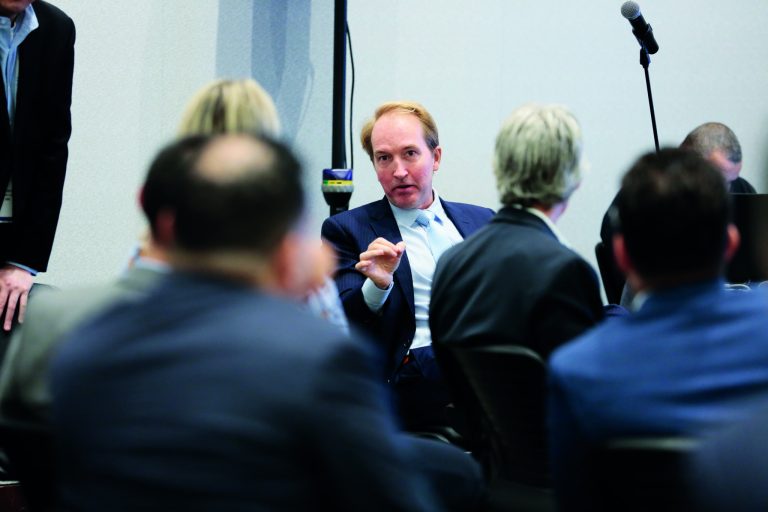
The workforce shortage issues set to plague vascular surgery over the next few decades, alongside an aging population and increase in vascular disease, formed the backdrop to a 2022 Vascular Annual Meeting (VAM) breakout session in Boston (June 15–18) designed…
Off-the-shelf branched endograft for TAAAs demonstrates safety and effectiveness through two years in both stable, symptomatic patients
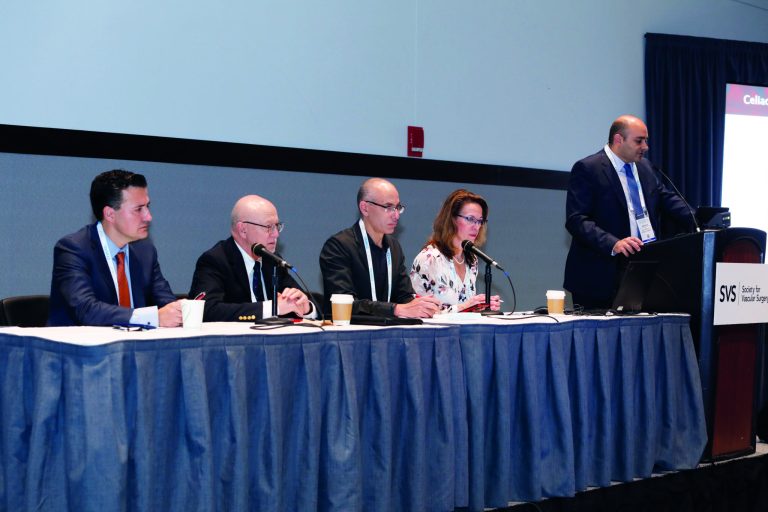
Two-year target vessel-related freedom from all-cause and aneurysm-related mortality for an off-the-shelf multibranched endovascular device for the treatment of thoracoabdominal aortic aneurysms (TAAAs) came in at 78.5% and 98.6%, 2022 Vascular Annual Meeting (VAM) attendees heard. The data relate to…
New SVS president outlines priorities for his tenure as Society aims to reach out
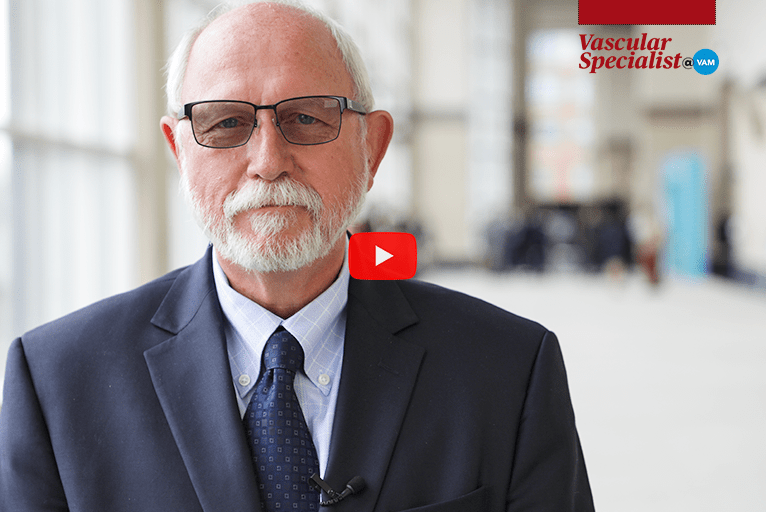
Michael Dalsing, MD, who took over as Society for Vascular Surgery (SVS) president at the 2022 Vascular Annual Meeting (VAM) in Boston (June 15–18), talks about the priorities he has set out for his time at the helm, which include…
New project will develop nanoparticles with imaging and medicine-delivery capabilities to better treat PAD
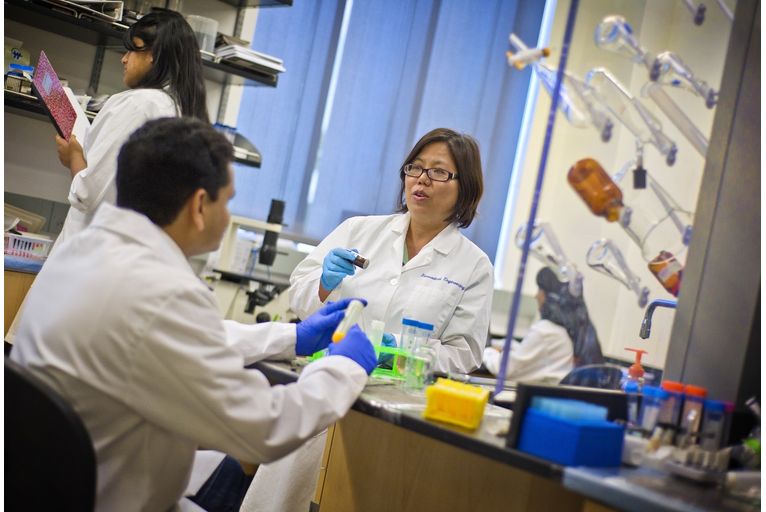
A University of Texas at Arlington bioengineer is leading a project to develop biodegradable nanomaterials that will take pictures and deliver medicine to combat peripheral arterial disease (PAD), the university announced in a press release. Kytai Nguyen, a UTA bioengineering…
ALI can occur with or without atherosclerotic disease, portends worse prognosis in COVID-19 patients, VESS session told

Acute limb ischemia (ALI) can occur with or without atherosclerotic disease and portends a worse prognosis in patients with COVID-19. This risk persists after COVID-19 infection due to a lingering co-inflammatory state, and D-dimer may be a useful screening test…
Greenberg Lecture raises prospect that ‘less is more and more is less’ with aortic disease treatment
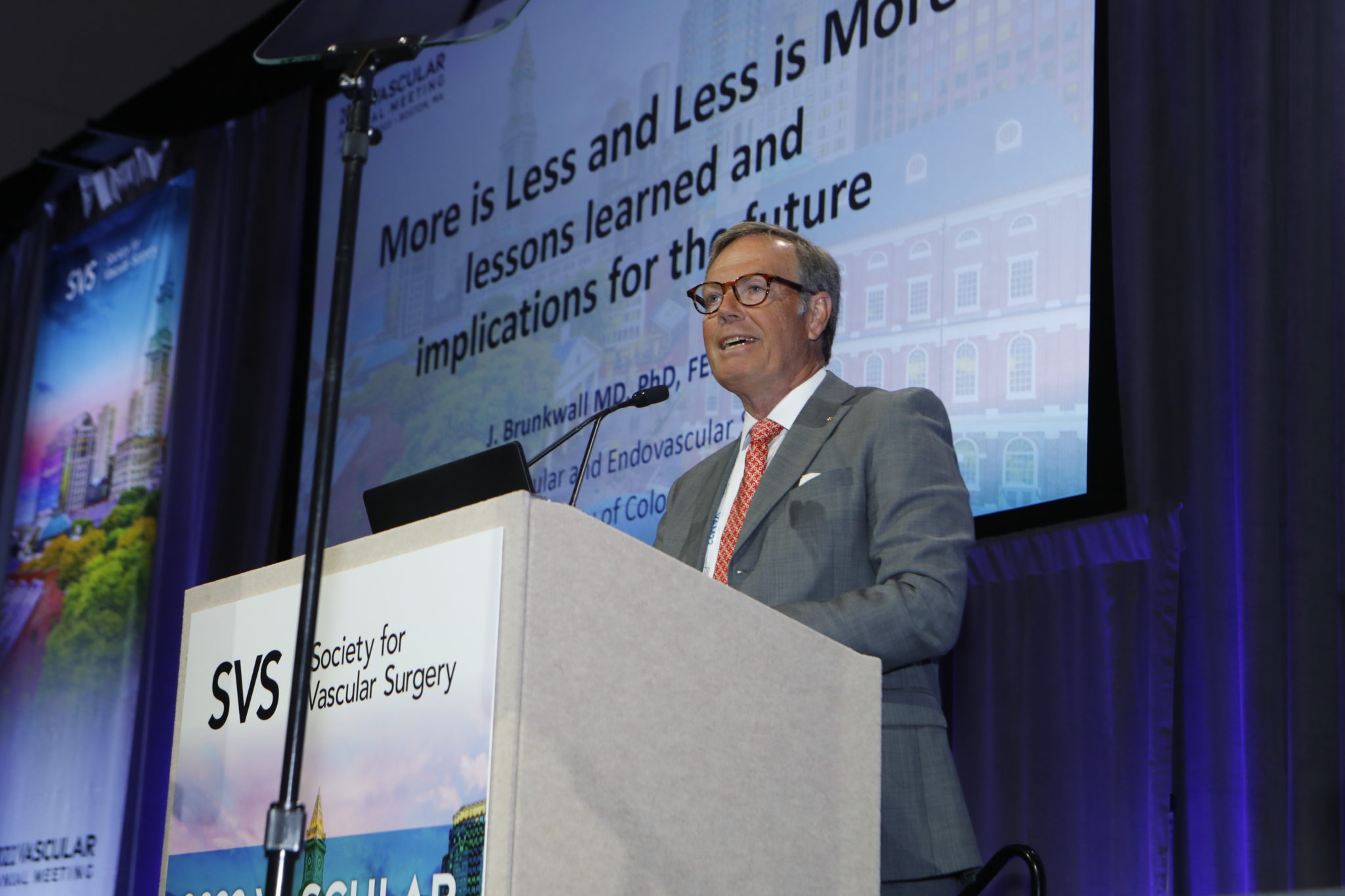
Jan S. Brunkwall, MD, from the University of Cologne in Cologne, Germany, delivered the Roy Greenberg Distinguished Lecture at the 2022 Vascular Annual Meeting (VAM), telling attendees “more is less, and less is more!” when it comes to treatment for…
Vascular Surgery Interest Groups propel students’ awareness and engagement in the specialty, VAM 2022 hears
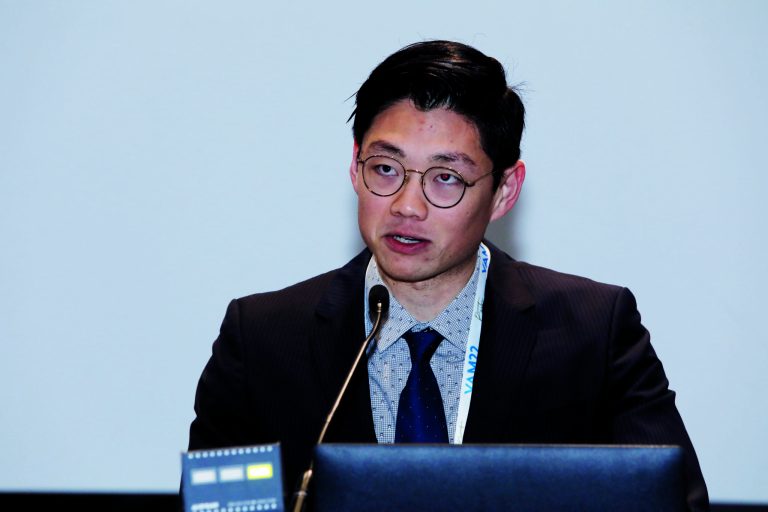
A study of the impact of Vascular Surgery Interest Groups (VSIGs) can have on piquing awareness and engagement of medical students in the specialty found a spike among first years taking electives in vascular surgery after a series of interest…
An antidote for burnout: Vascular surgeons as hospital administrators
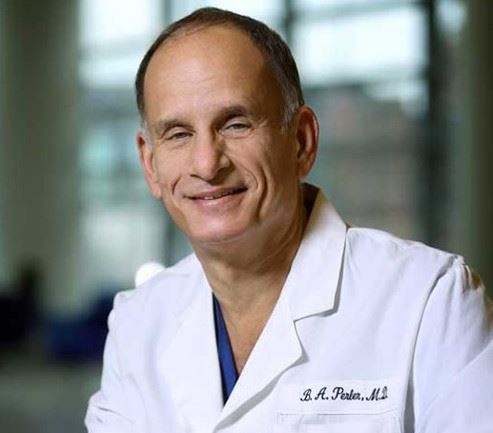
The much-maligned electronic health record (EHR)—sometimes referred to as electronic medical record, or EMR—is not among the causes of burnout, per se, but rather a symptom, the 2022 Vascular Annual Meeting (VAM) heard during the John Homans Lecture on the…
Female sex ‘should be considered an independent risk factor’ for new stroke occurrence after carotid revascularization in symptomatic patients
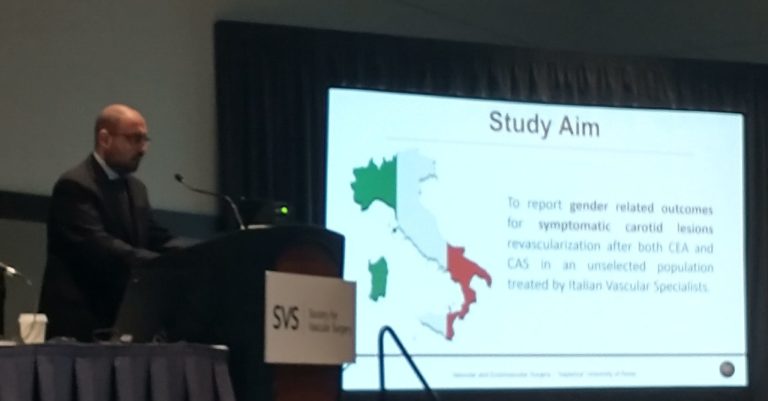
A preliminary report lends evidence to support female sex being considered as an independent risk factor for new stroke occurrence after carotid revascularization in symptomatic patients, according to a research team from Italy who presented at the International Chapter Forum…
Study of post-carotid endarterectomy surveillance prompts protocol discussion
The results of an analysis of nearly 2,000 carotid endarterectomies (CEAs) “challenge the notion” that patients benefit significantly from the current post-operative surveillance guidelines, and suggest that these may be contributing to “oversurveillance”—an issue that should be addressed in future…