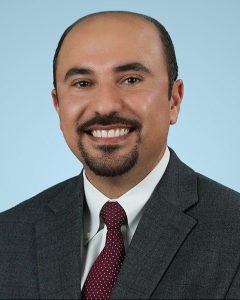
“Peripheral arterial disease [PAD] should no longer be viewed simply as a problem of arterial obstruction requiring procedural intervention,” said Mohamed Zayed, MD, PhD, associate professor of Surgery and Radiology at Washington University School of Medicine. That assertion cuts to the heart of a presentation making the case for fundamental rethinking of how PAD is diagnosed, treated and managed — and where medicine, not surgery, may ultimately prove the more powerful long-term tool.
According to Zayed, the argument for change begins with a recognition that PAD has long been underserved. Despite carrying substantial risks of myocardial infarction, stroke, amputation and death, the disease remains profoundly underdiagnosed and undertreated, with many patients presenting late in the disease course. That gap, Zayed argues, is partly a consequence of how the field has historically framed PAD as a “plumbing problem” rather than a systemic one.
“PAD is a systemic cardiometabolic and inflammatory disease that requires early diagnosis, aggressive medical therapy and comprehensive longitudinal management,” said Zayed, who will present the findings during Thursday’s Hot Topics session (3:30-5:00 p.m.). “The future of PAD care will depend on our ability to integrate advanced intervention with biology-driven medical therapies that prevent disease progression, reduce cardiovascular and limb-related complications and improve both survival and quality of life.”
The presentation reviewed an expanding class of pharmacologic and biologic therapies, including advances in lipid-lowering agents, antithrombotic strategies, GLP-1 receptor agonists and anti-inflammatory compounds, each showing capacity to reduce major adverse limb events, functional decline and amputation risk. What sets these therapies apart is their mechanism: Rather than restoring blood flow mechanically, they target the biological drivers of disease progression directly.
“Many newer therapies appear to provide benefits that extend beyond traditional lipid lowering or glucose control,” said Zayed. “Modulation of inflammation, endothelial biology and metabolic signaling may represent major therapeutic opportunities for improving long-term PAD outcomes.”
That reframing carries direct implications for how revascularization fits into PAD care. Procedural intervention remains critically important, but Zayed argues it cannot address the systemic atherosclerotic instability and metabolic dysfunction that drive many of the worst outcomes. He said medical therapy and procedural care are complementary and the challenge is ensuring both receive equal clinical emphasis.
“Procedural intervention alone is insufficient,” said Zayed. “Durable improvements in patient outcomes require aggressive optimization of systemic medical therapy both before and after revascularization.”
The presentation also outlined a framework Zayed calls precision vascular medicine, in which biomarkers, advanced imaging and individualized risk profiling guide therapy selection for specific patients rather than applying a uniform protocol. This approach reflects a broader evolution in how the field understands PAD, treating thrombosis, endothelial dysfunction and metabolic dysregulation as distinct and addressable targets rather than byproducts of a single obstructive process.
Realizing those goals will also require structural changes in care delivery. According to Zayed, managing systemic disease across multiple biological domains calls for teams spanning vascular surgery, cardiology, endocrinology, primary care and preventive medicine, with implications not only for outcomes but for health system costs tied to repeated hospitalization, intervention and limb loss.
“Earlier and more aggressive medical management has the potential to reduce amputations, myocardial infarction, stroke and cardiovascular mortality in a population that historically experiences very poor outcomes,” said Zayed. “Beyond survival, these therapies may also preserve mobility, functional independence and quality of life in patients who often experience progressive disability and frailty.”
Zayed calls for PAD-specific clinical trials that go beyond traditional cardiovascular endpoints to capture limb outcomes, walking performance and quality of life, alongside investment in earlier detection tools, including blood-based biomarkers, artificial intelligence-enabled screening and advanced imaging capable of identifying disease before irreversible tissue injury occurs.
“We need improved strategies for earlier detection of PAD, particularly in high-risk populations such as patients with diabetes, chronic kidney disease and metabolic syndrome,” said Zayed. “Research into precision medicine approaches that integrate biomarkers, genomics, proteomics and imaging may ultimately allow clinicians to tailor therapies to the biological profile of individual patients and improve therapeutic effectiveness.”