Brought to you by:
A global concern: WFVS seeks to level up vascular education in every corner of the world

WFVS secretary general details how the organization has evolved in recent years, seeing gains in representation and access to education among members from underserved regions. In the stew of national and regional vascular societies that dot the globe, the World…
Training smarter, not harder: Analysis finds no negative impact of reduced core surgical requirements

Since the 2018 Accreditation Council for Graduate Medical Education (ACGME) reduction of core surgical requirements from 24 to 18 months during integrated vascular surgery residency, vascular residents’ operative experience has been unaffected, suggesting improved training optimization and efficiency. This was…
Our patients need more Spanish-speaking vascular surgeons: An argument for medical Spanish in residency

Since there are more than 40 million Spanish speakers in the United States, training more bilingual physicians could potentially improve equitable care in Latino communities, according to an article published on July 18, 2023, by the Association of American Medical…
The good, the bad and the bloody: Reflections on the road to residency

As my third year of residency comes to a close, that little thing called The Match feels like a distant fever dream. The memories of Electronic Residency Application Service (ERAS) application anxiety now tinted with the rose-colored glasses of a…
Springtime in the world of vascular training
In places across the country, it’s spring. March Madness is ending, flowers are sprouting, gardens are being planted, and trees are budding. In the vascular trainee world, there is frantic preparation for the end of another academic year and the…
Less vain and more vein: Evaluating the perceptions of venous disease amongst the vascular surgery community
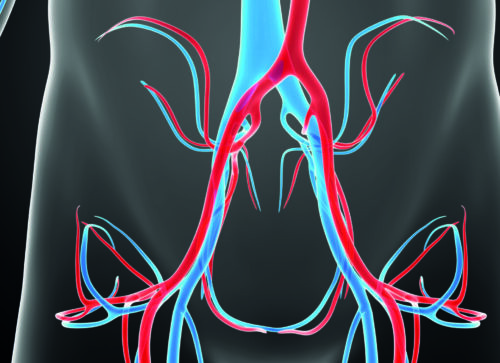
Our biases permeate the fabric of our very being, as they weave their way into our training and practice. It is clear that complex aortic work is definitely in vogue and “in,” and, well… treating veins gets a bad rap.…
Sudanese vascular association readies for first-ever conference
The Sudanese Association of Vascular Surgeons (SudAVaS) has announced the scientific program behind its first-ever international conference, marking the occasion by celebrating the “first steps in establishing vascular surgery as a standalone surgical specialty” in the northeast African country. The…
SVS members receive deep discount on key textbooks
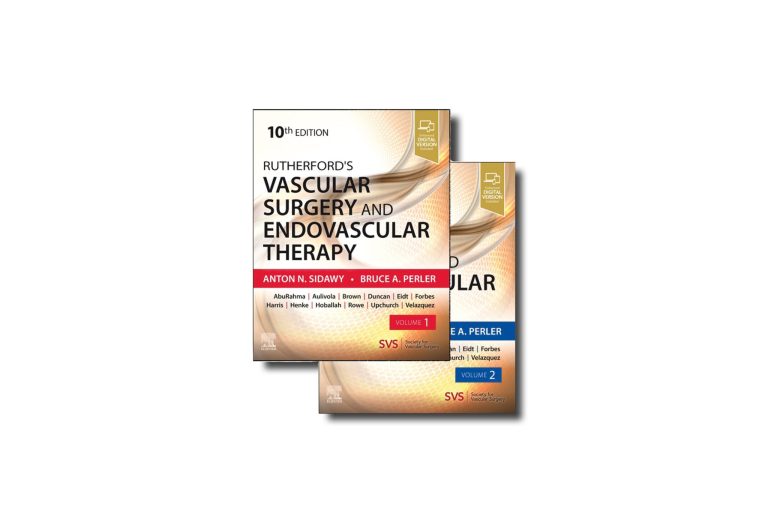
Society for Vascular Surgery (SVS) members receive many important discounts as a privilege of belonging. These perks include discounts to important references in diagnosing and treating vascular injury, including Rich’s Vascular Trauma and Rutherford’s Vascular Surgery and Endovascular Therapy. Both…
Worldwide TCAR analysis provides ‘roadmap’ to evaluate future training approaches
An analysis of the worldwide experience of transcarotid artery revascularization (TCAR) has produced key objective proficiency metrics and an analytic framework to assess adequate training for the procedure. “Training on cadavers or synthetic models achieved clinical outcomes, technical outcomes and…
WFVS seeks to help shape future of global vascular training through technology and collaboration

The World Federation of Vascular Societies (WFVS) recently entered a new era of governance with the aim of better disseminating science and best practices for vascular surgeons operating in every corner of the globe. Palma Shaw, MD, WFVS secretary-general, spoke…