Brought to you by:
Educational opportunities abound at VAM 2023

Ok, so day one has lived up to the hype. From hearing about amazing research endeavors to listening to lively discussions on the latest treatment options for vascular patients, it has been very invigorating. Day two is equally packed. One…
Analyses offer a deeper dive into BEST-CLI trial data
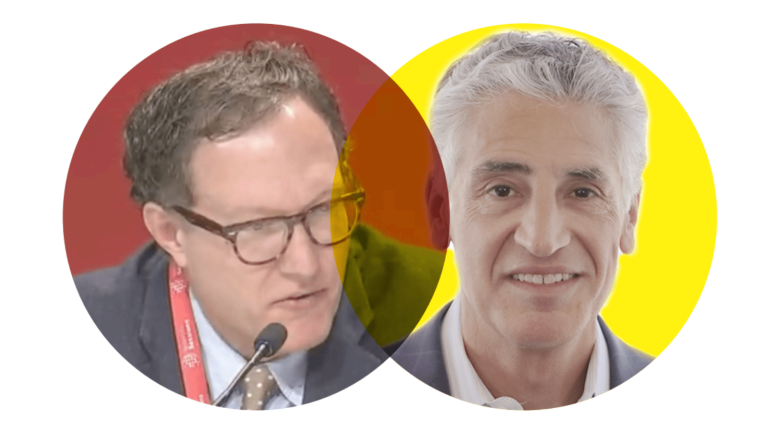
As the vascular community continues to digest key insights from the BEST-CLI randomized controlled trial (RCT), attendees of Plenary Session 3 at the Vascular Annual Meeting (VAM) 2023, taking place 8:00–9:30a.m. Thursday morning in Potomac A/B, will be offered a…
VAM 2023: SVS descends on Capitol Hill
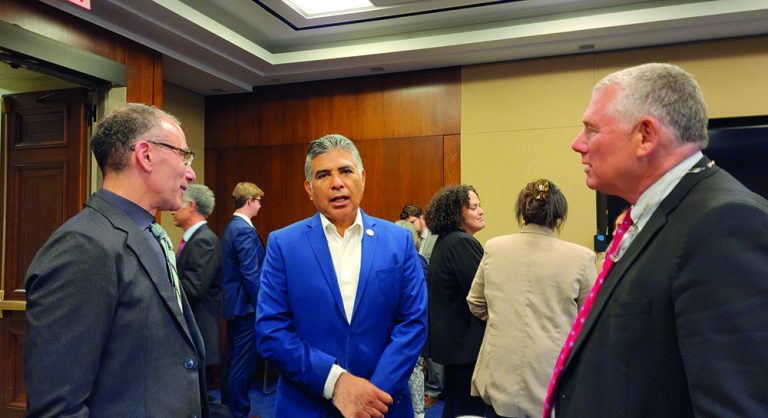
Nearly 50 SVS members took advantage of VAM’s location near Washington, D.C., visiting Capitol Hill Tuesday to discuss legislation related to vascular surgery with members of Congress and their staffs. The meetings were constituent-driven, with members talking with elected officials…
Sex-related disparities in lower-extremity revascularization outcomes brought into focus
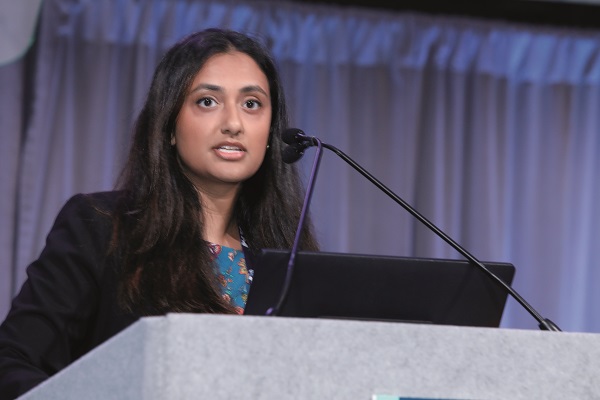
Women are more likely to undergo reintervention after lower extremity revascularization for peripheral arterial disease (PAD) compared to male patients with similar limb salvage and survival outcomes despite having fewer comorbidities, findings of a retrospective analysis presented during the William…
Endothelial cell granted superhero status in invited research presentation
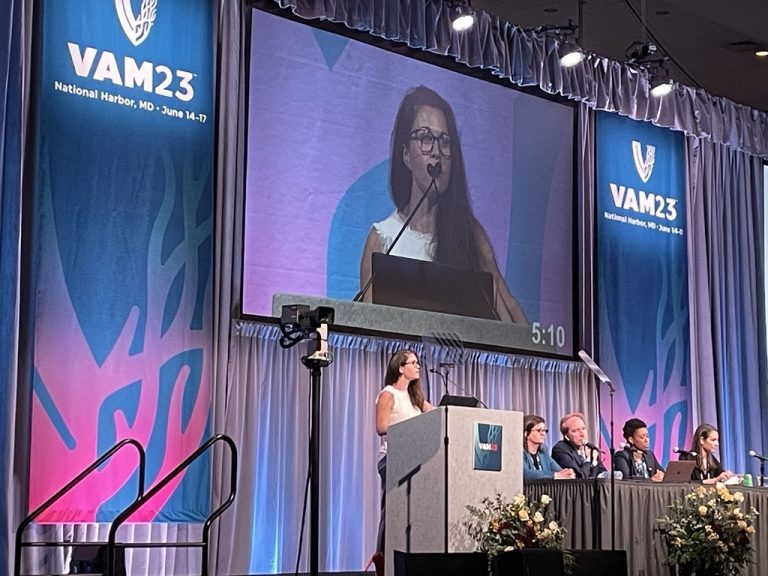
“The endothelial cell is the superhero of the vascular system,” Kathryn L. Howe, MD, PhD, FRSCS, a vascular surgeon-scientist at the University of Toronto in Toronto, Canada, argued during an invited research presentation in Plenary Session 2 at VAM 2023.…
Significant life and limb gains for claudicants who stop smoking before lower-extremity bypass
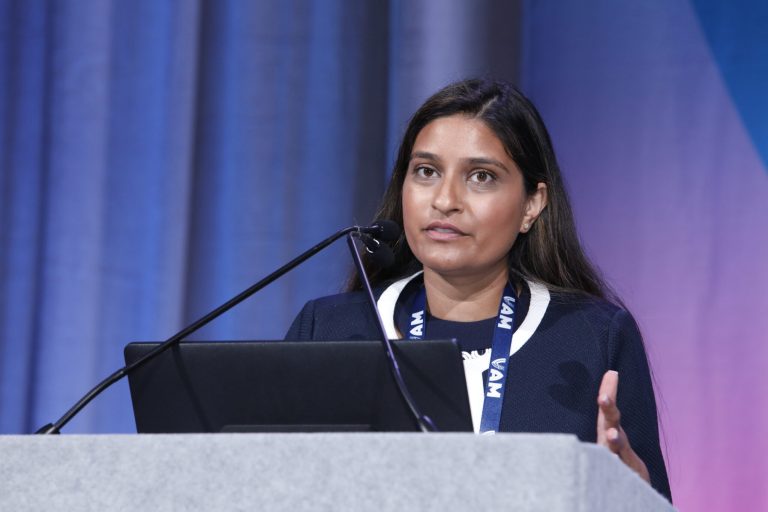
Long-term overall survival (OS) and amputation-free survival (AFS) are outcomes that rebound in claudicants who quit smoking prior to elective surgery—and they mirror those of never smokers. But patients who don’t kick the habit have significantly worse outcomes, lighting up…
Safety benefits mean TCAR may be preferable approach in radiation-induced carotid stenosis
A study set to be presented at VAM (14–17 June, National Harbor, USA) has found that the long-term outcomes of transcarotid artery revascularization (TCAR) are “not significantly affected” by prior head and neck radiation. Owing to substantially increased risks of…
Base revascularization strategy on effectiveness in restoring adequate and durable limb perfusion, BEST-CLI subanalysis advises
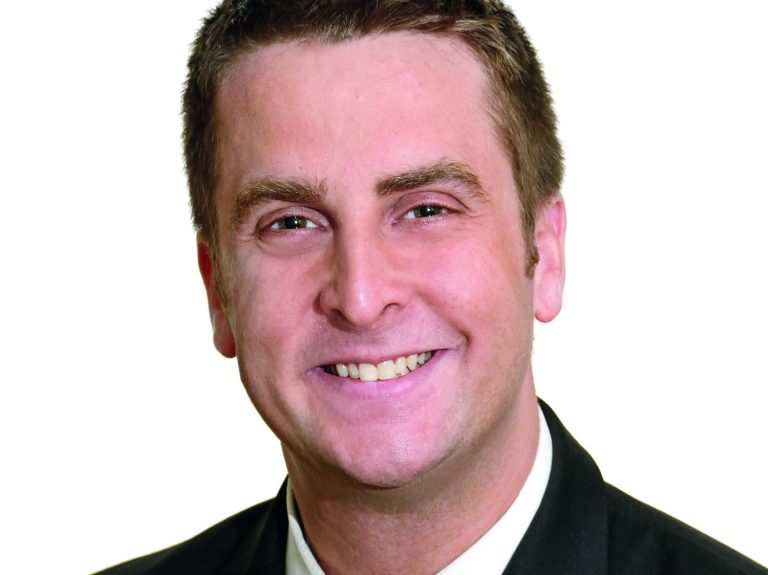
The results of a subanalysis of the BEST-CLI trial found that patients with chronic limb-threatening ischemia (CLTI) who were deemed suitable for open lower-extremity bypass surgery “have similar periprocedural complications following either open or endovascular revascularization.” The finding led researchers…
Global perspectives take center stage in second annual WFVS session at VAM
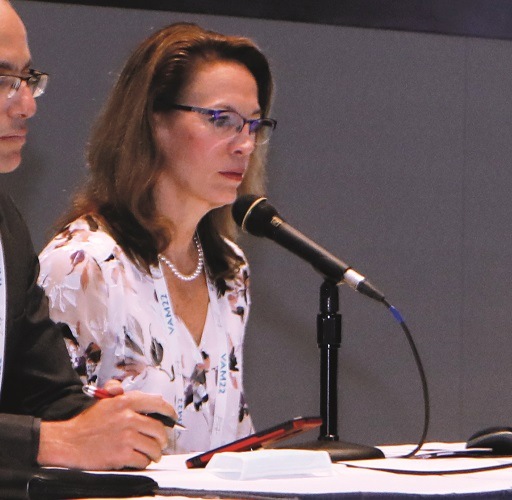
“The intellectual exchange of information and a better understanding of unique global perspectives has brought the leading societies closer,” Palma Shaw, MD, MBA, secretary general of the World Federation of Vascular Societies (WFVS) says of the success of this international…
Integrated vascular surgery program features may optimize trainee wellness and decrease attrition

Today’s program at the 2023 Vascular Annual Meeting (VAM) will feature the presentation of an abstract by R. Debbie Li, MD, Loyola University Medical Center, Chicago, on the divergent perceived experiences of the shared learning environment by vascular and general…