Brought to you by:

Study links clopidogrel genetic variants to cardiovascular risk after PAD intervention

Genetic variants that reduce the effectiveness of clopidogrel may increase the risk of heart attack and stroke in patients undergoing peripheral artery disease (PAD) interventions, according to research presented at VAM 2026. The study found that around one in five…
Can tailored thromboprophylaxis reduce amputation risk?

One in five endovascular procedures fails within six months and for decades vascular surgeons have answered that statistic with the same blunt toolkit: aspirin, clopidogrel, or whatever combination a given surgeon prefers. This year’s Frank J. Veith Distinguished Lecture at…
Data support conservative approach to claudication in elderly patients

Claudication rarely takes a limb. But in patients over 80, the attempt to treat it surgically may take something just as important. New data, presented at VAM 2026 by Jeffrey Siracuse, MD, makes the case that for octogenarians with intermittent…
TCAR demonstrates durable long-term outcomes with few reinterventions

Across more than 1,000 transcarotid artery revascularization (TCAR) procedures performed over eight years at a single high-volume institution, a recent study found only 12 patients required reintervention — a 1.1% rate that speaks to the durability of TCAR. The data…
New data support tailored revascularization strategies for patients with CLTI

A new study comparing autologous vein bypass to endovascular intervention as the initial revascularization strategy for patients with chronic limb-threatening ischemia (CLTI) requiring infrapopliteal treatment found when patients were carefully matched for comorbidities, outcomes between the two approaches were largely…
Biological sex remains a key determinant in CLTI revascularization rates and outcomes

Female patients had fewer endovascular revascularizations for chronic limb-threatening ischemia (CLTI) compared to male patients but experienced lower risks of mortality and major amputation, according to recent data. However, the findings also showed female patients were more likely to experience…
Humacyte announces commercial launch of Symvess for extremity vascular trauma
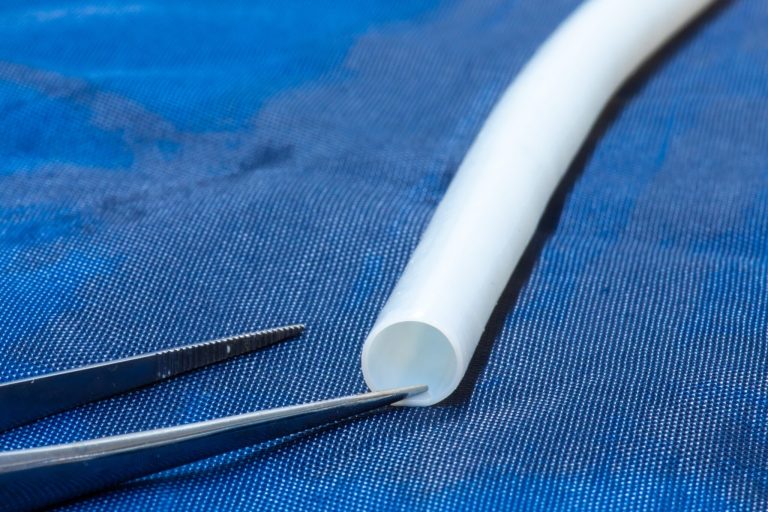
Humacyte today announced the commercial launch of Symvess (acellular tissue engineered vessel-tyod) for use in adults as a vascular conduit for extremity arterial injury when urgent revascularisation is needed to avoid imminent limb loss, and when autologous vein graft is…
Sex-based analysis finds BEST-CLI data generalizable to female patients

A new secondary analysis of sex disparities in the best endovascular versus best surgical therapy in patients with critical limb ischemia (BEST-CLI) trial data has found that improved major adverse limb event (MALE)-free survival via open surgical bypass with single…
Studies highlight need for tailored treatment options for women with peripheral arterial disease

New clinical results highlight the need for inclusive approaches and comprehensive examinations of treatment options for peripheral arterial disease (PAD), including endovascular therapy and revascularisation. The data were presented recently at the Society for Cardiovascular Angiography & Interventions (SCAI) 2024…
Paclitaxel controversy: Yes, device restrictions did cause harm
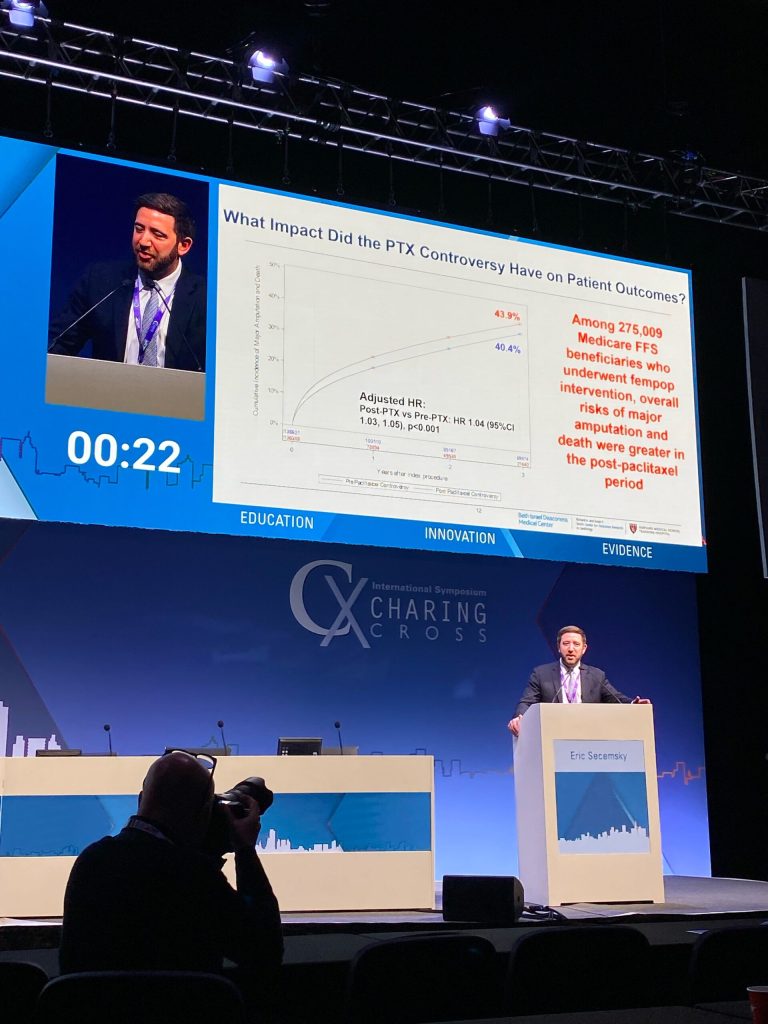
“Unfortunately, we are doing worse for our patients today,” were the sobering thoughts of Eric Secemsky (Boston, United States) during a late-breaking presentation in this morning’s Peripheral Arterial Controversies programme. Among several presentations on paclitaxel safety, he reported that: yes,…