Brought to you by:

First-in-man results to show promise for robot-assisted HIFU in PAD treatment
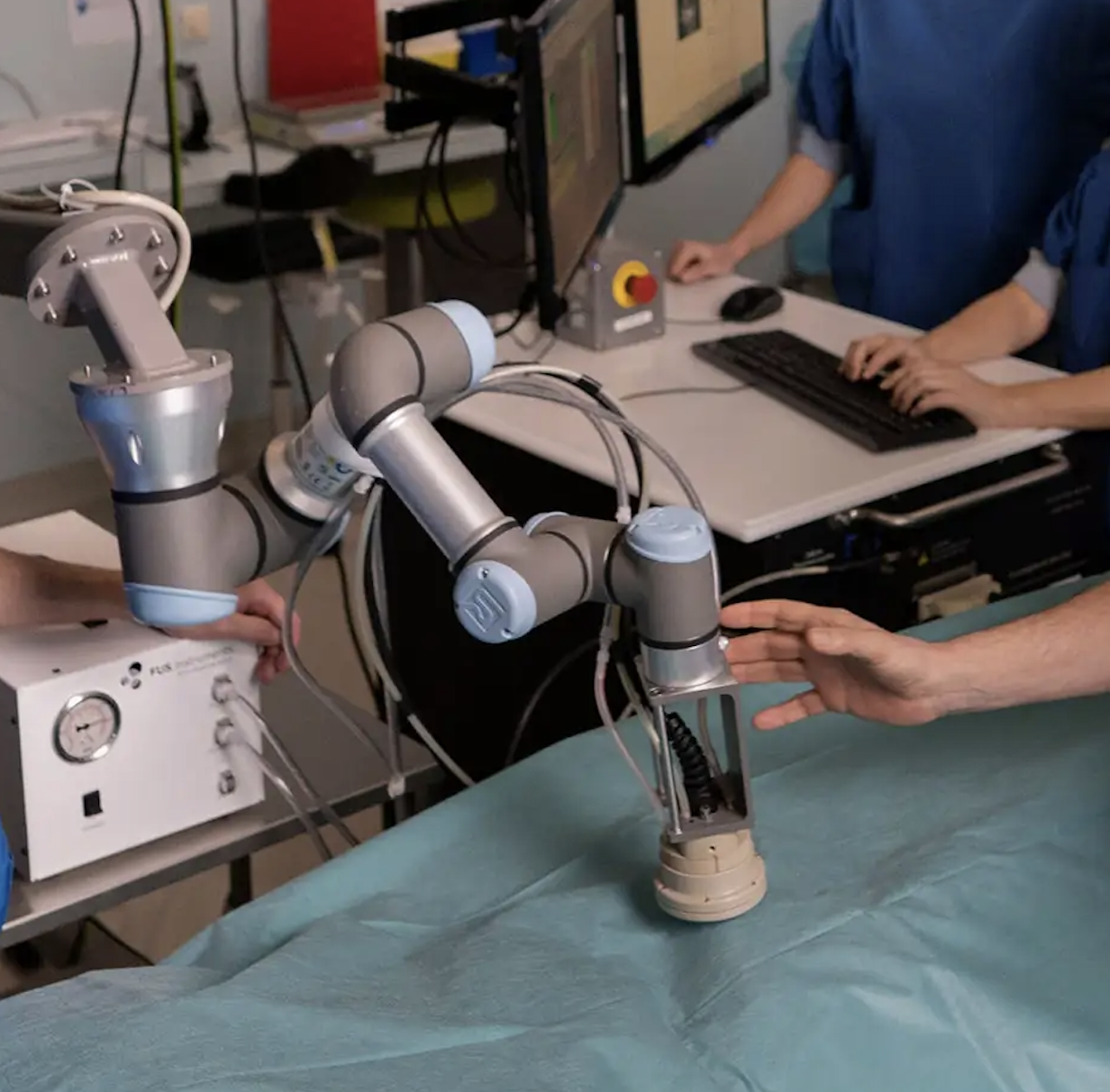
Results of a first-in-human study of non-invasive, robotic-assisted high intensity focused ultrasound (HIFU) for the treatment of peripheral arterial disease (PAD), to be presented Friday morning, will show that the therapy appears to be safe and feasible for the treatment…
What the cost of cancer care teaches vascular specialists
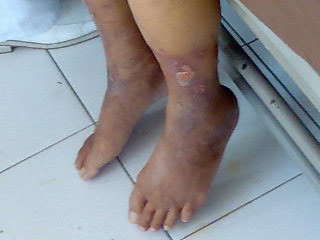
How does the cost of treating critical limb-threatening ischemia (CLTI) in the U.S. stack up to cancer care? That was the question at the heart of research conducted by Richard W. Walsh, MD, and colleagues at the University of Texas…
Cost-effectiveness outcomes defy expectations in latest BEST-CLI data drop
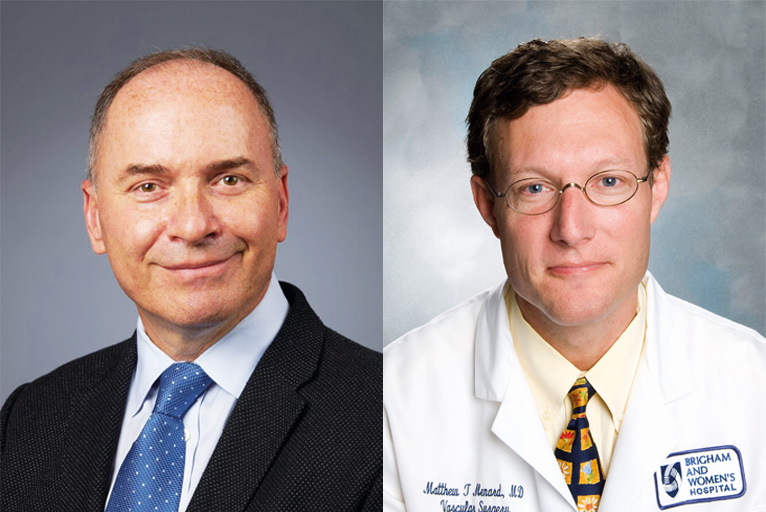
The open surgical approach will prove to be “slightly superior” to endovascular intervention in terms of cost per life year gained, while the latter will be slightly superior to open surgery with regard to cost per quality-adjusted life year gained,…
SVS releases updated guidelines for intermittent claudication
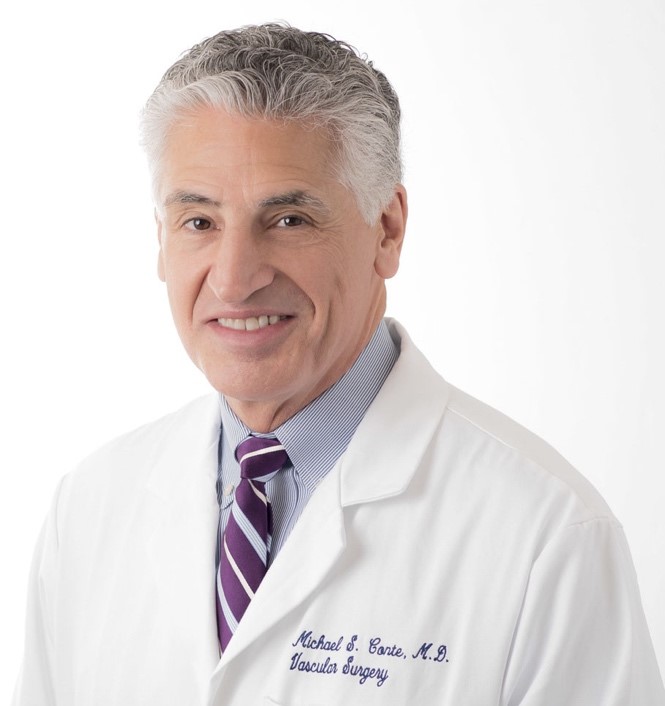
The Society for Vascular Surgery (SVS) has issued a comprehensive update to its clinical practice guidelines for the management of intermittent claudication, urging clinicians to prioritize conservative treatment strategies and patient-centered care. The new guidelines, published in April 2025, reflect…
Equivalent outcomes seen among female, male patients in real-world analysis of paclitaxel-eluting stent use

The use of a paclitaxel-eluting stent to treat femoropopliteal occlusive disease led to equivalent outcomes in male and female patients in “a diverse and complex real-world cohort,” a new study found, set against previous question marks over the effectiveness of…
New study validates BEST-CLI trial results, ‘suggesting generalizability’
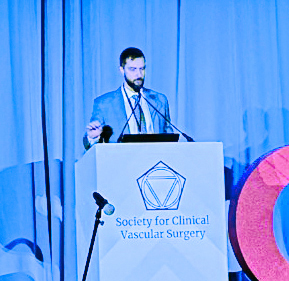
A new propensity-matched analysis of more than 1,100 lower extremity revascularization procedures carried out in patients with chronic limb-threatening ischemia (CLTI)—which aimed to help solve the puzzle of why the BEST-CLI trial did not lead to a pick-up in the…
R3 Vascular announces first patient treated in ELITE-BTK pivotal trial

R3 Vascular recently announced that the first patient in its ELITE-BTK pivotal trial has been treated by Brian DeRubertis, chief of vascular surgery at New York-Presbyterian and Weill Cornell Medicine in New York City. The trial evaluates R3 Vascular’s next-generation…
Redefining ‘optimal medical therapy’ for vascular patients

Vascular and endovascular surgeons are frequently the only specialists other than primary care involved in the longitudinal care of their patients afflicted with clinically active vascular disease. As such, while scrutinizing the longitudinal and periprocedural outcomes in their patients, involvement…
ACC.25: Semaglutide improves walk distance for PAD patients with diabetes

Semaglutide significantly improved maximal walking distance in people with symptomatic peripheral arterial disease (PAD) and type 2 diabetes in a trial designed to evaluate the use of a GLP-1 agonist to manage PAD. In addition to improvements in walking ability…
VOYAGE scholarship program for young vascular surgeons
Th e Society for Vascular Surgery (SVS) Foundation, in partnership with the SVS Young Surgeons Section, has launched the VOYAGE Scholarship Program. This initiative will provide $1,000 scholarships to assist early-career vascular surgeons during their formative years in the profession. The…