Brought to you by:

PROMISE III: Six-month data ‘reinforce’ case for TADV in no-option CLTI patients
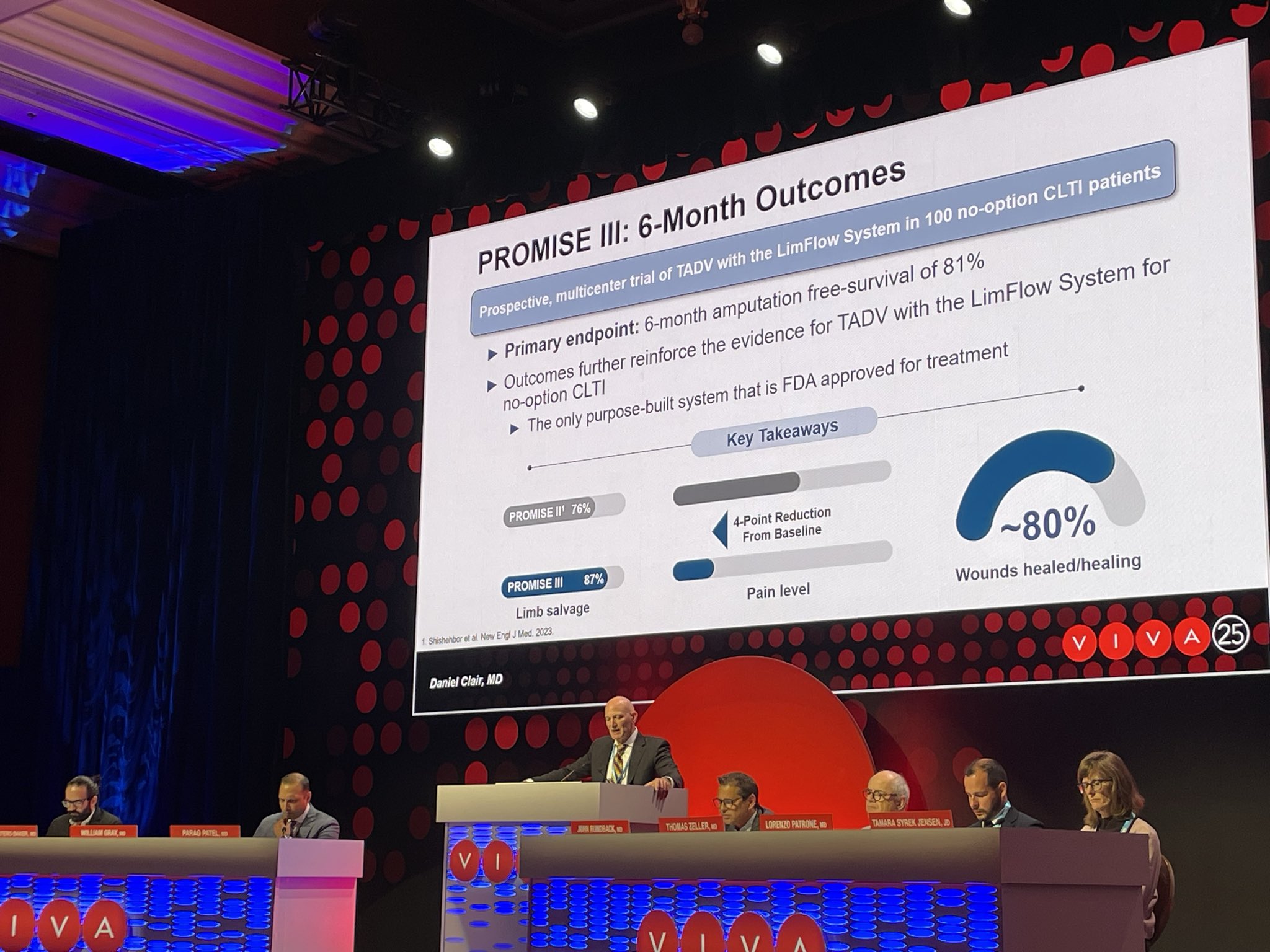
Six-month outcomes among no-option chronic limb-threatening ischemia (CLTI) patients treated using transcatheter arterialization of the deep veins with the LimFlow system (Stryker/Inari Medical) in the PROMISE III trial showed a 81% rate of amputation-free survival. Principal investigator Daniel Clair, MD,…
Vein mapping rates show no sign of change two years after BEST-CLI, new study demonstrates
Vein mapping for lower extremity bypass in patients with chronic limb-threatening ischemia (CLTI) remains unchanged two years after the BEST-CLI, “revealing the difficulty in changing practice patterns based on new evidence,” according to the authors behind a new retrospective multicenter…
‘The patient is there to see me and my face’: Making shared decision-making central to vascular care
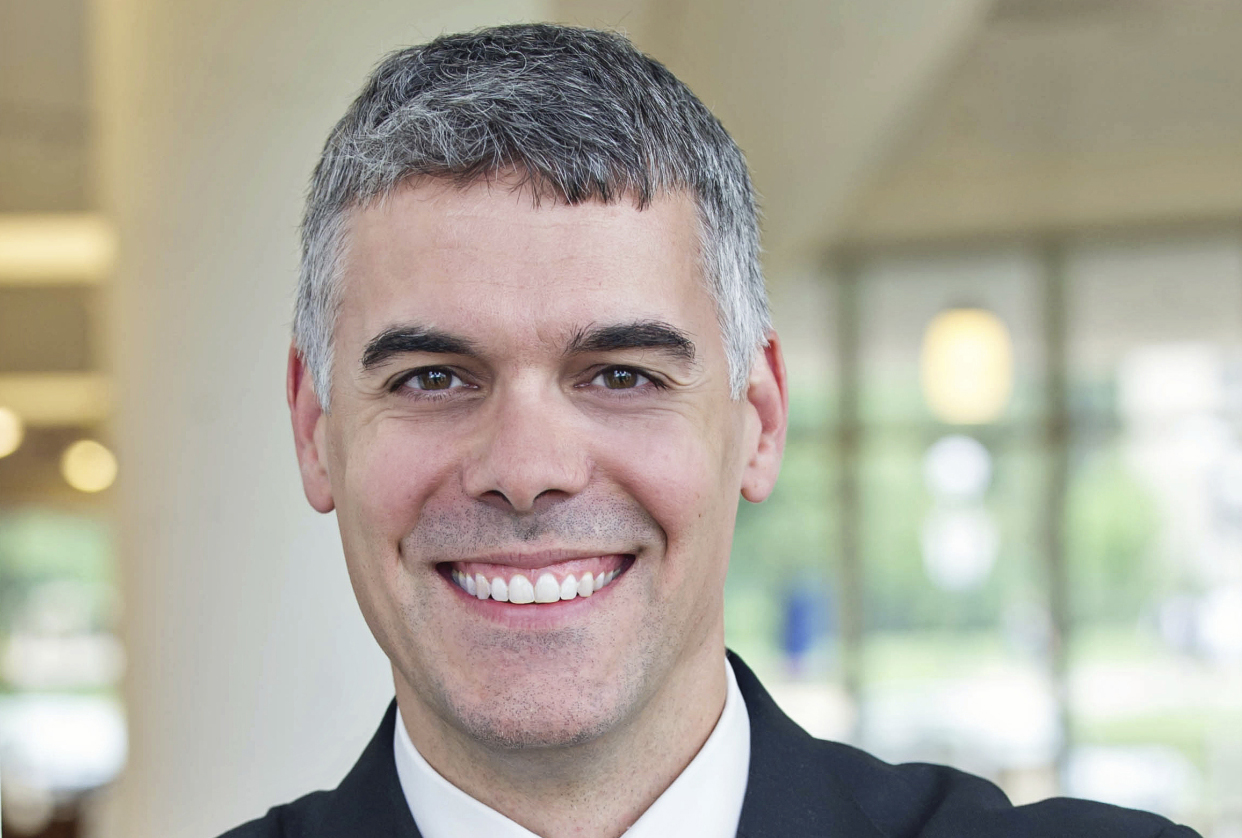
Matthew Corriere, MD, believes a major shift is needed in how clinicians communicate and make decisions with their patients. During the 2025 distinguished address given at the New England Society for Vascular Surgery (NESVS) annual meeting in Providence, Rhode Island…
Patient-facing literature from SVS found to exceed recommended reading level
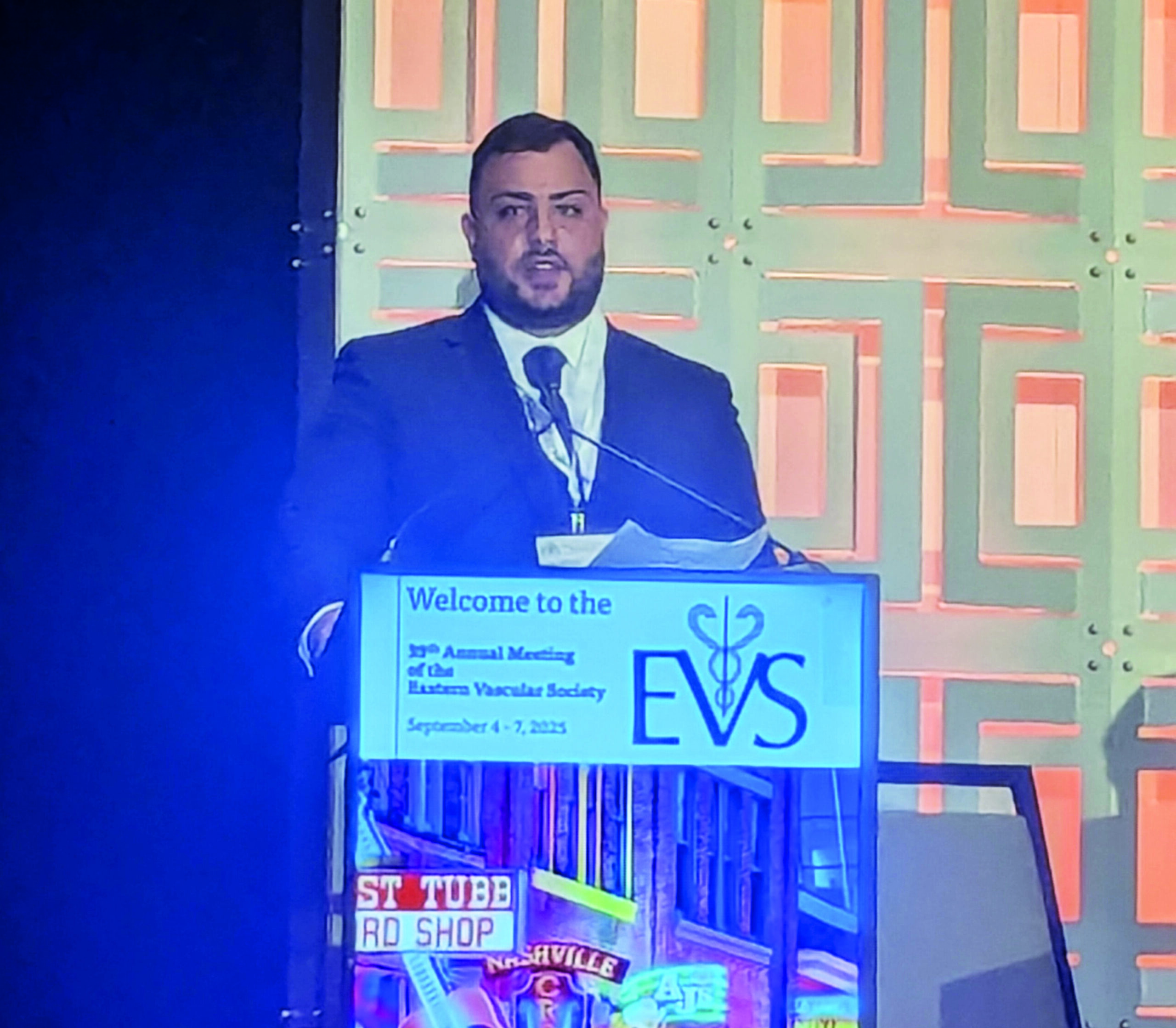
A readability analysis of 15 publicly available patient education materials from the SVS found that all but three exceeded the 8th-grade reading level, the threshold at which the average adult in the U.S. reads. Additionally, all 15 breached the 6th-grade…
Stanford vascular surgery blends team bonding and exercise in first SVS Step Challenge gathering

The Stanford Division of Vascular Surgery launched its first in-person SVS Foundation Vascular Health Step Challenge on Sept. 7, bringing together more than 100 participants to raise awareness for peripheral arterial disease (PAD) during PAD Awareness Month. Jason Lee, MD,…
TADV without venous branch coiling still yields strong limb salvage rates among ‘no-option’ CLTI patients
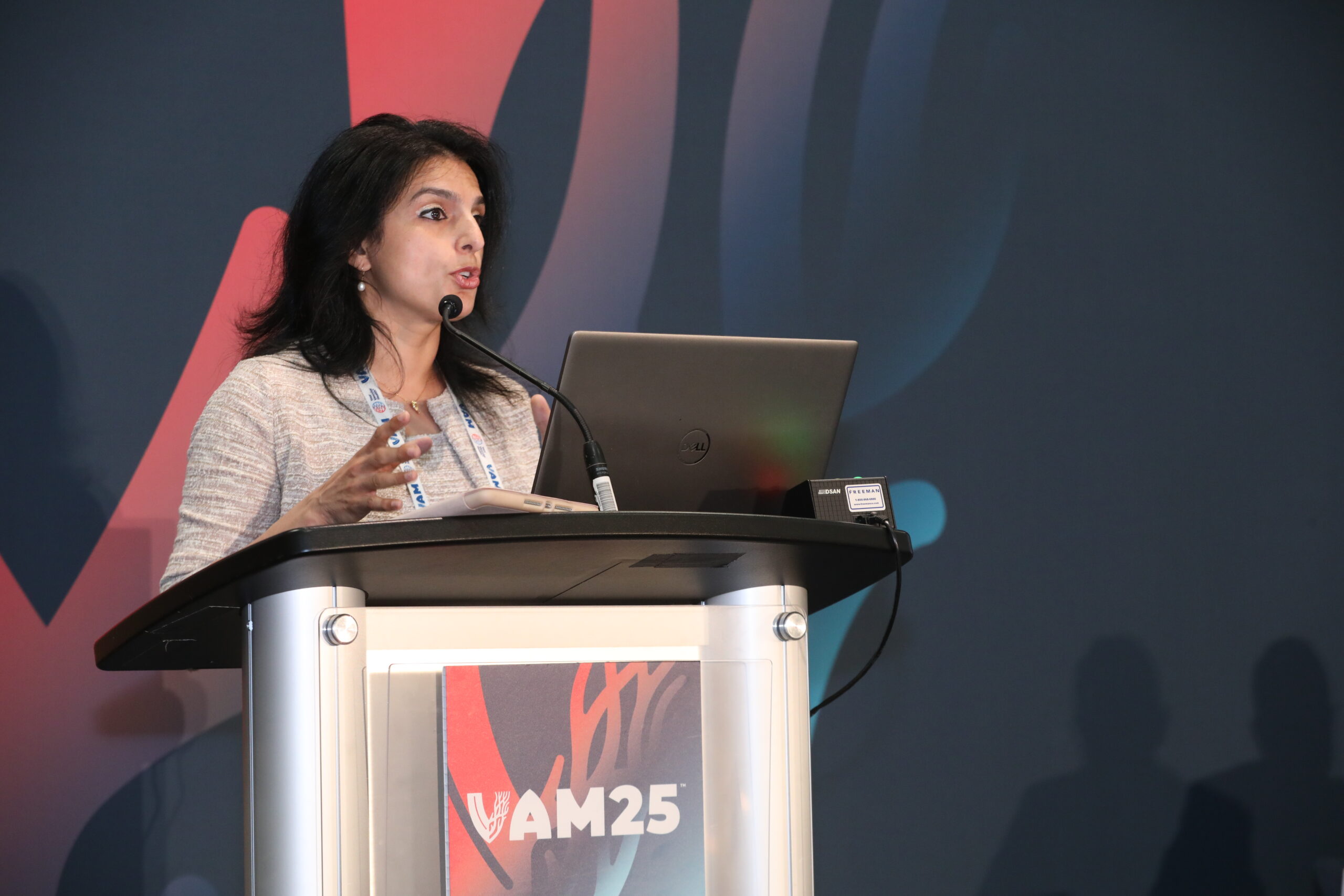
Transcatheter arterialization of deep veins (TADV) done without the coiling of venous outflow branches achieved sufficient distal perfusion after three months among “no-option” chronic limb-threatening ischemia (CLTI) patients, according to results from a study published in the Journal of Vascular…
FastWave Medical appoints principal investigators for IVL pivotal trial

Venita Chandra, MD, clinical professor of surgery at Stanford Health Care in Stanford, California, will serve as a co-principal investigator for the upcoming investigational device exemption (IDE) pivotal trial of Artero, FastWave Medical‘s peripheral electric intravascular lithotripsy (E-IVL) system. The…
Designated multispecialty CLTI teams may help in amputation fight
Teams formally defined as specializing in chronic limb-threatening ischemia (CLTI) were associated with a decreased risk of major amputation among a subset of BEST-CLI trial sites, a paper recently published online ahead of print in the Journal of Vascular Surgery…
Multidisciplinary approach to diabetic foot ulcers in rural America leads to NIH grant
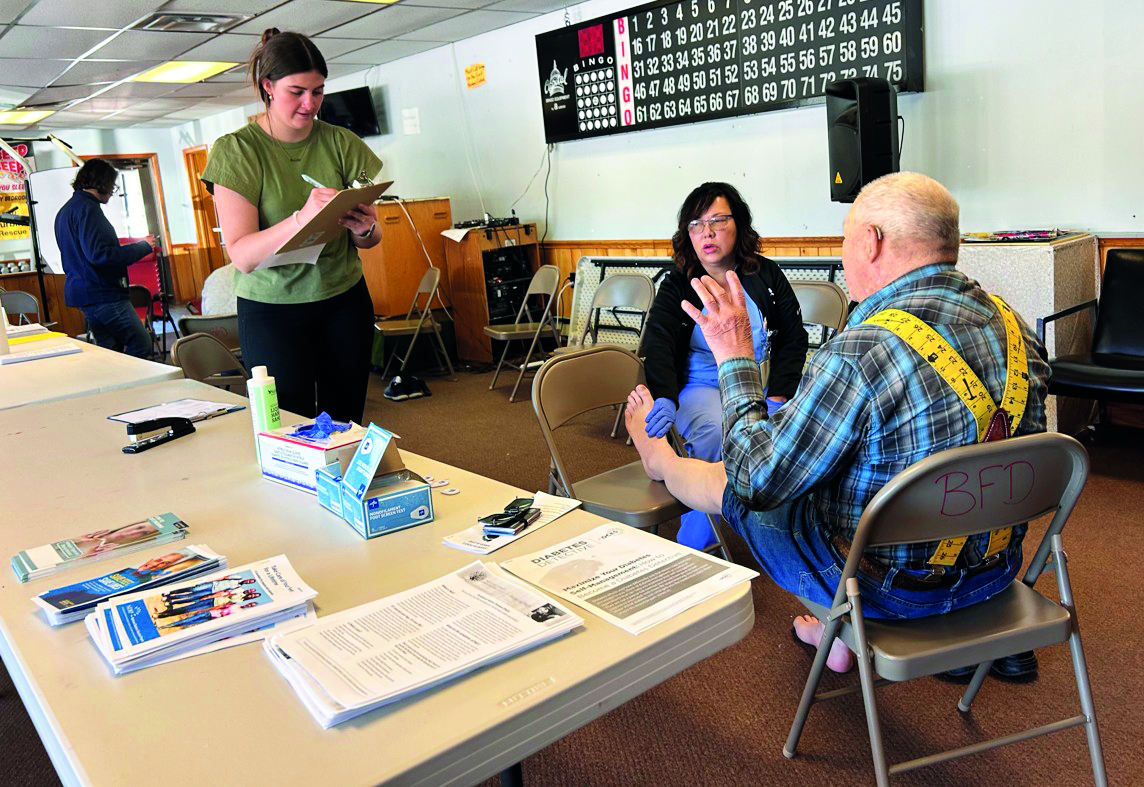
Samantha Minc, MD, MPH, associate professor of surgery at Duke University, has been awarded a National Institutes of Health (NIH) R03 grant to support her research project, “Understanding diabetes and peripheral arterial disease [PAD]-related amputation in North Carolina.” The R03…
Updated intermittent claudication guidelines reflect a decade of new evidence
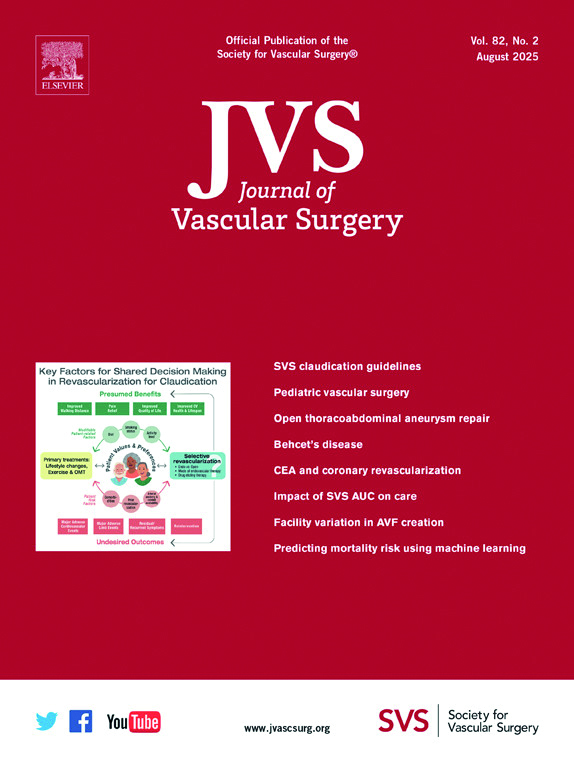
The Society for Vascular Surgery (SVS) recently published comprehensive update to its clinical practice guidelines (CPGs) for the management of intermittent claudication (IC), urging clinicians to prioritize conservative treatment strategies and patient-centered care. The new recommendations, which appeared in the…