Brought to you by:

Blood pressure control critical following PAD revascularization, study shows

A recent study suggests vascular surgeons may be overlooking a crucial element of post-procedural care: blood pressure management. The data, presented at the 2026 annual meeting of the Southern Association for Vascular Surgery (SAVS) in Paradise Island, the Bahamas (Jan.…
Premature PAD tied to higher amputation rates

Patients with premature peripheral arterial disease (PAD) face a significantly increased risk of mid- and late-term major amputation, according to a new analysis of the linked Vascular Quality Initiative and Medicare dataset (VQI-VISION). The research was presented at the 2026…
SVS updates patient reading materials to ‘improve accessibility’

The Society for Vascular Surgery (SVS) has revamped the patient flyers on YourVascularHealth.org—the Society’s patient-facing online patient resource—in an effort to lower the reading level of the material and improve accessibility for patients. The site contains five flyers on the most…
Claudication: Medicare-linked data outline higher rates of progression to CLTI after revascularization among Black women

Black women with claudication had the highest rate of progression to chronic limb-threatening ischemia (CLTI) after lower extremity revascularization at 180 days, new data from a Medicare-linked Vascular Quality Initiative (VQI) procedural registry show. The results were demonstrated in a…
New era beckons: Vascular Specialist moves in-house as new chapter opens for SVS official newspaper

Malachi Sheahan III, MD, has been at the helm of Vascular Specialist for more than seven years. In that time, it is fair to say the newspaper—the official voice of the Society for Vascular Surgery (SVS)—has evolved. About a year…
Missing a step? Searching for meaning in claudication research

A team of leading vascular surgeons in the care of patients with PAD weigh up evidence for the treatment of claudication, calling for research focused on clarifying who should be revascularized, and who should continue with medical management and exercise…
Care for intermittent claudication considered ‘inappropriate’ found to be common, putting patients at ‘increased’ risk

In a multi-institutional cohort of patients with intermittent claudication (IC), care deemed inappropriate, or where the risk outweighs the benefit, by the SVS appropriate use criteria (AUC) for the management of IC was “common” and associated with increased risk of…
Meta-analysis: Drug-coated devices show comparable aggregate outcomes to non-drug-coated devices in CLTI

Drug-coated balloon (DCB) angioplasty appears to offer similar benefits as plain old balloon angioplasty (POBA), with or without stenting, for patients with chronic limb-threatening ischemia (CLTI) who are undergoing endovascular femoropopliteal segment lower extremity revascularization, according to new meta-analysis data…
Atherectomy in PAD: Meta-analysis of ‘extensive’ published literature supports use in ‘appropriately selected’ patients

A systematic review and meta-analysis of more than 300 original investigations on atherectomy in peripheral arterial disease (PAD) highlights “overall favorable” clinical outcomes. This and other findings from what researchers say is the first investigation to provide a “comprehensive” overview…
Esprit BTK: Drug-eluting resorbable scaffold poised as first-line therapy for below-the-knee CLTI
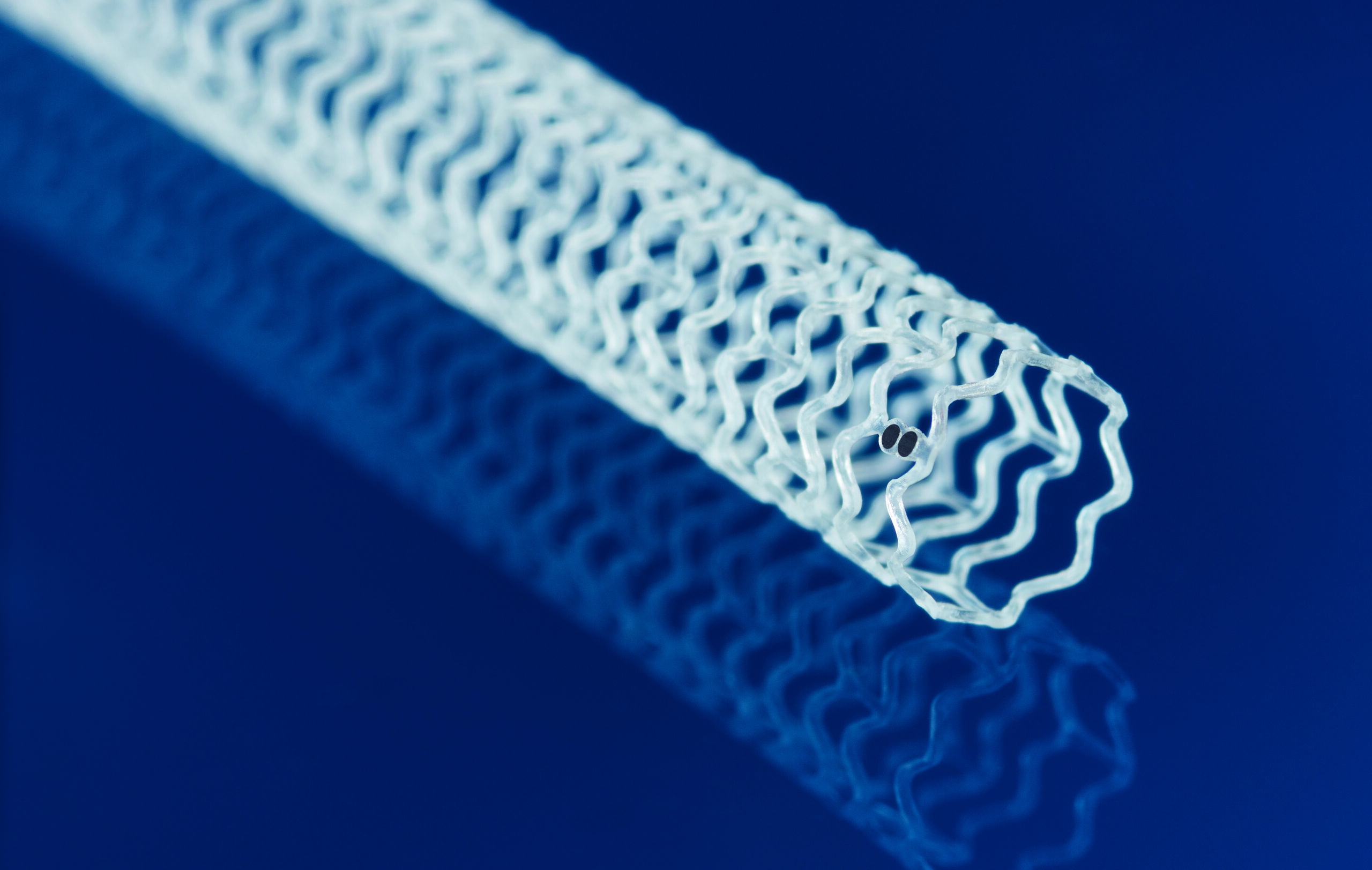
This advertorial is sponsored by Abbott. “We now have something on label and FDA [Food and Drug Administration] approved that we can use as a first-line therapy for tibial vessels,” Richard Pin, MD, chief of vascular surgery at Southcoast Health…