Brought to you by:

Researchers develop machine learning models to predict IVC filter complications

Researchers in Canada have developed machine learning (ML) models that they claim, “can accurately predict one-year IVC [inferior vena cava] filter complications, performing better than logistic regression”. Writing in the Journal of Vascular Surgery: Venous and Lymphatic Disorders (JVS-VL), Ben…
Venous VQI celebrates decade milestone
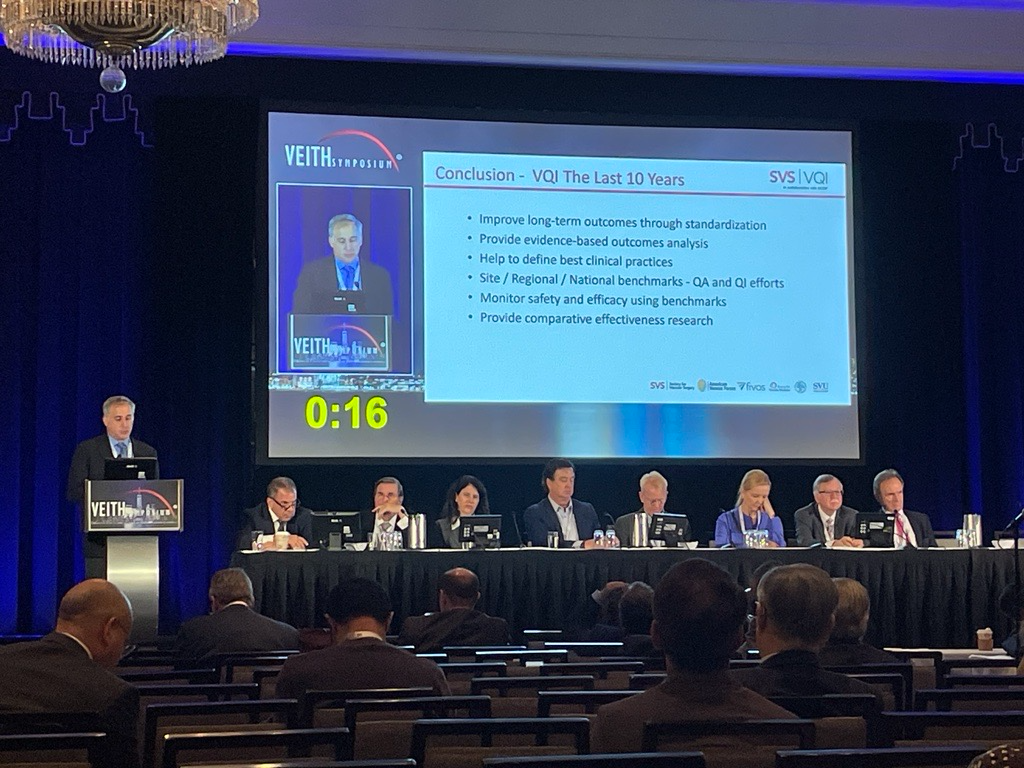
At the recent VEITHsymposium (Nov. 19–23) in New York City, Marc Passman, MD, reflected on the achievements of the Society for Vascular Surgery (SVS) Vascular Quality Initiative (VQI) venous arm, in collaboration with the American Venous Forum (AVF), since its…
U.S. study highlights racial and ethnic disparities in the placement of ‘overused’ IVC filters

A nationwide U.S. study, recently published in the Journal of Vascular Surgery: Venous and Lymphatic Disorders (JVS-VL), showed that Black patients had the highest inferior vena cava (IVC) filter placement rate per 100,000 persons compared with white and Latino patients…
NESVS 2023: Novel IVC filter retrieval device slashes procedural time and radiation exposure during in vivo experiments, Yale researchers report
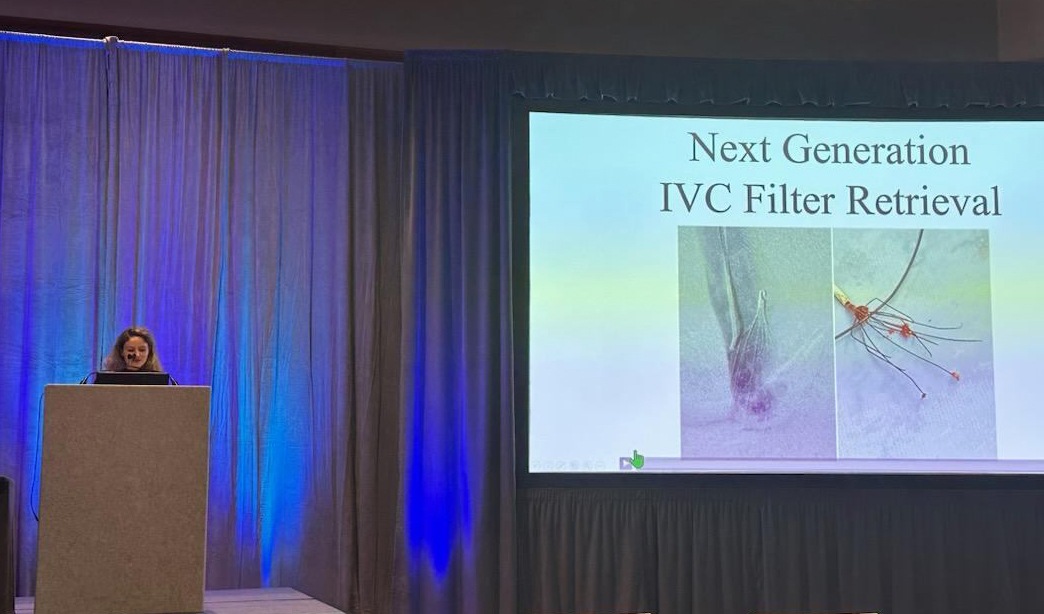
An inferior vena cava (IVC) filter retrieval device dubbed the next-generation in removal of the venous thromboembolism-fighting tools could substantially cut procedural times and radiation exposure, according to data emerging out of in vivo testing at Yale University. The Articulating…
Study finds no correlation between IVC filter placement position and device complications

Researchers report that inferior vena cava (IVC) filter placement position relative to the level of the most inferior renal vein was not associated with differences in IVC thrombosis in a recent single-centre cohort study. Additional key findings from the study…