Brought to you by:

Bentley, Cook Medical enter US distribution agreement for BeBack device
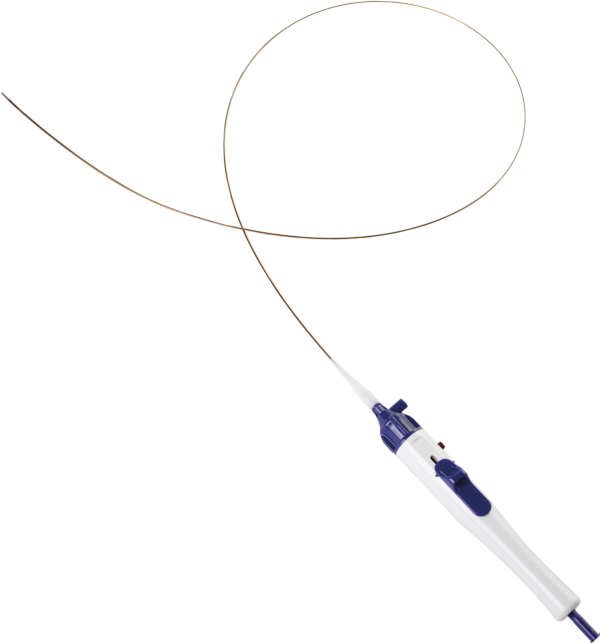
Cook Medical and Bentley today announced a distribution agreement for the BeBack crossing catheter in the U.S., with Cook assuming commercial responsibilities for the Bentley product in the coming months. The BeBack device is designed for steering through chronic total…
U.S. study highlights racial and ethnic disparities in the placement of ‘overused’ IVC filters

A nationwide U.S. study, recently published in the Journal of Vascular Surgery: Venous and Lymphatic Disorders (JVS-VL), showed that Black patients had the highest inferior vena cava (IVC) filter placement rate per 100,000 persons compared with white and Latino patients…
Mechanical thrombectomy demonstrates superior outcomes to anticoagulation in DVT patients, analysis of RCT and registry data shows

Mechanical thrombectomy using the ClotTriever device (Inari Medical) for iliofemoral deep vein thrombosis (DVT) was found to be “associated with significantly” lower Villalta scores and a lower incidence of post-thrombotic syndrome (PTS) out to 12 months compared with treatment using anticoagulation,…
Large administrative databases enter crosshairs as comparative analysis shows percutaneous mechanical thrombectomy as superior to CDT for acute PE
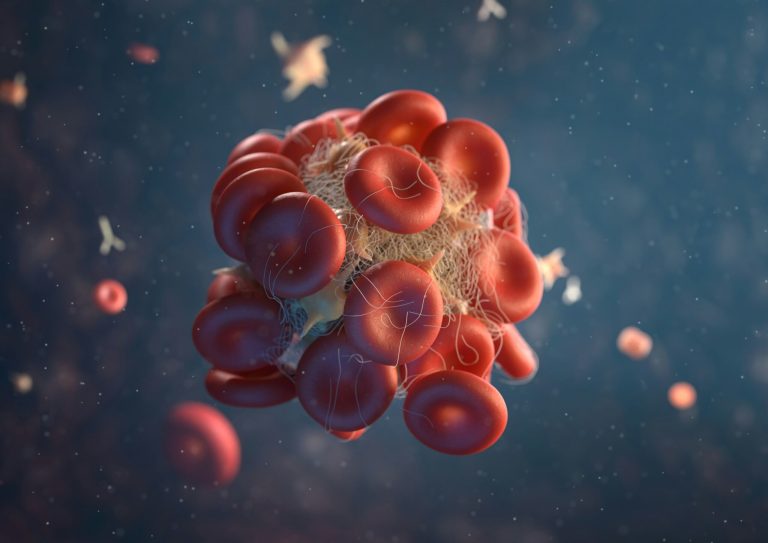
The pitfalls of large administrative databases came to the fore during the presentation of a propensity-match scoring analysis demonstrating that percutaneous mechanical thrombectomy (MT) was superior to catheter-directed thrombolysis (CDT) in patients diagnosed with acute pulmonary embolism (PE). Junji Taukagoshi,…
Nitinol stents placed in iliac veins “not associated with prolonged back pain,” study finds
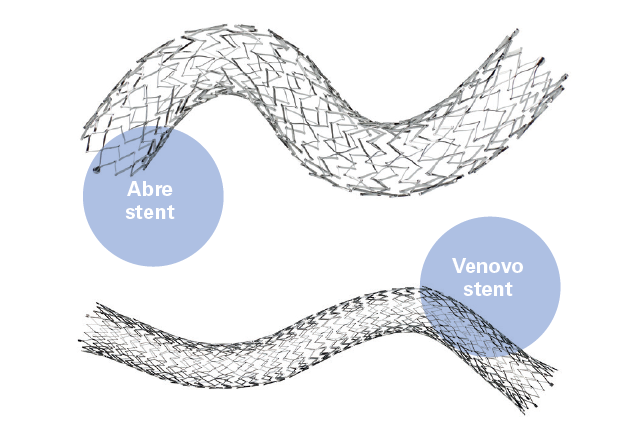
In a retrospective review of over 600 patients who underwent iliac vein stent placement, the development of back pain was found to be unrelated to stent type, diameter, length or covered vein territory. Chloe Snow (Greenbelt, USA) and colleagues share…
Trial assessing AI-powered tissue microsensor technology in PAD begins enrollment

Sensome has announced enrollment of the first patients into a feasibility clinical study using the Clotild smart guidewire in peripheral arterial disease (PAD). Clotild was designated a breakthrough medical device for use in brain arteries by the Food and Drug Administration (FDA)…
Measuring plaque inflammation via SCAIL scores may improve carotid stenosis risk stratification

The use of a relatively novel scoring system, referred to as Symptomatic carotid atheroma inflammation lumen-stenosis (SCAIL), has produced favourable predictive qualities versus the Oxford carotid stenosis tool (OCST) and Essen stroke risk score (ESRS). According to researchers, the SCAIL…
Midterm CARAS study results show cerebral ischaemic event incidence “should not be underestimated”

The final publication of midterm results from the observational CARAS study suggest that cerebral ischaemic event (CIE) incidence in asymptomatic carotid stenosis patients “should not be underestimated”, so say authors Rodolfo Pini (University of Bologna, Italy) and colleagues, relaying these…
No increased risk of complications found with transradial access for carotid artery stenting

Carotid artery stenting (CAS) delivered via transradial artery access has demonstrated no increased risk of stroke, death, myocardial infarction, transient ischaemic attack, or access site complications, as compared to the more traditional transfemoral approach. That is the concluding finding of…
No relationship found between DW-MRI lesions and long-term stroke risk following carotid revascularisation

A secondary analysis of existing clinical trial data has indicated that new ischaemic brain lesions detected via diffusion-weighted magnetic resonance imaging (DW-MRI) following carotid artery revascularisation—either with carotid artery stenting (CAS) or carotid endarterectomy (CEA)—do not appear to have a…