Brought to you by:

Signal-to-noise ratio: Thoughts on fine-tuning feedback during vascular surgery training
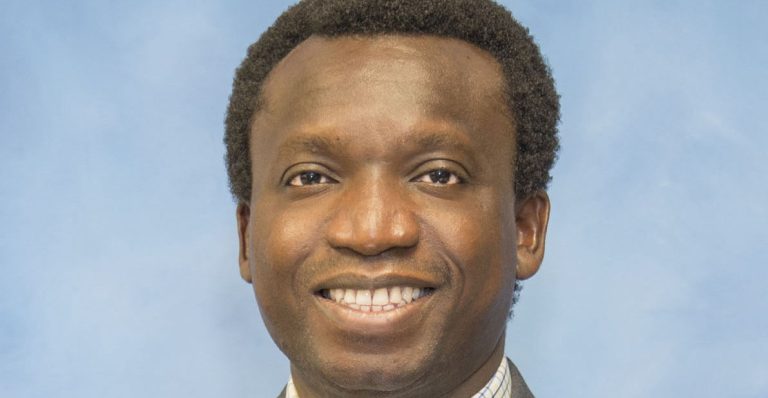
I recently took the Registered Physician in Vascular Interpretation (RPVI) exam. While studying for it, one of the concepts that stood out was the signal-to-noise ratio (SNR) in vascular ultrasound, and how it accounted for the quality of images. Don’t…
Pioneering center reports ‘moderate’ success rate with Fiber Optic RealShape technology in first 50 patients
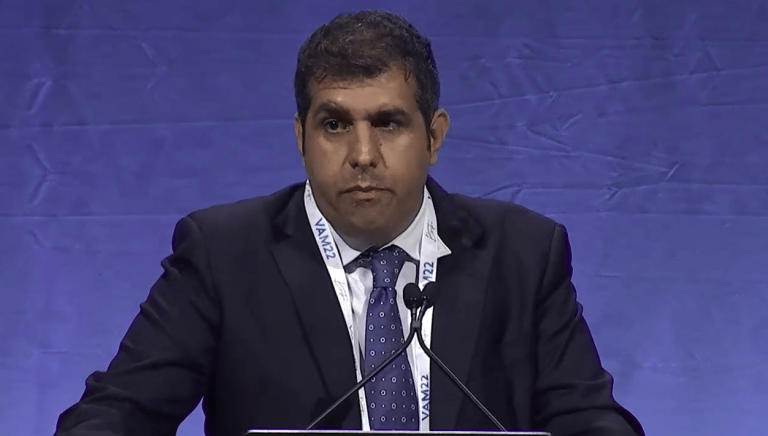
Vascular surgeons from the medical center that pioneered use of the radiation-lowering Fiber Optic RealShape (FORS) imaging modality reported a 62% technical success rate using the first-generation version of the technology across the first 50 procedures performed. The data were…
Artificial intelligence can predict risk of complications after endovascular aneurysm repair

Artificial intelligence (AI) models can be developed to predict the risk of postoperative complications after endovascular aneurysm repair (EVAR) with “high accuracy,” research presented at the 2022 Vascular Annual Meeting (VAM) in Boston (June 15–18) demonstrated. “Complications after EVAR can…
New project will develop nanoparticles with imaging and medicine-delivery capabilities to better treat PAD

A University of Texas at Arlington bioengineer is leading a project to develop biodegradable nanomaterials that will take pictures and deliver medicine to combat peripheral arterial disease (PAD), the university announced in a press release. Kytai Nguyen, a UTA bioengineering…
Silent coronary ischemia: FFRCT reduces cardiac death, myocardial infarction in carotid endarterectomy patients out to three years, study finds

Diagnosis of silent, or unsuspected, coronary ischemia in patients undergoing carotid endarterectomy (CEA) using fractional flow reserve-computed tomography (FFRCT), with selective postoperative coronary revascularization, significantly reduced cardiovascular death, cardiac death and myocardial infarction through three years of follow-up when compared…
A modest proposal: Let’s eat the trauma surgeons

Well folks, after more than two years of the pandemic, racial injustice, and medical misinformation, I have decided it is time to return to writing about what I truly love: fake feuds with other specialties. Remember the heady days of…
FDA advisory panel issues recommendations on lifelong surveillance for EVAR

The Food and Drug Administration (FDA) recently announced it has issued a letter to healthcare providers emphasizing the importance of lifelong surveillance, including imaging, for patients with abdominal aortic aneurysm (AAA) endovascular aneurysm repair (EVAR). “Regular imaging surveillance, within 30-days…
Worldwide TCAR analysis provides ‘roadmap’ to evaluate future training approaches
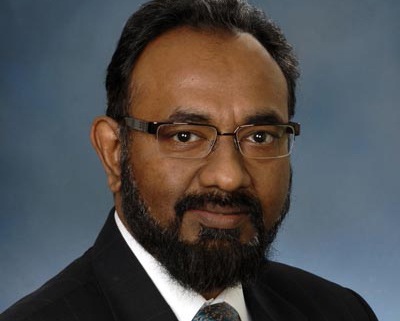
An analysis of the worldwide experience of transcarotid artery revascularization (TCAR) has produced key objective proficiency metrics and an analytic framework to assess adequate training for the procedure. “Training on cadavers or synthetic models achieved clinical outcomes, technical outcomes and…
The top 10 most popular Vascular Specialist stories in September

Five-year data from the ACST-2 trial comparing carotid endarterectomy and carotid artery stenting, a report from the Crawford Forum at the 2021 Vascular Annual Meeting (VAM), and an Eastern Vascular Society (EVS) annual meeting piece reporting on vascular surgery as…
New imaging technique has potential to identify patients at high risk of aortic degeneration, research finds

Four-dimensional (4D) flow magnetic resonance imaging (MRI) has the potential to identify patients with a higher risk of severe complications from aortic degeneration, according to research published in JACC: Cardiovascular Imaging. The study employed a 4D flow MRI heatmap concept to…