Brought to you by:

F/BEVAR review reveals less than 20% of patients suffered intraoperative adverse event

A retrospective evaluation of 600 fenestrated or branched endovascular aneurysm repairs (F/BEVARs) for the treatment of complex aneurysms revealed that fewer than one in five patients experienced an intraoperative adverse event, according to a press release announcing study results published…
Radiation protection: Lightweight shield designed to reduce dose during complex endovascular procedures gains ground
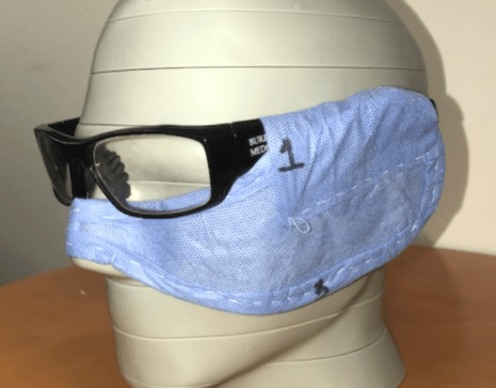
It all started with a “we should do research together; this is fascinating.” The result—the production of a prototype eyewear that decreases radiation to the eye and brain—is the more-than-decade-long toil of Melissa Kirkwood, MD, and colleagues at UT Southwestern…
US IDE Aortic Research Consortium ‘pushes the envelope’ on F/BEVAR
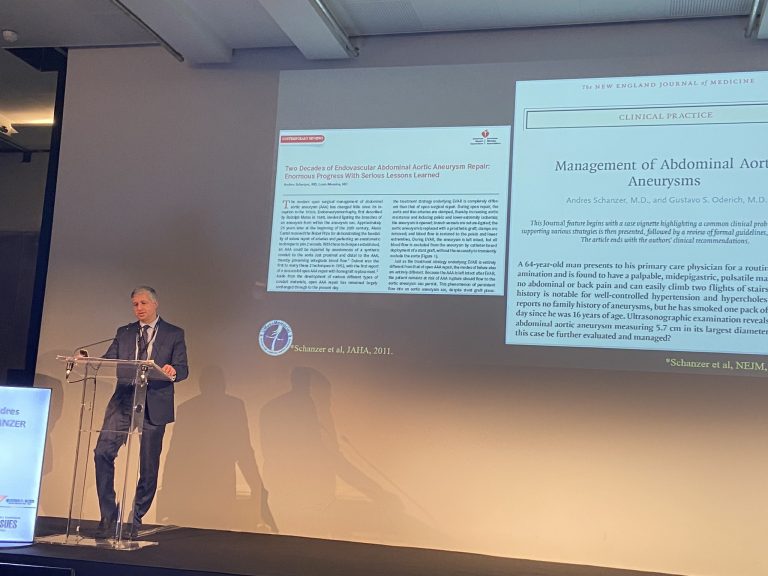
The U.S. investigational device exemption (IDE) Aortic Research Consortium has produced the strongest data so far on the use of fenestrated/branched endovascular aneurysm repair (F/BEVAR), Andres Schanzer, MD, professor and chief of vascular surgery at the University of Massachusetts Medical School…
Lead vascular surgeon on first use of Fiber Optic RealShape in US hails advance
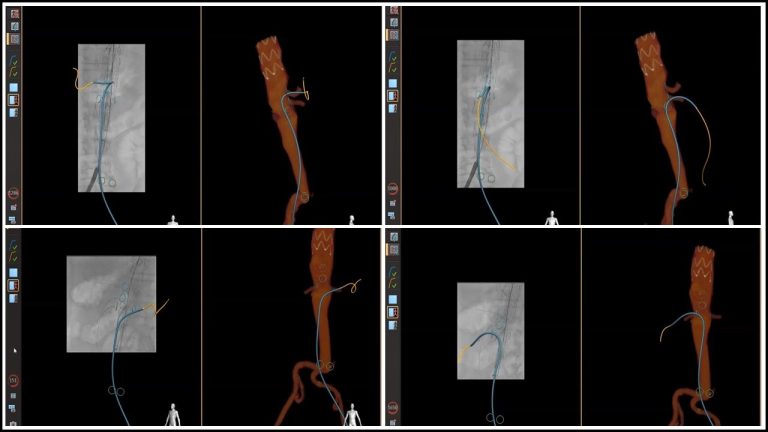
Vascular surgeons at the University of Massachusetts became the first in the United States to carry out procedures using the breakthrough imaging technology Fiber Optic RealShape (FORS) last month, reporting a 75% decrease in fluoroscopy use after one of their…
BUTTERFLY study finds most reinterventions after FEVAR are not related to balloon-expandable covered stent use

A mid-term assessment of bridging stentgraft integrity and flare geometry following fenestrated endovascular aortic repair (FEVAR) finds that, although there is a substantial reintervention rate post-procedurally, most are not related to the use of balloon-expandable covered stents (BECS). This is…
First patient treated in the BeGraft FEVAR study aimed at providing evidence for on-label use
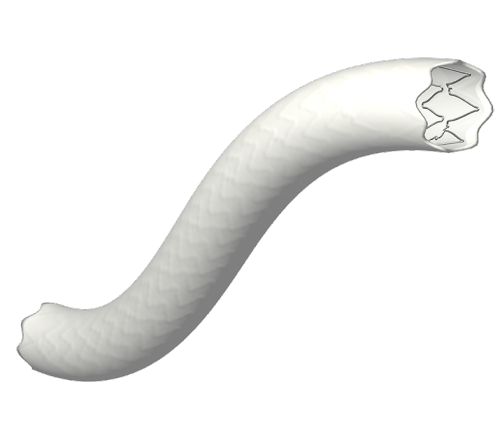
The first patient has been included in the BeGraft fenestrated endovascular aneurysm repair (FEVAR) study investigating the Bentley BeGraft peripheral balloon expandable covered stent in complex aortic aneurysms. The patient was referred for FEVAR with a 6cm juxtarenal abdominal aortic…
Open repair linked to higher long-term survival in patients deemed off-label for EVAR

Open repair of aortic aneurysms is associated with higher long-term survival in patients who fall outside the confines of endovascular aneurysm repair (EVAR) instructions for use (IFU), and should therefore be favored over EVAR among this cohort, the annual meeting…
Aortic neck dilation after FEVAR leads to little clinical impact, new mid-term study data reveal

MIAMI—Data, gathered in a study on the impact of aortic neck dilation after fenestrated endovascular aortic aneurysm repair (FEVAR), show that the process does indeed occur after the procedure—but with minimal clinical implications. For principal evidence, the researchers pointed out,…
An open letter to our hospital consultants
Dear hospital consultants: Just thought I would write and give you a quick update on our situation, not that you asked. As you recall, a few years ago we spent many hours discussing and planning the Heart and Vascular Service…