Brought to you by:
Better education, communication may help reduce disparities in dialysis care

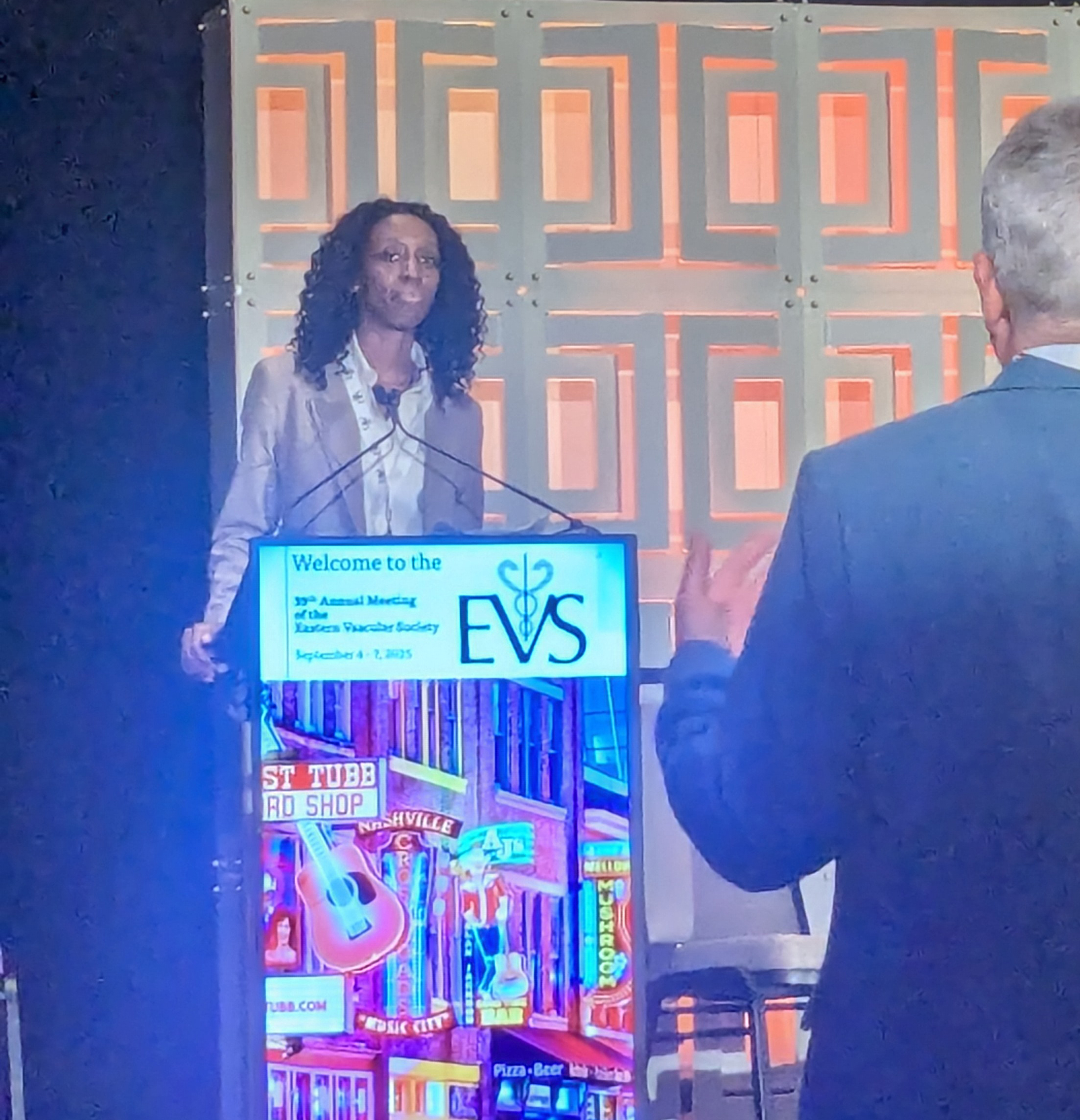
Disparities in vascular access outcomes are driven less by biology and more by inequities in education and communication, according to Karen Woo, MD, PhD, professor of surgery at the UCLA David Geffen School of Medicine. During a session focused on…
Interim results of covered stent-graft hint at ‘new avenue’ in dialysis access treatment
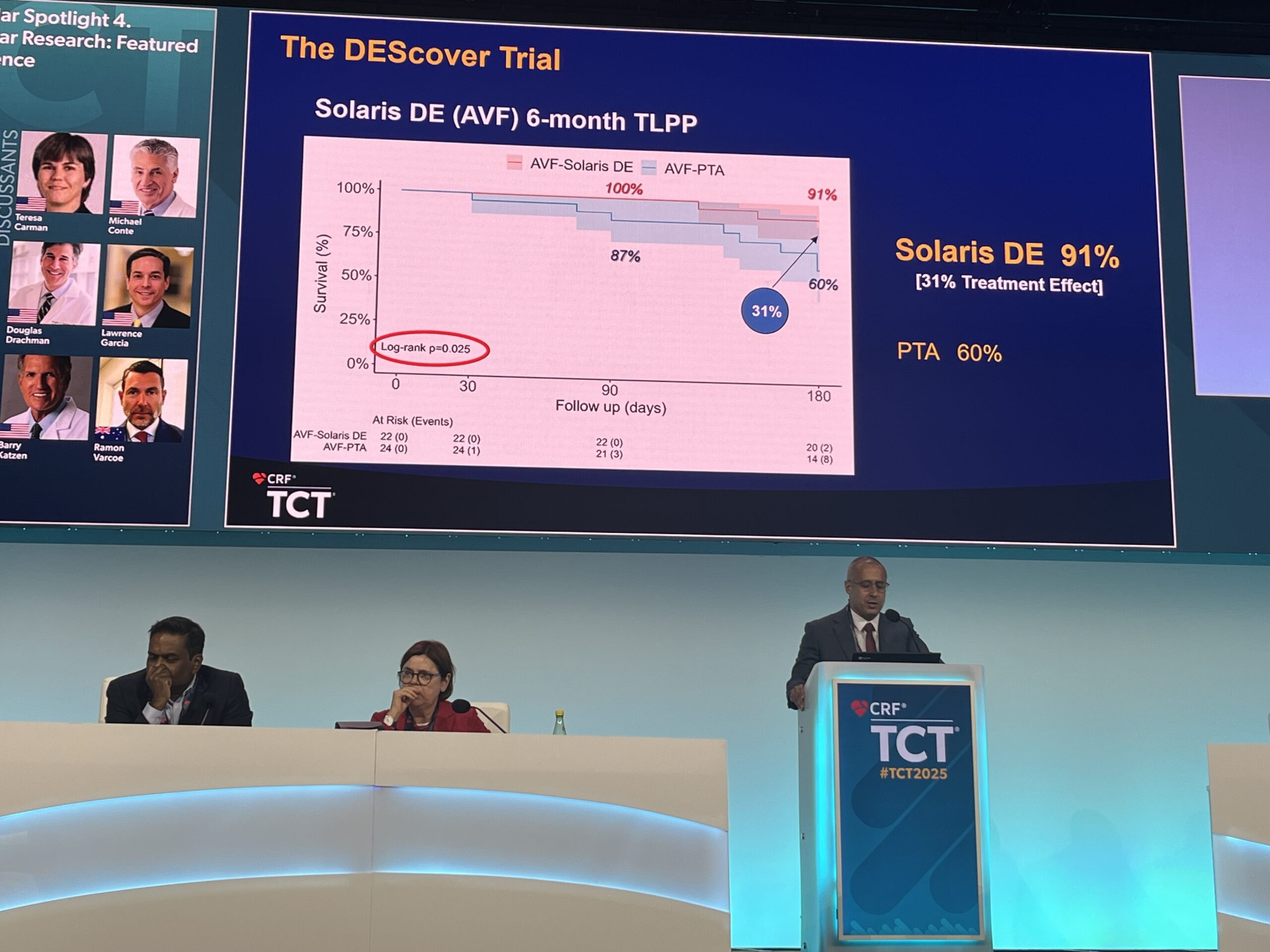
The interim results of a first-in-human trial of a sirolimus-eluting covered stent graft—Solaris DE (Solaris Endovascular)—for the treatment of dialysis access dysfunction demonstrate the promise of the device in treating vascular access outflow stenosis, an investigator in the trial has…
Mechanical thrombectomy system for AV access shows promise, study shows
A retrospective analysis of 64 patients treated between 2022 and 2025 using a novel mechanical thrombectomy system to treat dialysis access thrombus showed function was restored in 91% of those treated. Data from the study of the InThrill system (Stryker/…
Advancing dialysis access outcomes with extravascular support: A triangulated clinical research approach
This advertorial is sponsored by Laminate Medical. Arteriovenous fistula (AVF) creation remains one of the most frequent, yet frustrating procedures performed by vascular surgeons. While AVFs stand as a cornerstone of care for end-stage kidney disease (ESKD) patients, the reality…
Acellular tissue engineered vessel outperforms AVF in high-risk hemodialysis patients

Results from the CLN-PRO-V007 randomized controlled trial of Humacyte’s acellular tissue engineered vessel (ATEV) are set to be shared today during VAM 2025 Plenary 6 (10–11 a.m., First Floor, Great Hall A), showing several clinical benefits when compared to arteriovenous…
Early feasibility study for Velocity pAVF system now fully enrolled
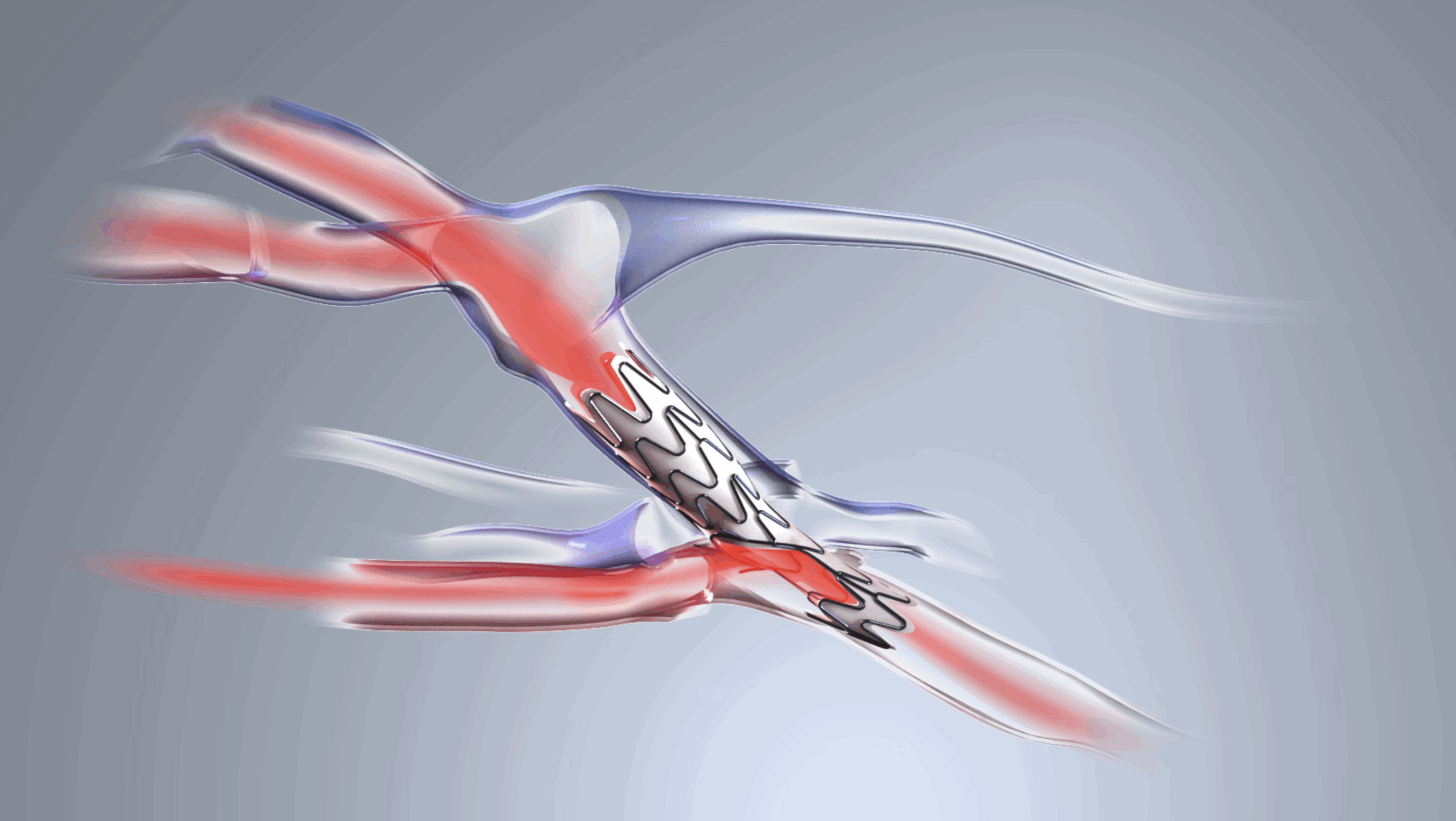
Venova Medical has announced the completion of patient enrollment in the company’s VENOS-2 early feasibility study of the Velocity percutaneous arteriovenous fistula (pAVF) system for hemodialysis access. The multicenter study is being performed under an Investigational Device Exemption (IDE) granted…
Novel bioabsorbable perivascular wrap aims to reduce AVF failure
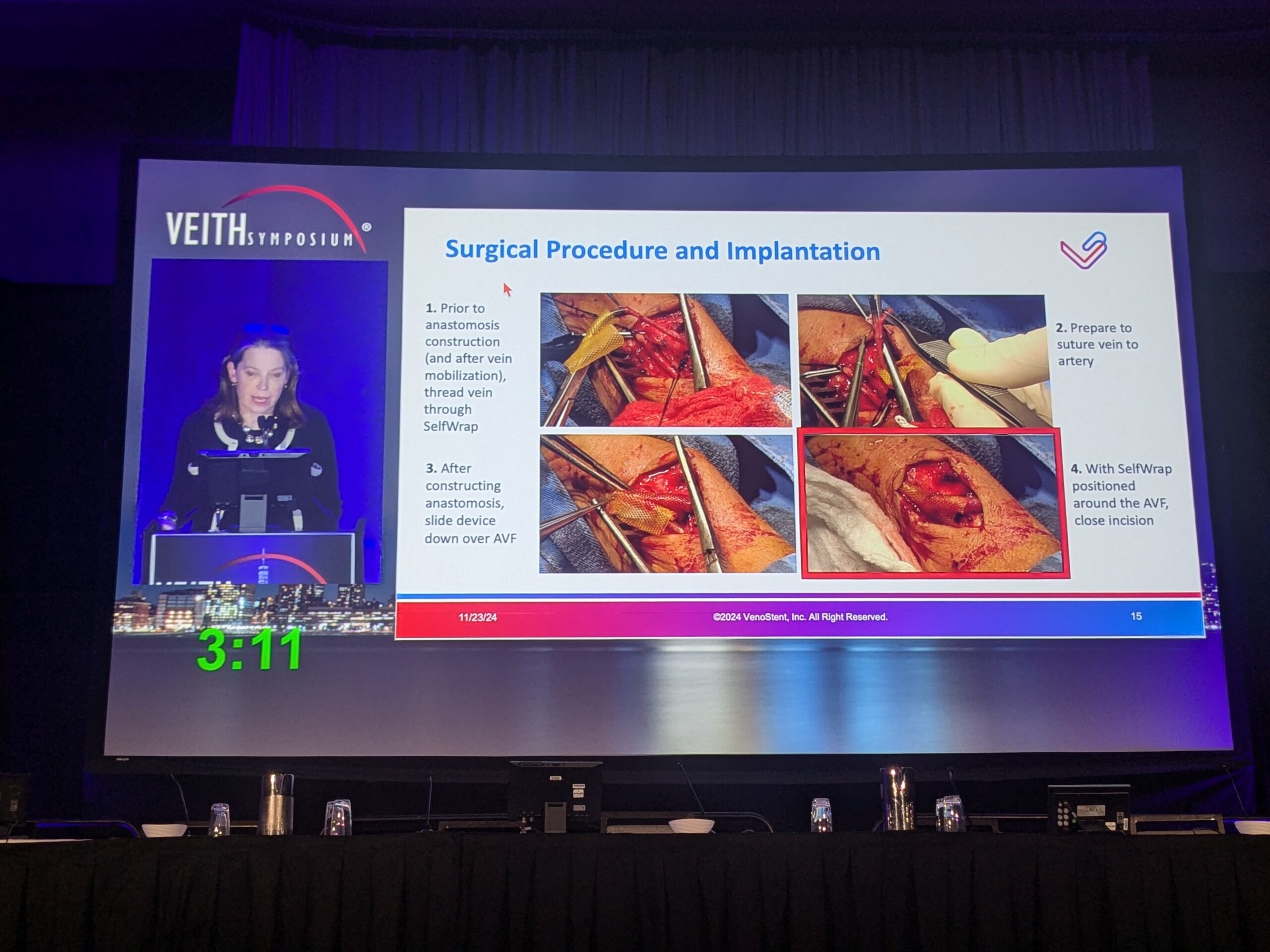
Ellen Dillavou, MD, division chief of vascular surgery at WakeMed Heart Center in Raleigh, North Carolina, primary investigator (PI) for the VenoStent trial, presented new data during the 2024 VEITHsymposium in New York City (Nov. 19–23) about the SelfWrap (VenoStent)…
When RCTs are essential for novel vascular access device regulation

As part of a 2024 VEITHsymposium (New York City; Nov. 19–23) debate, Robert E Lee, MD, a medical officer recently retired from the Food and Drug Administration (FDA), presented an argument in favor of when the use of randomized controlled…
WAVE trial AVG cohort also benefits at six months with Wrapsody
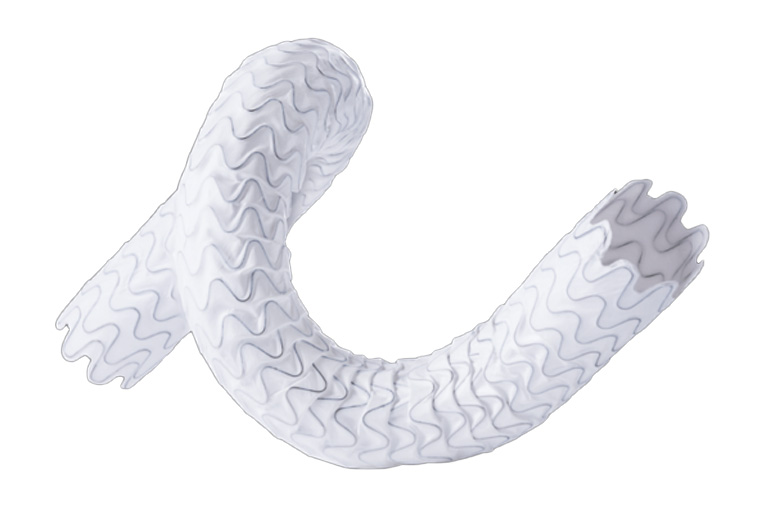
Newly released six-month results from single-arm arteriovenous graft (AVG) cohort in the WAVE (Wrapsody arteriovenous access efficacy) trial showed target lesion and access circuit primary patency rates of nearly 82% and 68.8%, respectively. The latest data on the Wrapsody cell-permeable…
Vascular external support system use found to boost key functional outcomes for surgical arteriovenous fistula creation
Alik Farber, MD, professor of surgery and radiology at Boston University, is set to present the results of a multicenter U.S. study at the 2024 Society for Clinical Vascular Surgery (SCVS) annual meeting (March 16–20) in Scottsdale, Arizona, that will…