Brought to you by:


Better education, communication may help reduce disparities in dialysis care
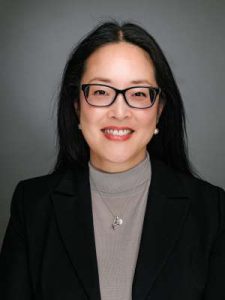
Disparities in vascular access outcomes are driven less by biology and more by inequities in education and communication, according to Karen Woo, MD, PhD, professor of surgery at the UCLA David Geffen School of Medicine.
During a session focused on health equity in end-stage kidney disease (ESKD) given at the 2026 Society for Clinical Vascular Surgery (SCVS) Annual Symposium (March 28–April 1), Woo said disparities in vascular access outcomes are well documented. She cited U.S. Renal Data System data showing Black patients experience the highest rates of primary patency loss. Black patients also have lower rates of kidney transplantation and are less likely to use peritoneal dialysis.
Woo challenged the tendency to frame racial disparities as biologic differences between groups. “There is only one race, the human race,” she said, quoting nephrologist Keith Norris, MD. “Racial and ethnic identities are socially assigned constructs that lead to inequitable distribution of health care resources, thus creating health disparities.”
Woo noted that many barriers faced by patients with ESKD — including limited access to information, transportation, financial resources and longitudinal care — disproportionately affect marginalized populations.
While systemic inequities can be difficult to solve, Woo highlighted patient education as an area where clinicians can make an immediate impact. After conducting interviews with more than 100 patients with ESKD, her research team repeatedly heard frustration about the lack of patient-centered educational resources. “One of the most common themes that we hear over and over is this patient population's thirst for knowledge about the disease and treatment options,” she said.
In response, Woo and her colleagues partnered with the patients to create an educational toolkit covering dialysis modalities, vascular access options and complications. The online resource also includes videos of patients discussing how they made treatment decisions.
During the session, Woo also focused on communication and listening. Data from internal medicine visits show patients are interrupted an average of 18 seconds after beginning to speak, often before completing their chief complaint. “Another recurring theme that we hear from our interview participants is that their clinicians don't listen to them,” she said.
Woo said simple changes in communication can help improve patient engagement. Rather than asking, “Do you have any questions?” she said clinicians should ask, “What questions do you have for me?” because this phrasing has been shown to increase the likelihood that patients will speak up.
“When we as health care professionals are curious and receptive to patient values, we can help patients make health care choices that are values based and goal concordant, which in turn improves patient centered outcomes,” said Woo. “I once had a patient start crying at the end of an interview. She said to me, ‘No doctor has ever listened to me the way that you just listened to me.’ One of the most important services that we can all offer our patients is the simple act of listening.”