Brought to you by:

SWEDEPAD unplanned interim analysis shows no difference in all-cause mortality for paclitaxel devices

An unplanned interim analysis of the registry-based SWEDEPAD clinical trial, in which patients with peripheral arterial disease (PAD) received treatment with paclitaxel-coated (drug-coated balloons or drug-eluting stents) or uncoated endovascular devices, “did not show a difference between the groups in…
New analysis finds DCBs lead to greater four-year survival after fempop revascularization
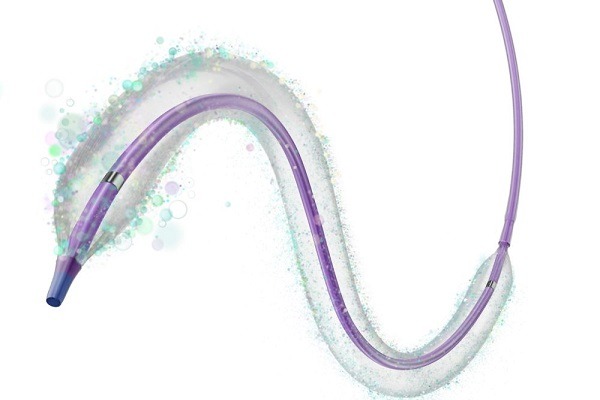
Patients treated with a paclitaxel-coated balloon saw greater survival, freedom from amputation and amputation-free survival through four-year follow-up after their initial femoropopliteal revascularization operation than those who received treatment using an uncoated device, researchers behind a propensity-matched retrospective review at…
TCT 2020 late-breaking trials session features new data on drug-coated devices

Findings from a series of late-breaking trials in the endovascular field were delivered recently at TCT Connect (Oct. 14–18), the 32nd annual scientific symposium of the Cardiovascular Research Foundation (CRF), held virtually, with the first from Connie N. Hess, MD,…
Vascular surgeons encouraged to consult talking points document on paclitaxel devices
Vascular surgeons are being encouraged to take consideration of a set of talking points about the risks and benefits of paclitaxel-equipped devices—which has been developed by a multispecialty panel of medical societies—in discussions with their patients. The document is the…
‘No signal of increased risk of long-term mortality’ with paclitaxel-coated Luminor DCB, EffPac trial finds

An ad hoc, two-year analysis of the EffPac study found no signal of increased risk of long-term mortality, nor any adverse events, within two years of drug-coated balloon (DCB) angioplasty using a Luminor-35 device (iVascular). This was the conclusion presented by…
IN.PACT Admiral DCB shows ‘significant advantage’ over uncoated devices in fempop artery treatment analysis

The IN.PACT Admiral drug-coated balloon (DCB) demonstrated a significant advantage in overall survival, amputation-free survival and target-lesion revascularization after femoropopliteal artery treatment through four-year follow-up when compared to uncoated balloons, a single-institution, retrospective review that tackled a head-to-head comparison between…
Six-month IN.PACT AV Access results show superiority of DCB angioplasty

Just-published six-month results of the IN.PACT AV Access study show that drug-coated balloon (DCB) angioplasty is superior to standard angioplasty for the treatment of stenotic lesions in dysfunctional hemodialysis arteriovenous fistulas (AVFs). Furthermore, it was found to be non-inferior with…
MHRA: Warning to be added to paclitaxel device IFUs in Europe
In a new field safety notice, the U.K. Medicines and Healthcare products Regulatory Agency (MHRA) states that a warning and clinical summary section will be added to the instructions for use (IFU) of 12 paclitaxel-coated balloons and paclitaxel-eluting stents used in…
Drug-coated technology question aired during SAVS opening session

PALM BEACH, Fla.—Discussion of the drug-coated technology issue was piqued during the opening session of the Southern Association for Vascular Surgery (SAVS) annual meeting (Jan. 8–11) in Palm Beach, Florida. William P. Robinson III, MD, professor and chief in the…
SVS president presents point-by-point defense of Society position on paclitaxel controversy
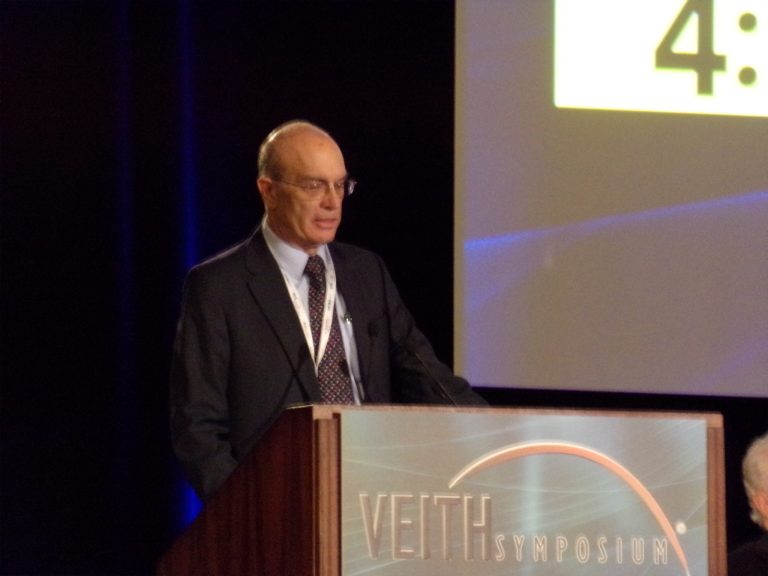
NEW YORK—Kim Hodgson, MD, president of the Society for Vascular Surgery, delivered a robust defense of the SVS position on the drug-coated balloon (DCB) and drug-eluting stent (DES) issue that is currently enveloping the vascular community during the 2019 iteration…