Brought to you by:
Trial assessing AI-powered tissue microsensor technology in PAD begins enrollment

Sensome has announced enrollment of the first patients into a feasibility clinical study using the Clotild smart guidewire in peripheral arterial disease (PAD). Clotild was designated a breakthrough medical device for use in brain arteries by the Food and Drug Administration (FDA)…
University of Pittsburgh awards $100,000 grant to SVS member for AI-based healthcare project
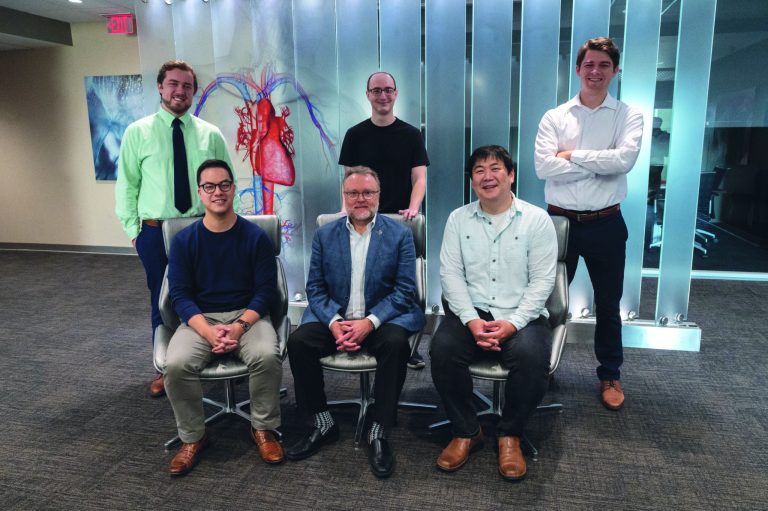
Last October, the University Pittsburgh’s Clinical and Translational Sciences Institute hosted its 10th Pitt Innovation Challenge (PinCh), providing a total of $550,000 in prizes, with the top-three winners each receiving a $100,000 grand prize. PinCh 2023 announced that SVS member…
EVS 2023: Putting artificial intelligence to use in vascular practice
The potential for large language-learning models like ChatGPT to take over tedious writing tasks such as emails and parts of PowerPoint presentations—or even be put to use to help collate Current Procedural Terminology (CPT) code data—was put to attendees of…
New clinical data support AI solution for improved PE detection and care coordination
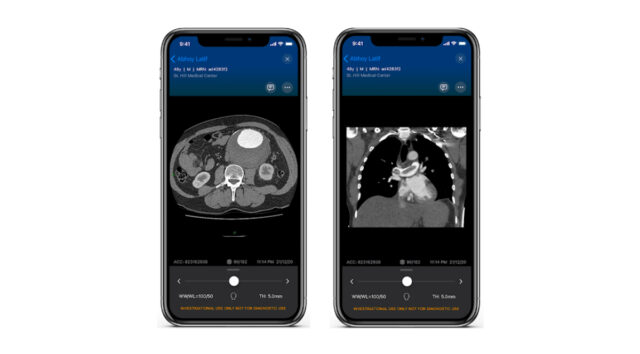
Viz.ai has announced new clinical data supporting advancements in pulmonary embolism (PE) detection. Two studies have demonstrated the real-world clinical efficacy of Viz.ai’s PE module to quickly and accurately identify PE and associated right heart strain, accelerate care coordination, and improve healthcare…
First patient treated in global strategic collaboration involving Cydar Maps technology
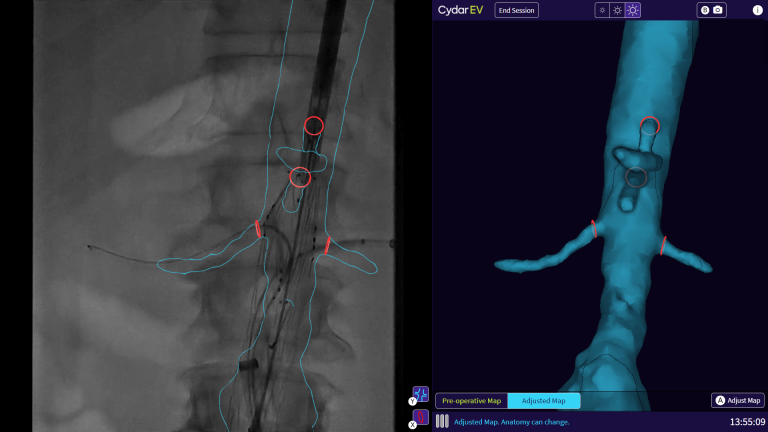
Cydar Medical has announced the successful treatment of the first patient in a strategic collaboration with Medtronic. The collaboration, which spans 40 sites across the U.S., UK and Europe, involves the integration of the company’s Cydar Maps software with Medtronic’s…
‘Vascular surgery should be a key member of pulmonary embolism response teams’
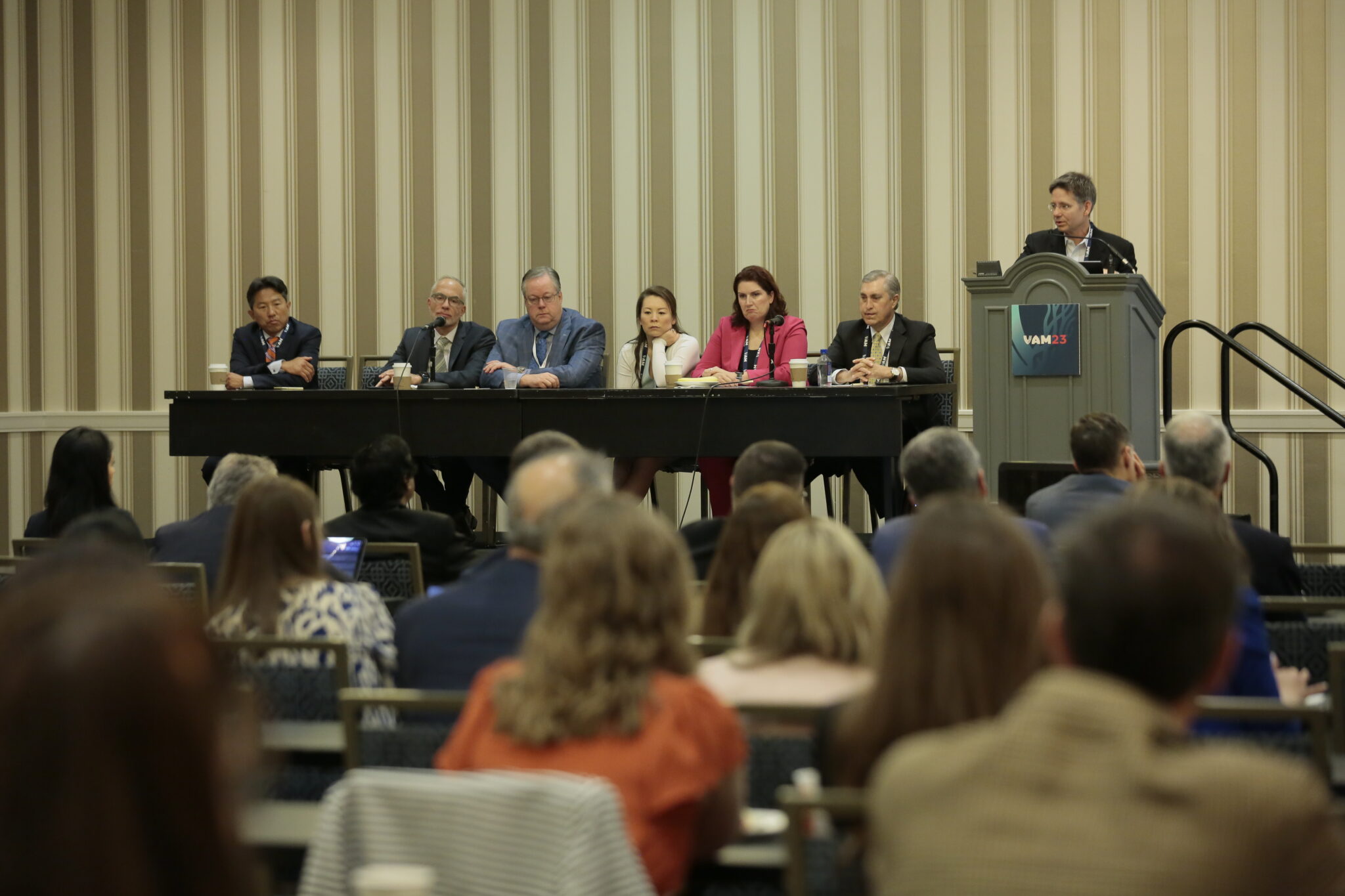
“PERT care is the coalition of the willing,” quipped Dennis Gable, MD, a vascular surgeon at Texas Vascular Associates in Plano, Texas. He was referring to team-based care for pulmonary embolism (PE) patients and how, unlike acute stroke intervention and…
New study reports positive performance of AI-powered assessment of biomarkers for growth prediction of AAAs
The characterization of aortic tissue by means of three key biomechanics-based biomarkers bundled into a compound Regional Areas of Weakness (RAW) Map showed “very good performance” as part of an artificial intelligence (AI)-based prediction of faster than average growth for…
Bias and the silver bullet: Gender partiality seen within AI algorithms for AAA identification

Artificial intelligence (AI) has become a central focus within various spheres, from commerce to medicine—including applications in patient care. Sharon Kiang, MD, talks to Vascular Specialist about the specter of bias and how a “hybrid” approach between AI and human…
Creating an AI-based tool to help clinicians perform precision AAA analysis
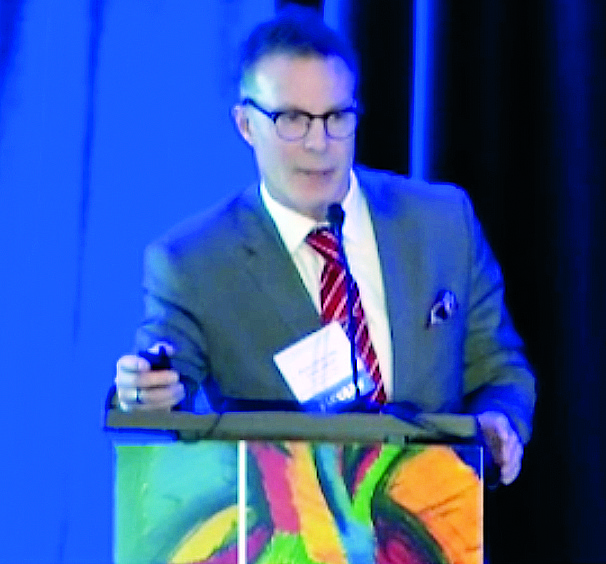
For University of Calgary, Alberta, Canada, vascular surgeon Randy Moore, MD, the route to a world of precision care for individual abdominal aortic aneurysm (AAA) patients—involving aortic wall strength-mapping technology developed over the course of the last 15 years, allied…
STEVECO trial calls into question randomization in the venous stenting field
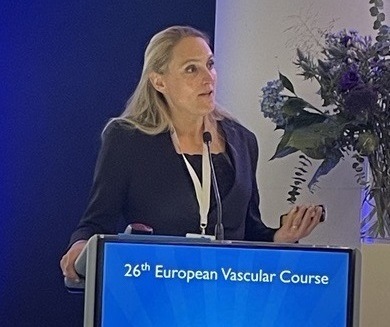
Recruitment proved to be a major challenge for the STEVECO (Stent versus conservative treatment in patients with deep venous obstruction) randomized controlled trial (RCT), prompting discussion on how best to randomize patients in future trials, the ethics of doing so,…