Brought to you by:
Letter from Seattle: Amid COVID-19 pandemic, time to act is long past due
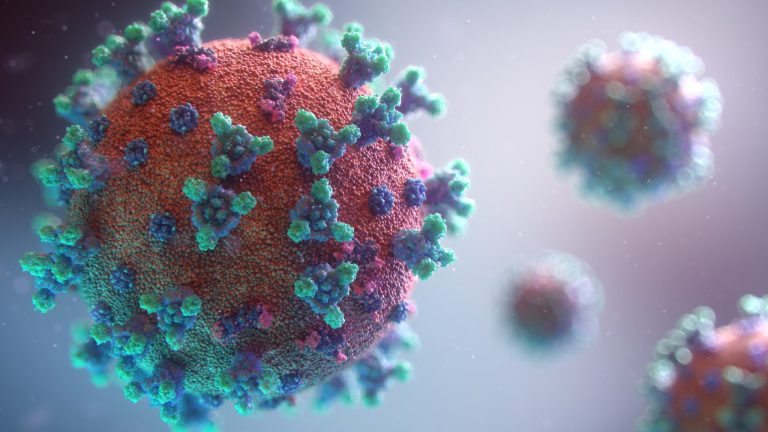
SEATTLE—We live in unprecedented times. On Jan. 19, patient zero arrived in the United States at Seattle-Tacoma International Airport after returning from a visit to his family in Wuhan, China. He tested positive for COVID-19 on Jan. 20. Fast forward…
Early adaptation of SVS, STS TBAD joint document will drive robust body of work for comparison

The Society for Vascular Surgery (SVS) and the Society of Thoracic Surgeons (STS) recently published a joint document on reporting standards for type B aortic dissection (TBAD). The purpose of this document was to establish a standardized language for presentation,…
How will coronavirus impact medical education?

The meeting, the seminar and the symposium: Collectively, this triumvirate of forum types forms one of the core elements of postgraduate medical education. These crucial arenas in which we get together with colleagues to present data and share experiences vary…
Deploying robust, detailed SVS VQI data to help better define role of paclitaxel technology in clinical practice
In December 2018, the Journal of the American Heart Association published “Risk of death following application of paclitaxel‐coated balloons and stents in the femoropopliteal artery of the leg: A systematic review and meta‐analysis of randomized controlled trials” by Konstantinos Katsanos…
Latest edition of USPSTF guidance produces essential reiteration, continuing to leave many patients at risk
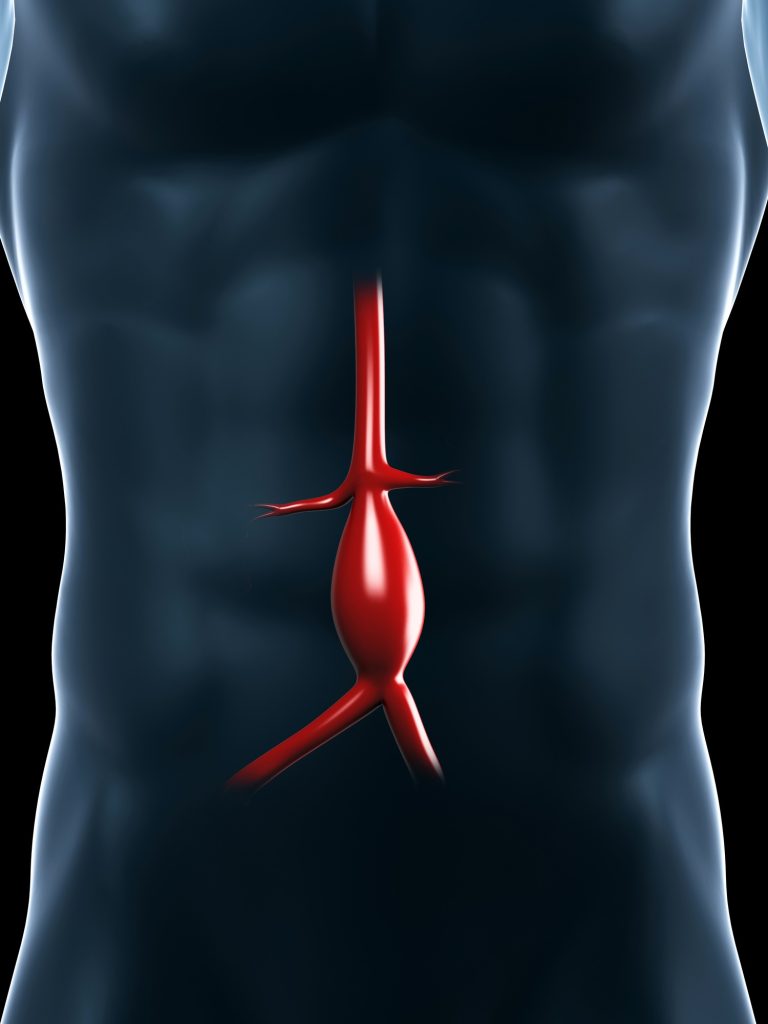
The United States Preventive Services Task Force (USPSTF) recently released an update to their 2014 abdominal aortic aneurysm (AAA) screening recommendations. The update is essentially a reiteration. They recommend a one-time screening with ultrasonography in asymptomatic men aged 65 to…
Global vascular guidelines for CLTI are gaining traction but work remains to raise awareness and delivery of care

The application of new global vascular guidelines for chronic limb-threatening ischemia (CLTI) provides an opportune and worthwhile window to revisit the concept of critical limb ischemia (CLI) along with its implications as a worldwide healthcare issue. Peripheral arterial disease (PAD)…
PEARLS: A mnemonic to help handle adversity

There is accumulating evidence that adverse clinical outcomes have a negative impact on the clinician. As vascular surgeons, we are particularly vulnerable to feelings of guilt, shame and self-doubt when we are confronted by a complication related to our actions.…
A call to address sexual harassment and gender discrimination in medicine

PART I Reports of sexual harassment and gender discrimination have dominated news headlines, and the #MeToo movement has brought the scope and severity of discriminatory behavior to the forefront of public consciousness. The #MeToo movement has raised national and global…
Legal duty to nonpatients: Driving accidents

Question: Driver D strikes a pedestrian after losing control of his vehicle from insulin-induced hypoglycemia. Both Driver D and pedestrian were seriously injured. Driver D was recently diagnosed with diabetes, and his physician had started him on insulin but did…
Who’s increasing health care costs? Not us!

Determining who is responsible for the increase in health care cost in the United States has seemingly limitless possibilities. There are enough culprits to go around, but a recent analysis points a finger at hospital-based care (Health Aff. 2019 Feb;38[2]:184-9).…