
A recent study suggests vascular surgeons may be overlooking a crucial element of post-procedural care: blood pressure management. The data, presented at the 2026 annual meeting of the Southern Association for Vascular Surgery (SAVS) in Paradise Island, the Bahamas (Jan. 21–24), found good hypertension control directly impacts amputation free survival (AFS) rates following revascularization for peripheral arterial disease (PAD).
The single-center study was led by researchers from the University of Michigan, Ann Arbor and examined 1,962 patients over nine years who underwent open and endovascular lower extremity revascularization. Findings showed patients with hypertension were at higher risk of amputation or death compared to those who maintained normotensive blood pressure levels, despite being prescribed antihypertensive agents.
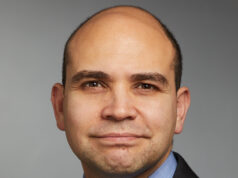
Peter Henke, MD, senior author on the study and section head of vascular surgery at the University of Michigan, Ann Arbor, said the findings should prompt vascular surgeons to reconsider their approach to hypertension. “Blood pressure management is often neglected because it’s something that is chronic,” said Henke. “It requires repeated visits often, and it requires expertise that is sometimes out of the standard teaching that vascular surgeons get. We typically just don’t know how to manage it as well.”
The study tracked AFS as the main outcome and patients were classified as normotensive (<130 mmHg), Stage I hypertension (130-140 mmHg), or Stage 2 (140+ mmHg). The results showed that normotensive patients had significantly better AFS compared to hypertensive patients. “The take home message is we really should focus on trying to get our patients in the normal intensive range as best as possible,” said Henke.
The data also found patients whose blood pressure readings fluctuated between visits showed decreased AFS compared to those with consistent readings. “Wide variability was actually associated with decreased AFS,” said Henke. “It’s a matter of patients taking their medication, and we think that reflects medication adherence.” He added that sometimes patients can be on medications but remain persistently hypertensive. “They may be trying to take them, or they’re taking them and need additional medicines added,” he said.
Henke said that the path forward involves better coordination between clinicians. “The big opportunity here is to pair with our vascular medicine colleagues that are specialists in this area to manage hypertension, as well as more aggressive lipid management.”
Although vascular medicine is part of fellowship and residency training, only recently has it been emphasized, said Henke. He added vascular surgeons have historically been focused on claudication and long-term management. “Many of us, myself included, probably think someone else is taking care of [blood pressure management] and refer them back to their cardiologist, vascular medicine doctor, or primary care physician,” said Henke. “We just really haven’t paid as close attention to it as we should.”
Vascular surgery training should incorporate some curriculum on medicine management, said Henke. “It doesn’t mean vascular surgeons are going to manage hypertension for a living but being more aware of it and knowing when to add a medication that’s safe should be part of the practice,” he added.
According to Henke, vascular surgeons now pay attention to antiplatelet therapies and lipid management much better than in the past. Hypertension should also get the same level of awareness. Looking ahead, Henke believes that more research to compare blood pressure management with routine care would be beneficial.
“One idea would be to have a prospective cohort of patients who have intensive medical management after their procedure as compared to routine care,” said Henke. “That could be a randomized controlled pragmatic study where you have some centers where vascular surgeons are paired with cardiology, vascular medicine or primary care and they coach the patients or follow up monthly to get some type of virtual readings of their blood pressure on a more intensive basis. I think that would be interesting to see.”