Brought to you by:

‘Treat the water, not just the pipes’: Addressing prevention in vascular care
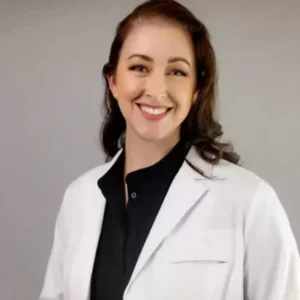
“The artery is ours and it should be all of it,” said Lily Johnston, MD. “Trying to reroute the blood flow without changing what runs through it is like changing the pipes in a house without addressing the toxic wastewater that corroded those pipes in the first place.”
During a session at VAM 2026, Johnston discussed several patients with peripheral artery disease (PAD) and other vascular conditions who did not currently require an operation but remained at high risk for future complications. These patients, she argued, represent some of the greatest opportunities for vascular surgeons to improve outcomes.
“None of these patients need an operation today, but they desperately still need our help,” said Johnston, a vascular surgeon at Scripps Clinic in San Diego, California. “I would argue that the non-operative patient is actually the best patient with the biggest window of opportunity for us to help them and prevent them from needing a morbid operation in the future.”
According to Johnston, vascular surgeons have traditionally focused on procedural interventions while leaving risk-factor modification and metabolic management to primary care physicians, cardiologists and endocrinologists. That approach may no longer be sufficient as evidence increasingly demonstrates the impact of aggressive medical therapy on cardiovascular and limb-related outcomes.
Johnston highlighted different areas of opportunity, including aggressive lipid management, expanded use of antithrombotic therapies and greater attention to metabolic disease. She said that while statins remain foundational, many patients fail to reach current guideline-recommended LDL cholesterol targets without additional therapies. Emerging evidence also suggests that even lower LDL targets may provide additional benefit.
The session also emphasized growing interest in therapies such as semaglutide, which have demonstrated cardiovascular benefits beyond weight loss alone.
“These agents are fundamentally changing the vascular biology,” said Johnston, citing data showing reductions in major adverse cardiovascular events that appear independent of the amount of weight lost.
Johnston noted that this shift toward cardiometabolic management is increasingly reflected in national guidelines and quality measures. Many of the latest performance metrics focus on risk-factor control rather than procedural outcomes alone. “All of the performance measures are about how we treat the water, not how we replace the pipes,” she said.
Rather than expecting every vascular surgeon to become an expert in metabolic medicine, Johnston outlined practical strategies for integrating prevention into practice. These included standardized checklists addressing antiplatelet therapy, LDL cholesterol goals, blood pressure control, diabetes management, tobacco cessation and lipoprotein(a) testing. She also encouraged building multidisciplinary partnerships with endocrinologists, pharmacists, advanced practice providers and prevention specialists.
Johnston argued that vascular surgeons are uniquely positioned to lead these efforts because they see firsthand the consequences of progressive vascular disease.
“We are the ones with the most radical sense of responsibility for these patients,” said Johnston. “We are the ones who have to go in that groin a third or fourth time to save the leg, or talk about amputation, dialysis or end of life. We get this in a way that the primary care doctor who has seen 100 patients that week just can’t.”
Johnston described cardiometabolic medicine as a potential “new frontier” for vascular surgery and suggested that preventing disease progression may ultimately have a greater impact than any new device or procedural innovation.
“If we do this right for our patients, it is going to revolutionize vascular surgery more than any new wire, stent or conduit because it is a disease-modifying treatment that is going to save lives and legs,” she said. “We know there are not enough vascular surgeons, but what if the solution to that were to reduce demand instead of trying to increase our supply? And would you as a surgeon find more joy in medicine if every operation you did were as durable as it deserves to be?”