Brought to you by:
Cannabis use disorder linked to greater odds of perioperative myocardial infarction in vascular surgery patients

Active cannabis use disorder was associated with significantly higher odds of perioperative myocardial infarction in vascular surgery patients, researchers reveal. Furthermore, people with the disorder were far likelier to have an acute perioperative stroke diagnosis when undergoing carotid endarterectomy, according…
Study shows novel AI technology is better predictor of stroke than traditional methods

Boston-based medical technology company Elucid Bio, maker of the Food and Drug Administration (FDA)-cleared and CE-marked vascuCAP software, announced Wednesday, July 1, that its novel artificial intelligence (AI) technology demonstrated a more than 70% improvement in accuracy of stroke prediction…
Endovascular aortic arch repair with three-vessel inner branches is safe, investigators find
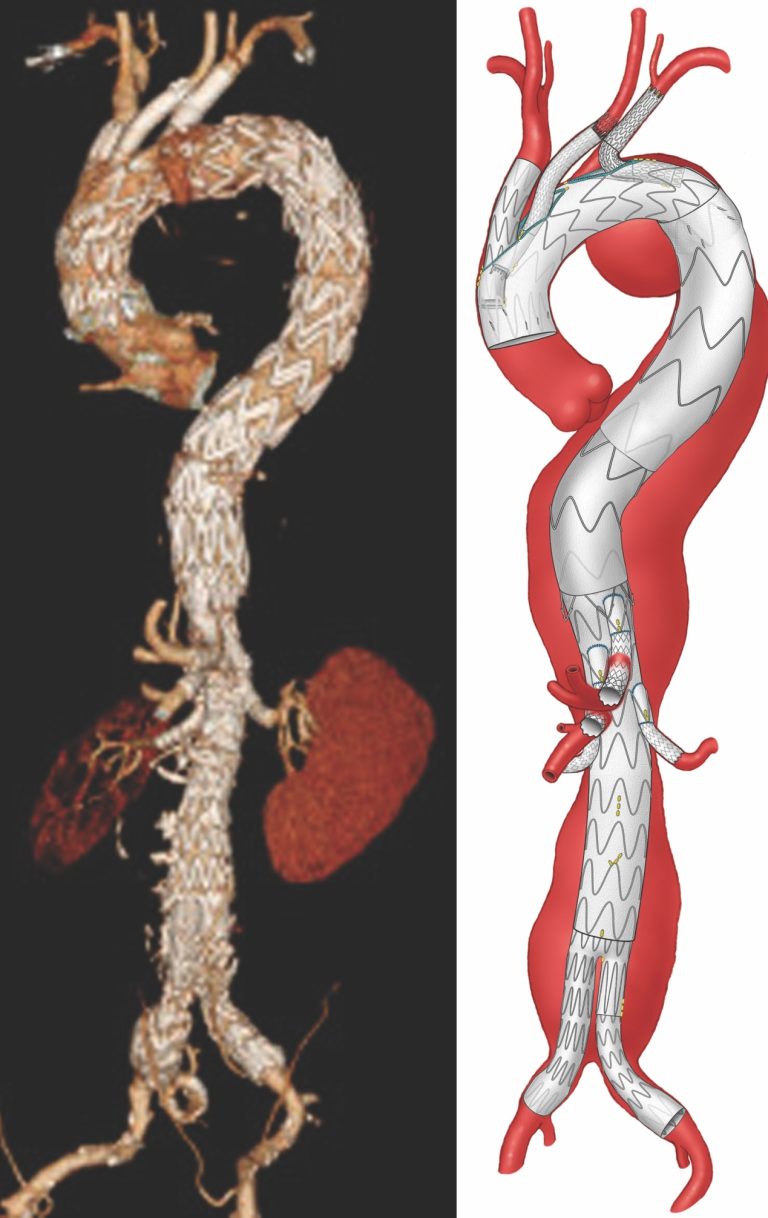
Total endovascular aortic arch repair for aneurysms and chronic dissections using three-vessel inner branch stent-grafts is technically feasible and safe, a multicenter global early feasibility study finds. “Mortality and stroke rates compare favorably to reported outcomes of total open surgical…
Lecture: How remote support systems will transform medical care

The prospect of remote stroke intervention may be the most exciting clinical application among the suite of benefits emerging from the ongoing transformation in surgical practice and education delivery, Alan Lumsden MD, the medical director of Houston Methodist DeBakey Heart…
TCAR outperforms transfemoral carotid artery stenting, ‘significantly’ lowering stroke and death risk
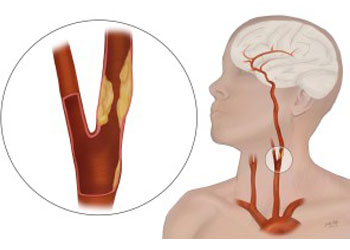
A study that set out to determine whether there was a lesser stroke or death risk by deploying transcarotid artery revascularization (TCAR) over the transfemoral approach among patients receiving treatment for carotid stenosis suggested a statistically significant advantage for the…
Elevated risk of AAAs among individuals suffering depression post-risk factor adjustment discovered in HUNT study

People with depressive symptoms have a significantly higher risk of incident abdominal aortic aneurysms (AAAs) after adjustments for established risk factors, a study published in the Journal of the American Heart Association found. “Symptoms of depression and risk of abdominal…