Brought to you by:
Payment for the new LER codes: It’s not just about the work

The new Current Procedural Terminology (CPT) codes and associated values for lower extremity revascularization (LER) took effect Jan. 1, 2026. These 46 new codes represent a significant update from the last time these codes were revised in 2011. As noted…
Coding workshop to cover 2025 updates

Registration for the annual Society for Vascular Surgery (SVS) Coding and Reimbursement Workshop—and optional evaluation and management (E/M) coding workshop—opened July 9 with early-bird registration available until Aug. 6. This 1.5-day intensive program, scheduled for Nov. 3–4 in Rosemont, Illinois,…
Endoscopic vein harvest under the microscope

Conflicting results open fresh debate around effect of vein harvesting technique on long-term patency of lower extremity bypass grafts. Two separate analyses that looked at the impact made by the method used to harvest great saphenous vein (GSV) on the…
Europe: ESVS publishes 2022 guidelines on management of chronic venous disease of the lower limb

The European Society for Vascular Surgery (ESVS) has released 2022 clinical practice guidelines on the management of chronic venous disease (CVD) of the lower limb to update its 2015 recommendations. The document, authored by Marianne De Maeseneer, MD, a venous…
Julie A. Freischlag becomes president of American College of Surgeons
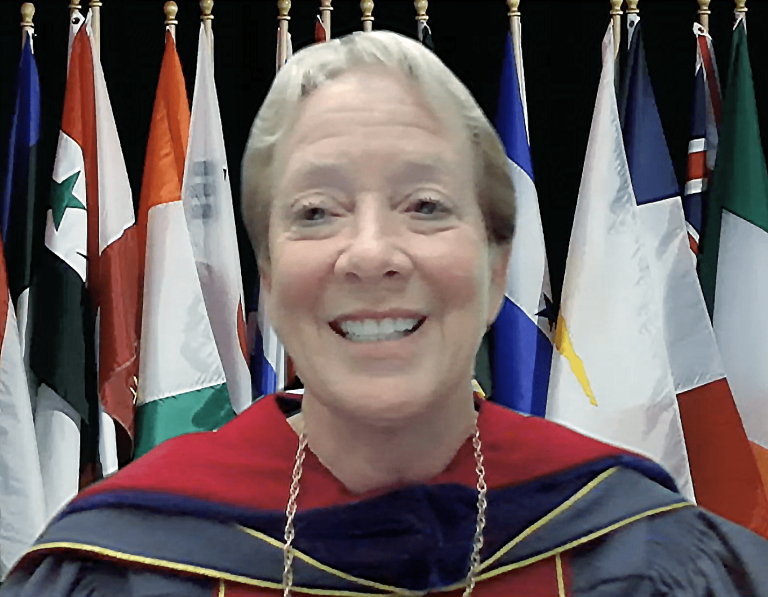
Newly installed American College of Surgeons (ACS) President Julie A. Freischlag, MD, called for her fellow surgeons to apply the principles that underpin enhanced recovery as medicine begins to emerge from the COVID-19 pandemic. The former Society for Vascular Surgery…
ACC.21: VOYAGER PAD shows rivaroxaban ‘significantly’ reduced total ischemic events in PAD patients

Rivaroxaban combined with low-dose aspirin led to a significant reduction in the occurrence of total ischemic events in patients with symptomatic peripheral arterial disease (PAD) who underwent lower-extremity revascularization, according to researchers conducting the VOYAGER PAD trial. The findings were…
Intravascular shunts improve early limb salvage after extremity vascular injury, study finds

A multicenter retrospective study of the PROOVIT (Prospective observational vascular injury treatment) registry suggests the use of temporary intravascular shunts (TIVSs) results in lower rates of amputation during the early phase of care and should be part of a more…
Physician assistant community launches ‘PA Case of the Month’

To help broaden its physician assistant (PA) members’ knowledge of vascular care and help them engage and interact with each other virtually, the Society for Vascular Surgery (SVS) PA Section has introduced the “PA Case of the Month.” The monthly…
‘More robust’ studies needed to confirm near infrared spectroscopy as valuable tool in lower extremity arterial disease patients

“The available data suggest that exercise training improves de-oxygenation and re-oxygenation patterns, as measured with near infrared spectroscopy (NIRS), in patients with lower extremity arterial disease (LEAD),” conclude Nils Cornelis, PhD, of KU Leuven in Leuven, Belgium, and colleagues in…
SVS Foundation’s new initiative to address disparities in vascular health

Significant disparities in healthcare services in the United States result in unnecessary limb loss, stroke and death. Vascular health professionals are developing new programs to address these inequities, through the Society for Vascular Surgery (SVS) Foundation. The SVS Foundation Volunteers…