Brought to you by:
From Brazil to Baylor: Oderich assumes coveted role at cardiovascular ‘powerhouse’

Following in the footsteps of some of the pioneers of cardiovascular surgery, Gustavo Oderich, MD, recently stepped into position as the Michael E. DeBakey distinguished chair in surgery, professor of surgery, chief of vascular and endovascular surgery and director for…
US ARC uncovers ‘dramatic’ decrease in use of prophylactic spinal drains at same time as spinal cord ischemia steeply declines
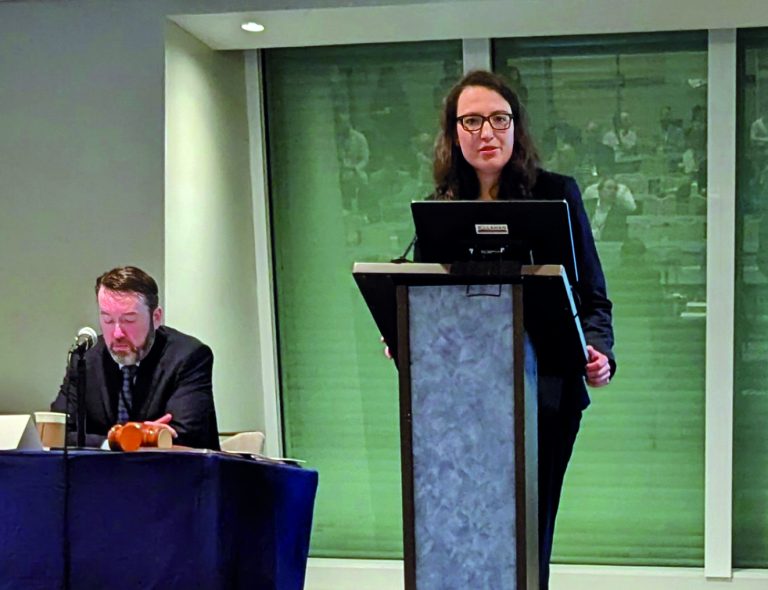
Despite a “dramatic” decrease in the use of prophylactic cerebrospinal fluid drains (CSFDs) for the prevention of spinal cord ischemia (SCI) in patients undergoing fenestrated and branched endovascular aortic repair (F/BEVAR), the rate of SCI has tracked a similarly dramatic…
Rates of MAE and reintervention following F/BEVAR remain ‘stable,’ Aortic Research Consortium data show
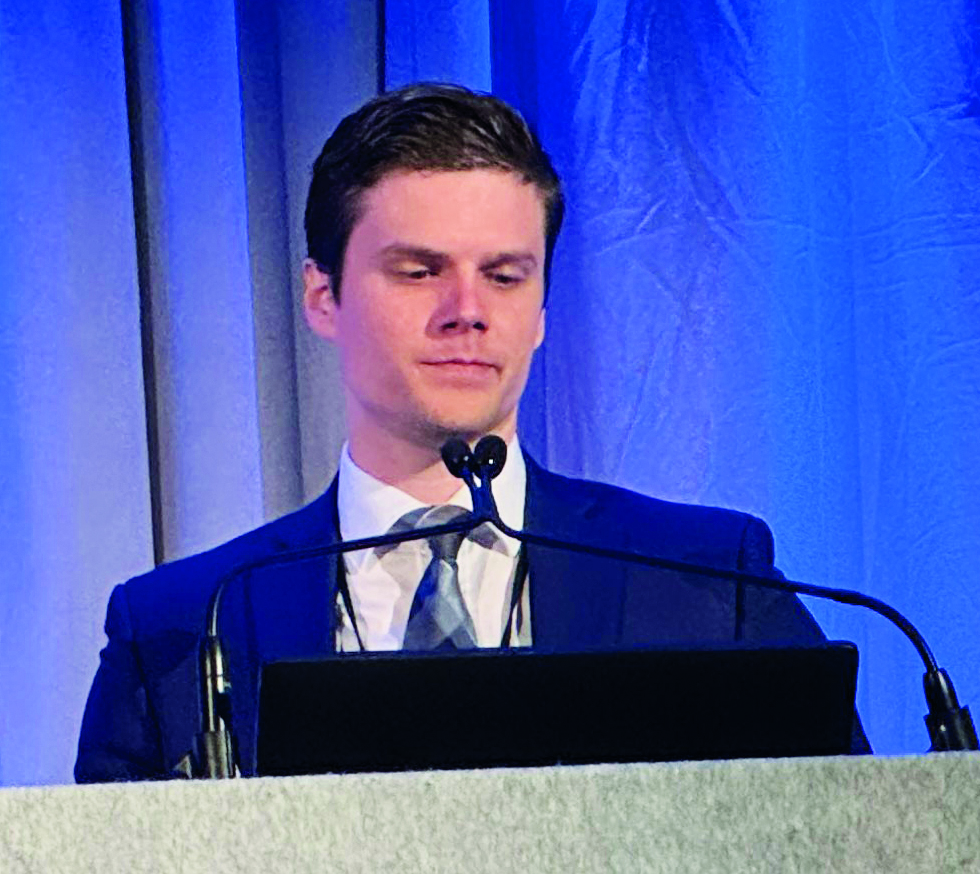
Latest study out of consortium details trends and outcomes after F/BEVAR procedures carried out over an eight-year period under consortium of 10 physician-sponsored IDEs. Despite increasing repair extent and complexity, rates of technical failure, adverse events and reintervention remained “stable”…
U.S. Aortic Research Consortium maps out F/BEVAR preoperative risk factors for one-year mortality in complex AAAs, TAAAs
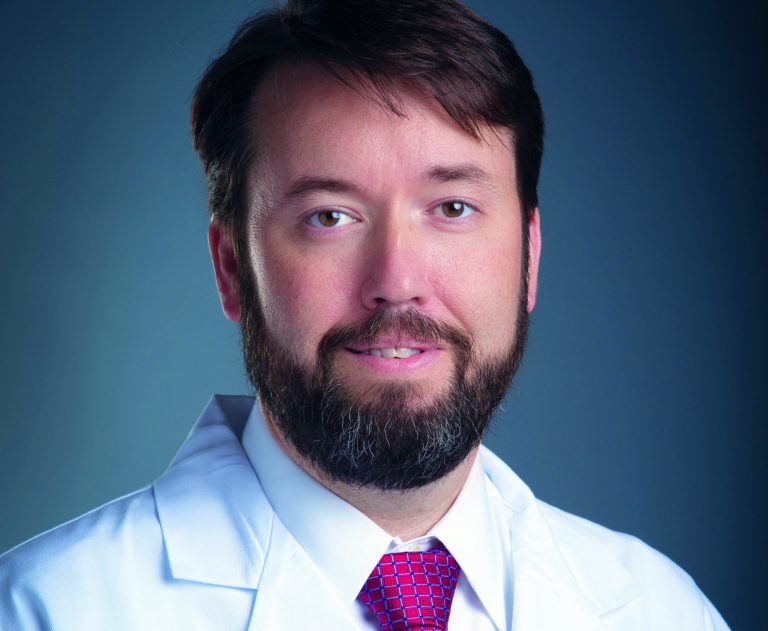
A series of preoperative risk factors—including currently smoking, chronic kidney disease (CKD), congestive heart failure (CHF), aneurysm size greater than 7cm, more advanced age (75 or over), Crawford extent I–III thoracoabdominal aortic aneurysms (TAAAs), known chronic obstructive pulmonary disease (COPD),…
Complex TAAA: US ARC IDE registry reports better survival vs. real-world data after endovascular repair
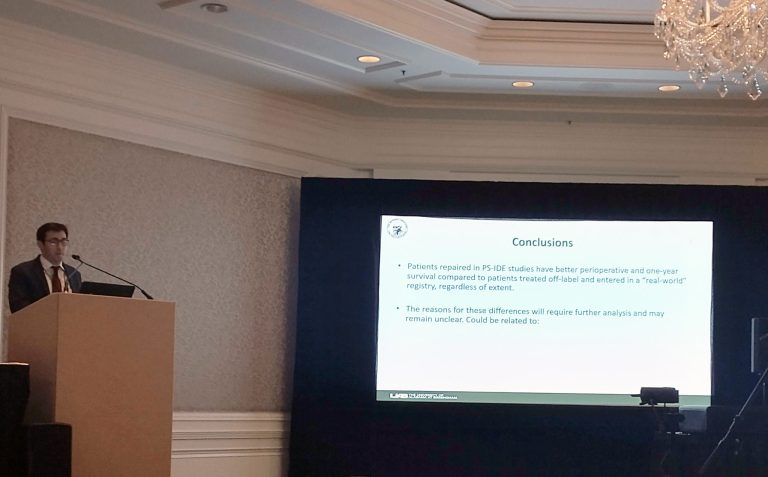
Patients treated in Food and Drug Administration (FDA)-approved investigational device exemption (IDE) trials for complex thoracoabdominal aortic aneurysms (TAAAs) in the U.S. Aortic Research Consortium (ARC) had better 30-day and one-year survival compared with those recorded in the real-world Vascular…
US IDE Aortic Research Consortium ‘pushes the envelope’ on F/BEVAR
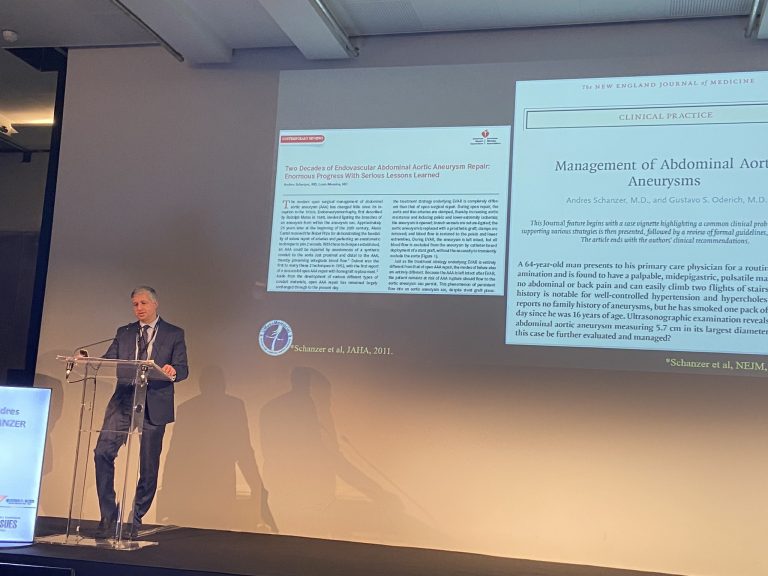
The U.S. investigational device exemption (IDE) Aortic Research Consortium has produced the strongest data so far on the use of fenestrated/branched endovascular aneurysm repair (F/BEVAR), Andres Schanzer, MD, professor and chief of vascular surgery at the University of Massachusetts Medical School…