Brought to you by:

ABRE subanalysis highlights obesity ‘paradox’ in post-venous stenting outcomes

Results from a subset analysis of the ABRE study have shown that patients in three out of the six World Health Organisation (WHO) body mass index (BMI) groups—‘pre-obesity’, ‘obesity class I’ and ‘obesity class II’—trended towards higher 36-month patency rates…
Nitinol stents placed in iliac veins “not associated with prolonged back pain,” study finds
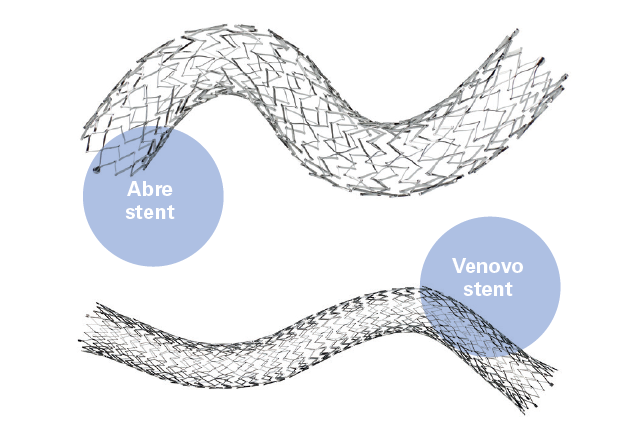
In a retrospective review of over 600 patients who underwent iliac vein stent placement, the development of back pain was found to be unrelated to stent type, diameter, length or covered vein territory. Chloe Snow (Greenbelt, USA) and colleagues share…
The top 10 most popular Vascular Specialist stories of October 2022

The most-read Vascular Specialist stories in October covered an investigation of thoracic endovascular aortic repair (TEVAR) timing presented at the Eastern Vascular Society (EVS) meeting in Philadelphia (Sept. 29–Oct. 1); the editor-in-chief’s open letter to the National Rifle Association; tips on…
Abre stent data show ‘struggle to maintain patency’ among post-thrombotic syndrome patients
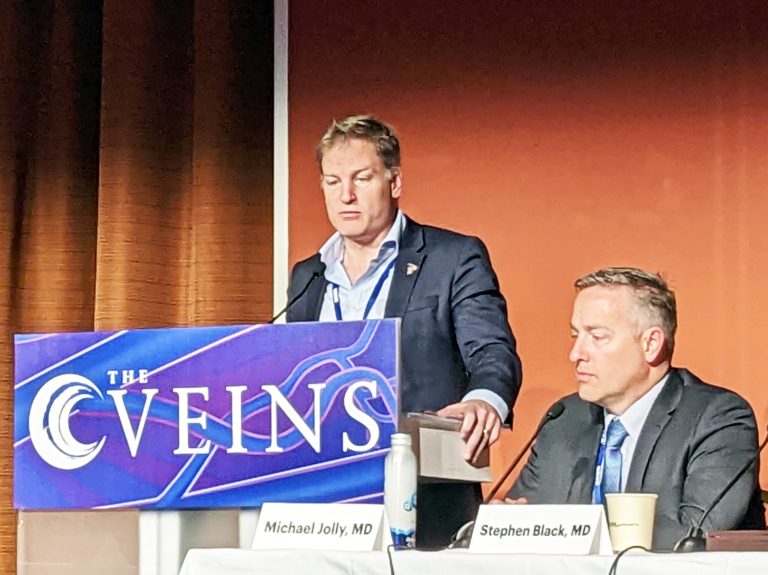
The Abre venous stent demonstrated three-year primary patency rates of 97.1%, 76.5% and 70.4% respectively for non-thrombotic iliac vein lesion (NIVL), acute deep vein thrombosis (DVT), and post-thrombotic syndrome (PTS) patient populations within the ABRE clinical study, a late-breaking session…
ABRE clinical study 36-month data show ‘long-term durability’ of venous stent system

Medtronic has announced the 36-month final results from the ABRE clinical study. The purpose of the ABRE clinical study was to evaluate the safety and effectiveness of the company’s Abre venous self-expanding stent system, intended for the treatment of symptomatic iliofemoral…