Brought to you by:

DCB therapy reduces MALE rates across femoropopliteal lesion complexity

In an era of expanding device options and the clinical temptation to match procedural complexity to lesion complexity, a new study offers a counterintuitive but data-driven argument: In femoropopliteal disease, doing less may actually deliver more. Research using the Vascular…
TCAR may offer lower neurological risk than CEA in older symptomatic patients

A large retrospective analysis of more than 350,000 patients drawn from the Vascular Quality Initiative (VQI) database found transcarotid artery revascularization (TCAR) maintained a more favorable neurological risk profile compared with carotid endarterectomy (CEA) in older symptomatic patients, with the…
Smoking cessation remains a challenge among PAD patients undergoing revascularization
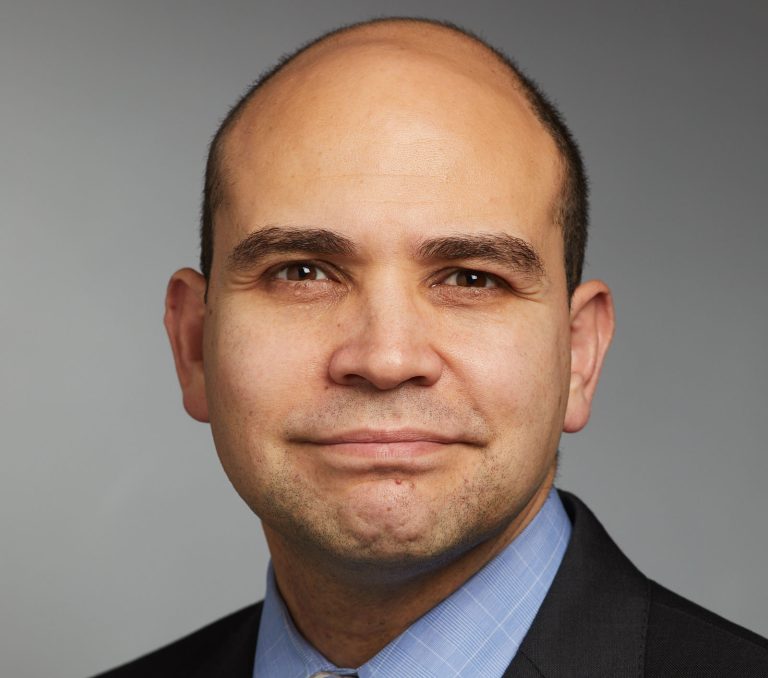
Smoking cessation rates among patients with peripheral artery disease (PAD) undergoing lower extremity revascularization (LER) remain low and largely unchanged, according to a new analysis of Vascular Quality Initiative (VQI) data. The retrospective study, which was published in the Journal…
VQI analysis finds disparities in IVC filter retrieval rates

Black patients are significantly less likely to undergo inferior vena cava (IVC) filter retrieval after placement compared with white patients, a retrospective study using data from the Vascular Quality Initiative (VQI) found. The data was presented at the 2026 annual…
Premature PAD tied to higher amputation rates

Patients with premature peripheral arterial disease (PAD) face a significantly increased risk of mid- and late-term major amputation, according to a new analysis of the linked Vascular Quality Initiative and Medicare dataset (VQI-VISION). The research was presented at the 2026…
Claudication: Medicare-linked data outline higher rates of progression to CLTI after revascularization among Black women

Black women with claudication had the highest rate of progression to chronic limb-threatening ischemia (CLTI) after lower extremity revascularization at 180 days, new data from a Medicare-linked Vascular Quality Initiative (VQI) procedural registry show. The results were demonstrated in a…
SVS set to take part in ACC smoking cessation webinar

The Society for Vascular Surgery (SVS) will take part in an upcoming webinar titled “Breaking the Habit, Saving Lives: The National Quality Initiative Push for Smoking Cessation” at the 2025 American College of Cardiology Quality Summit, Tuesday, Oct. 14. The…
Long-term VQI-VISION analysis sheds light on PVI versus bypass in aortoiliac occlusive disease
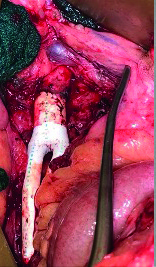
Today’s Plenary Session 4—Hosted in Great Hall A, First Floor from 10:45 a.m.–12 p.m.—will feature a presentation of five-year findings from the VQI-VISION database indicating that aortobifemoral bypass (ABF) remains a more durable long-term treatment option compared to endovascular intervention…
Speaking in code: How a decline in Medicare reimbursement affects vascular care
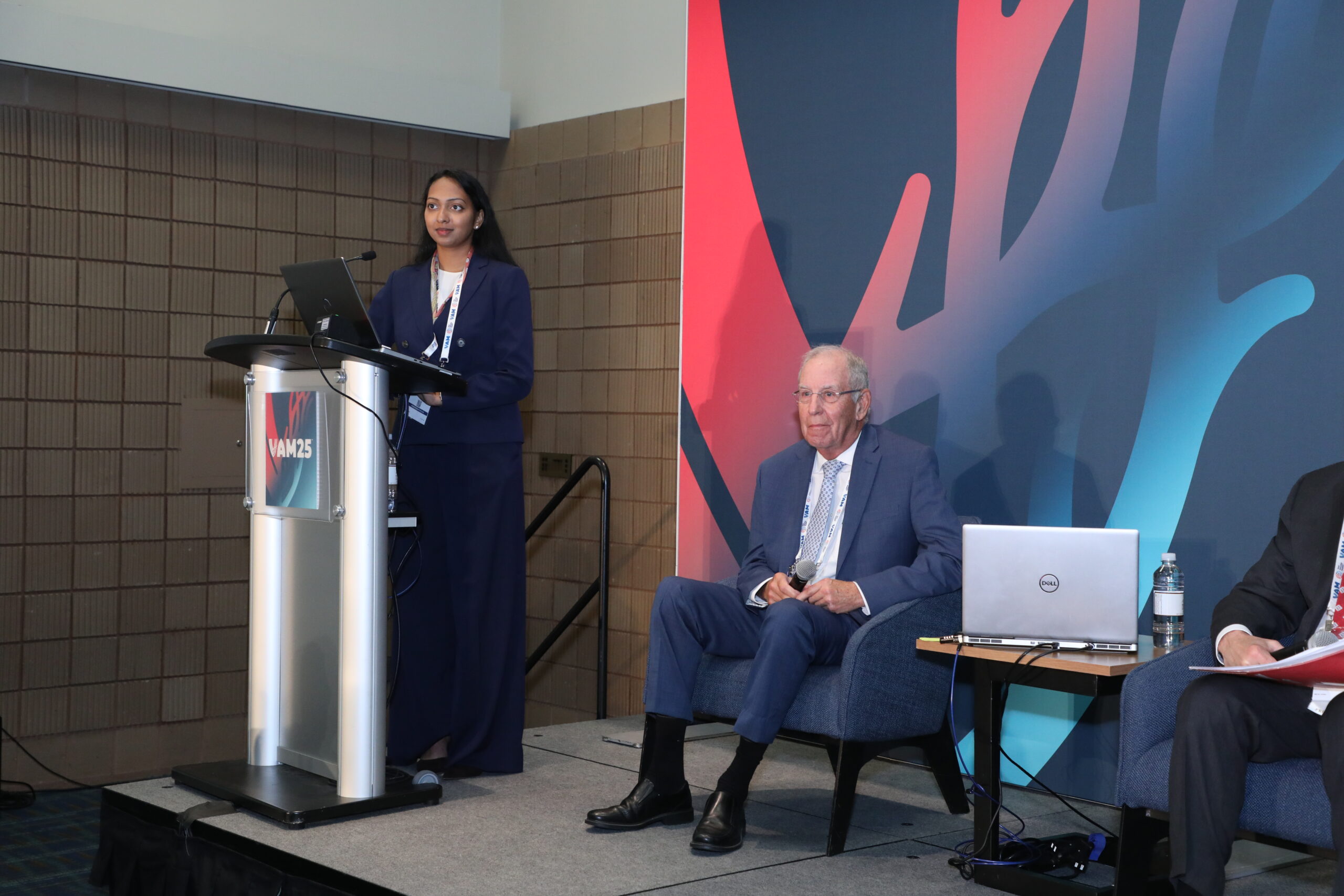
Concerns were raised yesterday’s Plenary Session 2 over the recent decline in Medicare reimbursement at a national level. Querying current figures, speakers revealed discrepancies which highlight the importance of accurate reporting to ensure sustainable provision for the future of vascular…
VQI LEAF surveillance protocol set to be unveiled during VQI@VAM

Philip P. Goodney, MD, is unveiling a pivotal monitoring tool during the Vascular Quality Initiative (VQI) Annual Meeting, VQI@VAM, today—the Long-Term EVAR Assessment and Follow-up (LEAF) surveillance protocol, a multi-stakeholder initiative aimed at enhancing long-term monitoring of endovascular aneurysm repair…