Brought to you by:
Smoking cessation remains a challenge among PAD patients undergoing revascularization
Smoking cessation rates among patients with peripheral artery disease (PAD) undergoing lower extremity revascularization (LER) remain low and largely unchanged, according to a new analysis of Vascular Quality Initiative (VQI) data. The retrospective study, which was published in the Journal…
Fear and loathing in a post-CREST-2 world

Medical editor Malachi Sheahan III, MD, reflects on the release of the CREST-2 results and considers what they may mean for clinical practice. As you likely know, the long-awaited CREST-2 trial results were recently released. While panic and jubilation erupt…
Updated intermittent claudication guidelines reflect a decade of new evidence
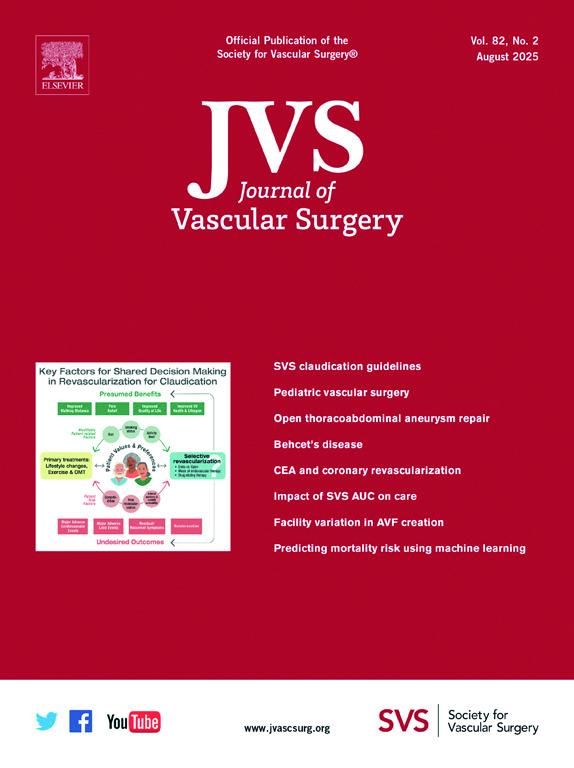
The Society for Vascular Surgery (SVS) recently published comprehensive update to its clinical practice guidelines (CPGs) for the management of intermittent claudication (IC), urging clinicians to prioritize conservative treatment strategies and patient-centered care. The new recommendations, which appeared in the…
Journal of Vascular Surgery secures new editor-in-chief

The Journal of Surgery (JVS) has appointed Audra Duncan, MD, of Western University in London, Ontario, Canada, as its new editor-in-chief. Duncan will lead the journal for a four-year term, renewable for two more years, following the decision of the…
Pharmacologic treatment, follow-up in cessation services help drive abstinence in PAD patients

A recent French study suggests smoking cessation in patients with peripheral arterial disease (PAD) is achievable with intensive and appropriate management, with the prescription of a pharmacologic smoking cessation treatment and follow-up with smoking cessation services both identified as important…
AI: Where it lands today and how it might impact the vascular future

The speed with which artificial intelligence (AI) is beginning to envelope aspects of the human experience strikes many as jarring. Its entrance into the world of vascular surgery, too, has picked up a pace in recent years, with models and…
Not all carotid procedures are equal after patients suffer a postoperative stroke
Comparative analysis looks at stroke-related disability and mortality after three modes of carotid revascularization. Strokes after transfemoral carotid artery stenting (TFCAS) were “the most disabling and lethal” when compared with transcarotid artery revascularization (TCAR) and carotid endarterectomy (CEA) in a…
SVS highlights landmark paper on functional popliteal artery entrapment syndrome

The Society for Vascular Surgery has highlighted findings from a comprehensive 20-year clinical study that demonstrate treatment of functional popliteal artery entrapment syndrome—particularly in combination with fasciotomy for exertional compartment syndrome—has shown highly effective outcomes, with 82% of patients returning…
Search for new JVS editor-in-chief has commenced
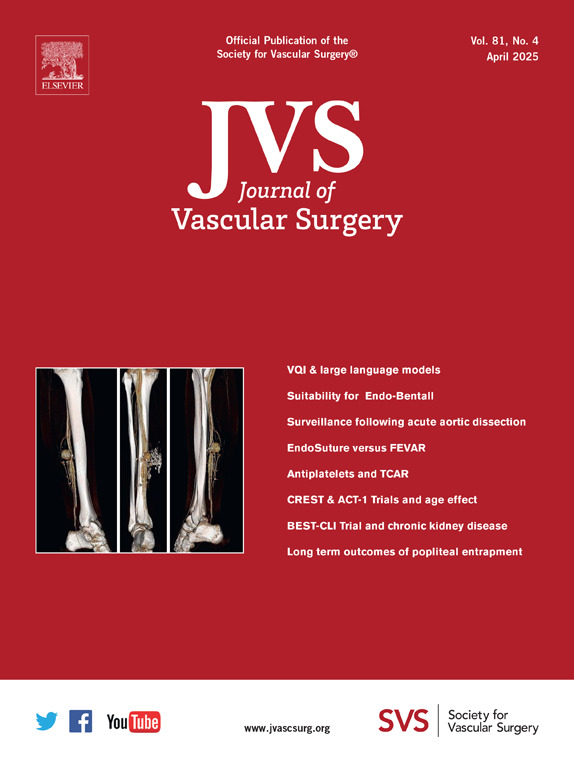
The Society for Vascular Surgery (SVS) has launched a search for a new editor-in-chief (EIC) for its flagship publication, the Journal of Vascular Surgery (JVS). The selected EIC will oversee the academic and editorial quality of JVS and collaborate closely…
2024 in review: Message from the SVS executive director
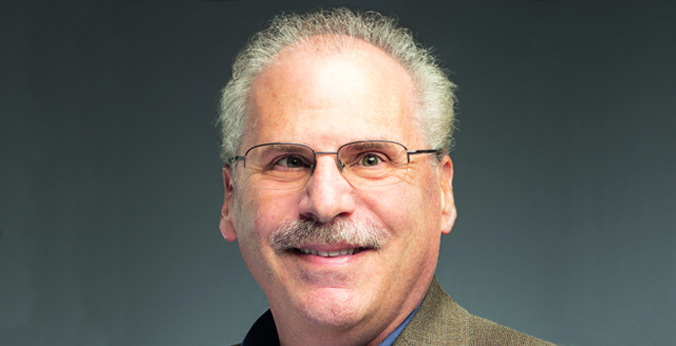
The Society for Vascular Surgery (SVS) takes a moment to recognize the dedication, achievements and progress made over the past year. In a letter to members, SVS Executive Director Kenneth M. Slaw, PhD, highlights the Society’s unwavering focus on quality,…