Brought to you by:

Rethinking vascular surgery recruitment in the community
A growing shortage of vascular surgeons is making recruitment increasingly important for practices and health systems, with lifestyle, workplace culture and generational priorities becoming important considerations in attracting and retaining surgeons.
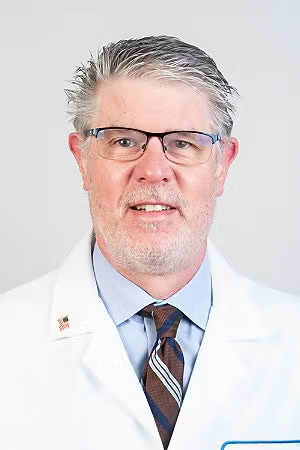
Speaking about recruitment strategies during a session at the 2026 meeting of the Eastern Vascular Society (EVS) in Washington, D.C. (Sept. 17-19), Shelby Cooper, MD, pointed to projections suggesting vascular surgery could face one of the largest physician shortages among surgical specialties through 2038.
“In the United States now, there are four open positions for every graduating vascular surgeon,” said Cooper, chief of vascular surgery at Bassett Medical Center in Cooperstown, New York. “About 83% of counties lack a single vascular surgeon, with most vascular surgeons concentrating in major centers.”
Approximately one-third of U.S. hospitals are currently recruiting vascular surgeons, he added. Without additional surgeons entering the workforce, existing vascular surgeons would need to substantially increase their productivity to keep pace with demand.
Several factors contribute to the shortage, including the demanding nature of vascular surgery, heavy call responsibilities and expectations surrounding lifestyle. Historically, Cooper said limited exposure to the specialty also meant medical students often had little understanding of vascular surgery as a potential career.
“I think we're doing a better job of exposing the young candidates and medical students,” said Cooper. “Historically, I think medical students in particular did not have a great understanding of what vascular surgeons did and who they were.”
As competition for vascular surgeons increases, Cooper said successful recruitment requires more than simply advertising an open position. Compensation and benefits remain important, but practices also need to demonstrate what differentiates their institution, community and working environment.
He pointed to his own experience recruiting vascular surgeons at Bassett, where they emphasize work-life balance, the surrounding community, opportunities to practice broadly and a team-based working environment. “We really try to use the beauty of the place to help with recruitment,” said Cooper.
The practice also emphasizes the opportunity to pursue academic interests without some of the pressures associated with a traditional academic medical center. A cohesive team of surgeons, physician assistants, nurses and other staff can similarly become an important recruitment tool.
Cooper emphasized working closely with institutional recruitment professionals. “The recruitment office has been vital,” he said. “Really working closely with the recruitment office and having an excellent recruitment office is incredibly helpful.”
Recruitment strategies may also need to evolve as different generations move through the vascular surgery workforce. While some practices may recruit experienced Generation X surgeons, millennials currently represent much of the recruitment pool, with Generation Z surgeons expected to become an increasingly important part of the workforce.
For more established surgeons, priorities may include leadership opportunities, autonomy, work-life balance and financial or retirement considerations. Millennials may place greater emphasis on work-life balance, transparency, workplace culture, technology and community resources, said Cooper.
Younger Generation Z physicians may bring another set of priorities, including advanced technology, career advancement, professional purpose and impact, workplace values, diversity and inclusion.
Those differences mean recruitment cannot necessarily follow the same formula for every candidate. Practices should understand what candidates value and clearly communicate what both the organization and surrounding community can offer.
For vascular surgery, Cooper suggested that approach will become increasingly important as demand for surgeons continues to exceed the available workforce. “Highlight your assets, culture, your group,” he said, “and don't underestimate your recruitment office.”