Brought to you by:

Training smarter, not harder: Analysis finds no negative impact of reduced core surgical requirements

Since the 2018 Accreditation Council for Graduate Medical Education (ACGME) reduction of core surgical requirements from 24 to 18 months during integrated vascular surgery residency, vascular residents’ operative experience has been unaffected, suggesting improved training optimization and efficiency. This was…
Explore the future of vascular surgery at Touchpoint@VAM

Today, 2025 Vascular Annual Meeting (VAM) attendees are encouraged to engage in an eye-opening experience at Touchpoint@VAM for an interactive event that will showcase the latest advancements in vascular surgery technology. The event will be held on the host venue’s…
Next gen: Pair of sessions tailored for medical students lay out keys to the specialty

Medical students attending the 2025 Vascular Annual Meeting (VAM) will have two unique opportunities to deepen their understanding of vascular surgery through sessions designed specifically for their level of training. On Thursday, June 5, the Society for Vascular Surgery (SVS) will…
First-in-man results to show promise for robot-assisted HIFU in PAD treatment
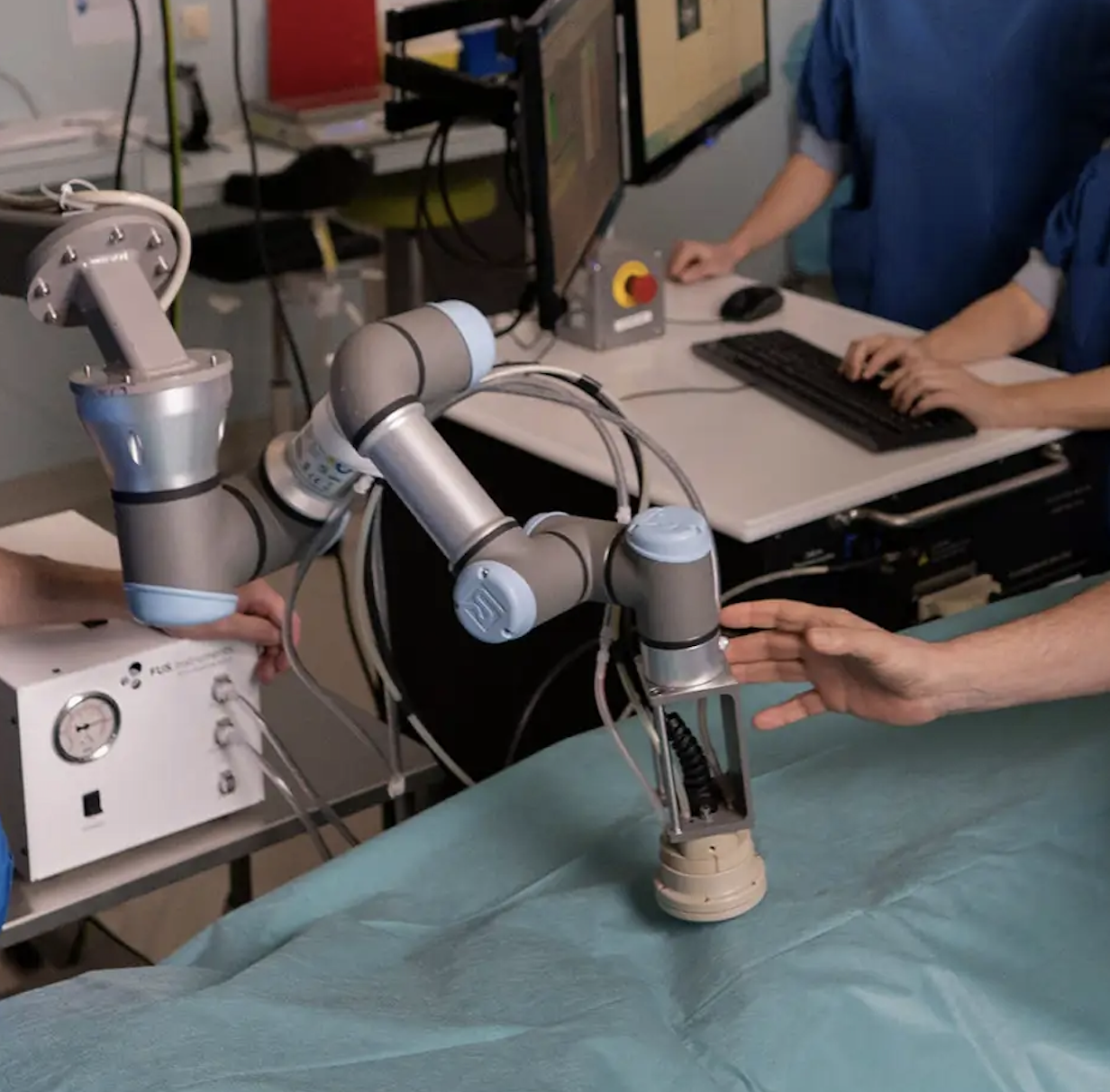
Results of a first-in-human study of non-invasive, robotic-assisted high intensity focused ultrasound (HIFU) for the treatment of peripheral arterial disease (PAD), to be presented Friday morning, will show that the therapy appears to be safe and feasible for the treatment…
Experts to examine ‘evolving landscape’ of vascular intervention in PE management

A number of topics relating to pulmonary embolism (PE) management—including lytic therapy versus thrombectomy, risk stratification and device selection—will feature this afternoon during an educational session. Taking place from 3:15–4.45 p.m. on the Second Floor (Room 217–219) at the 2025…
VQI LEAF surveillance protocol set to be unveiled during VQI@VAM

Philip P. Goodney, MD, is unveiling a pivotal monitoring tool during the Vascular Quality Initiative (VQI) Annual Meeting, VQI@VAM, today—the Long-Term EVAR Assessment and Follow-up (LEAF) surveillance protocol, a multi-stakeholder initiative aimed at enhancing long-term monitoring of endovascular aneurysm repair…
Crawford Forum: Empowering vascular surgeons

This year’s E. Stanley Crawford Critical Issues Forum at the 2025 Vascular Annual Meeting (VAM) in New Orleans, from 11:15 a.m.–12:15 p.m., on the Morial Convention Center’s First Floor (Great Hall A) seeks to address some of the structural and…
What the cost of cancer care teaches vascular specialists
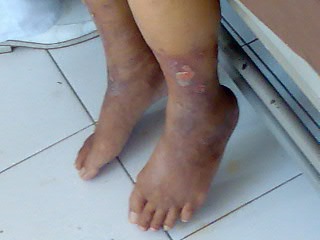
How does the cost of treating critical limb-threatening ischemia (CLTI) in the U.S. stack up to cancer care? That was the question at the heart of research conducted by Richard W. Walsh, MD, and colleagues at the University of Texas…
Cost-effectiveness outcomes defy expectations in latest BEST-CLI data drop
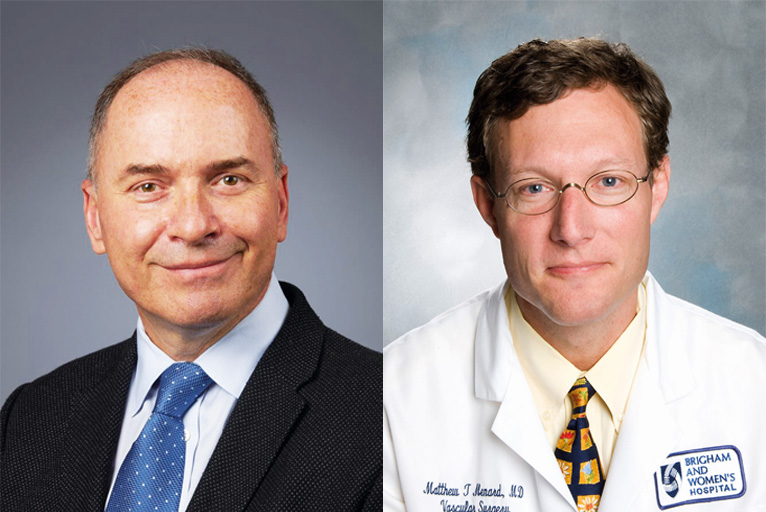
The open surgical approach will prove to be “slightly superior” to endovascular intervention in terms of cost per life year gained, while the latter will be slightly superior to open surgery with regard to cost per quality-adjusted life year gained,…
Taking the lead: The vascular surgeon in the pediatric vascular surgical space
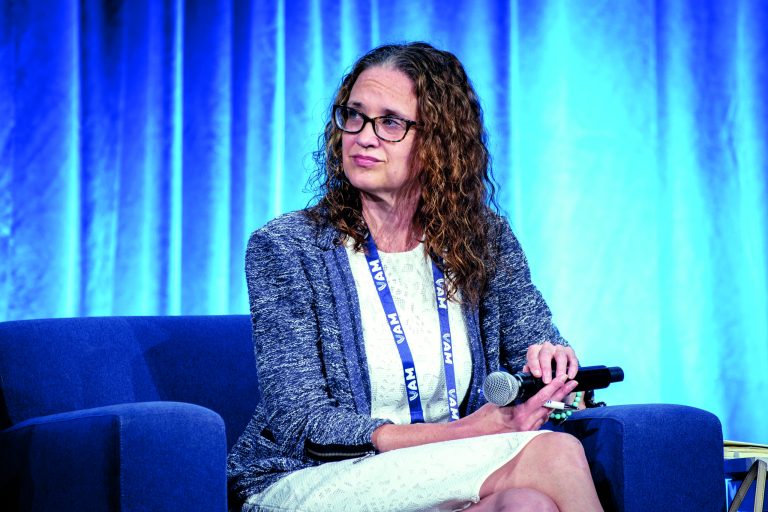
It’s a bit like realigning the narrative, ever so slightly. “I want us to feel, as a collective specialty, that pediatric vascular care falls under our purview,” says Dawn Coleman, MD, a leading voice in the vascular surgical care of…