Brought to you by:
SVS and STS release new reporting standards for type B aortic dissections

The Society for Vascular Surgery (SVS) and the Society of Thoracic Surgeons (STS) have released new reporting standards to ensure patients with type B aortic dissections (TBADs) receive appropriate treatment and care. The care of patients with type B dissections…
‘Cardiovascular disease at crossroads’: practitioners call for a definitive randomized trial comparing precision medicine and polypill

The prospect of death rates from cardiovascular disease once again ticking upward after more than a half century of decline has led to a call for a randomized trial comparing the two new—and distinct—approaches to prevention: precision medicine and the…
Initial results from first-in-man trial of prosthetic VenoValve demonstrate promise, says investigator
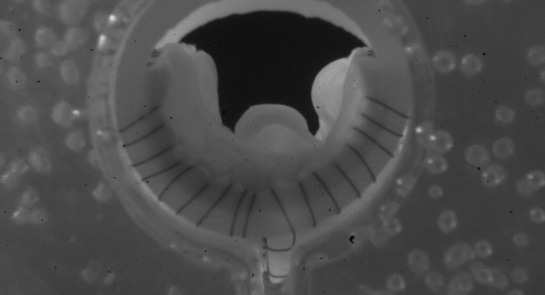
PALM BEACH, Fla.—The initial results of an ongoing first-in-man study in Colombia that saw the implantation of a prosthetic venous valve in 15 patients appear promising, with improvement in clinical outcomes and quality of life evaluation, delegates at the Southern…
SVS president presents point-by-point defense of Society position on paclitaxel controversy
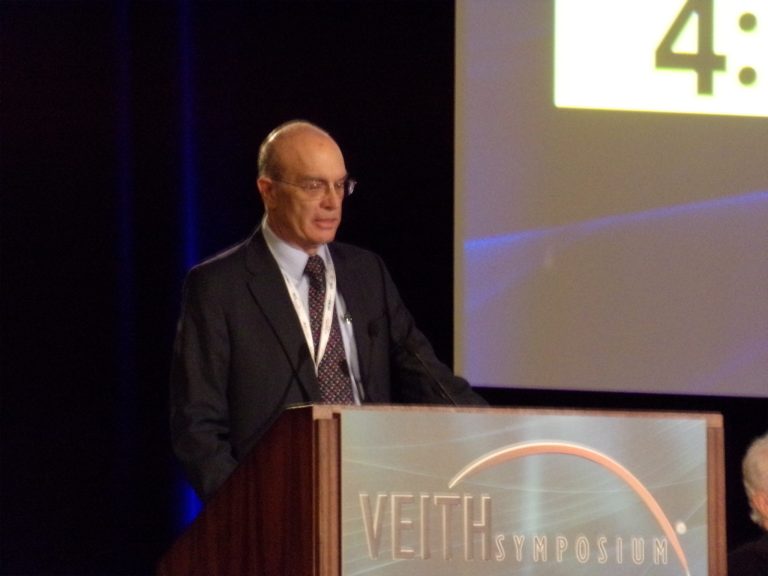
NEW YORK—Kim Hodgson, MD, president of the Society for Vascular Surgery, delivered a robust defense of the SVS position on the drug-coated balloon (DCB) and drug-eluting stent (DES) issue that is currently enveloping the vascular community during the 2019 iteration…
Hotly-contested meta-analysis suggests a higher risk of death or amputation at one year when paclitaxel-coated balloons are used in infrapopliteal arteries
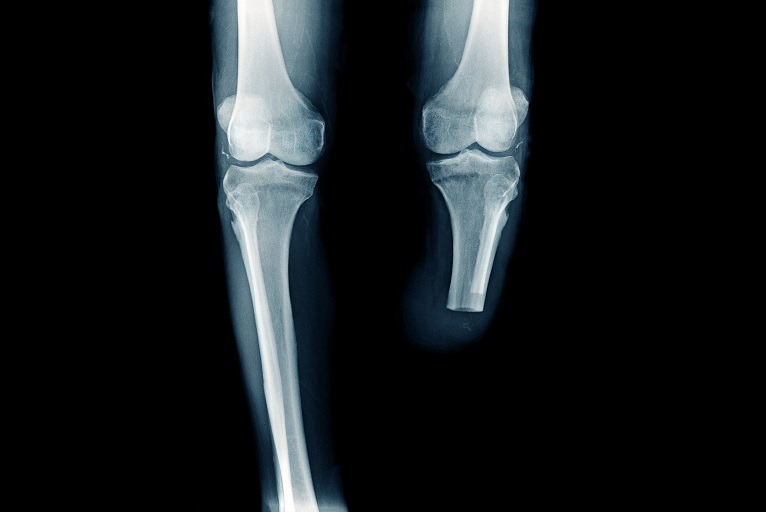
A new meta-analysis, just published in the Journal of Vascular and Interventional Radiology (JVIR), suggests significantly reduced amputation-free survival at one year when paclitaxel-coated balloons are applied in arteries below the knee for critical limb-threatening ischemia (CLTI) treatment, but some…
Alucent Biomedical announces FDA approval to proceed with natural vascular scaffolding clinical trial

Alucent Biomedical has received US Food and Drug Administration (FDA) approval to proceed with a phase 1 clinical trial to evaluate the safety and efficacy of its Natural Vascular Scaffolding (NVS) technology. The therapy is designed to treat peripheral arterial…
‘Alarming rate’ of severe cerebrospinal fluid drain complications discovered in first-stage TEVAR and F-BEVAR of aortic aneurysm procedures

Severe complications from placement of cerebrospinal fluid drains (CSFD) during first-stage thoracic endovascular aortic repair (TEVAR) and fenestrated-branched endovascular repair (F-BEVAR) of pararenal and thoracoabdominal aortic aneurysms (TAAAs) were found to occur at an “alarming rate” in a prospective, nonrandomized…
Meta-analysis: Translumbar embolization is superior to transarterial procedure in treatment of post-EVAR type II endoleaks
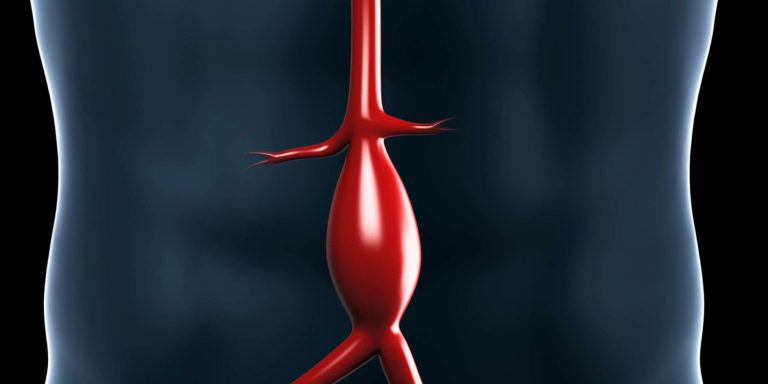
Translumbar embolization had a greater technical efficacy than its transarterial equivalent in the treatment of type II endoleaks after endovascular aneurysm repair (EVAR), according to a systematic review and meta-analysis published in the Journal of Vascular Surgery. As a result,…
Dramatic decline in open AAA repair training among trainees stokes strong concern over future surgical competence
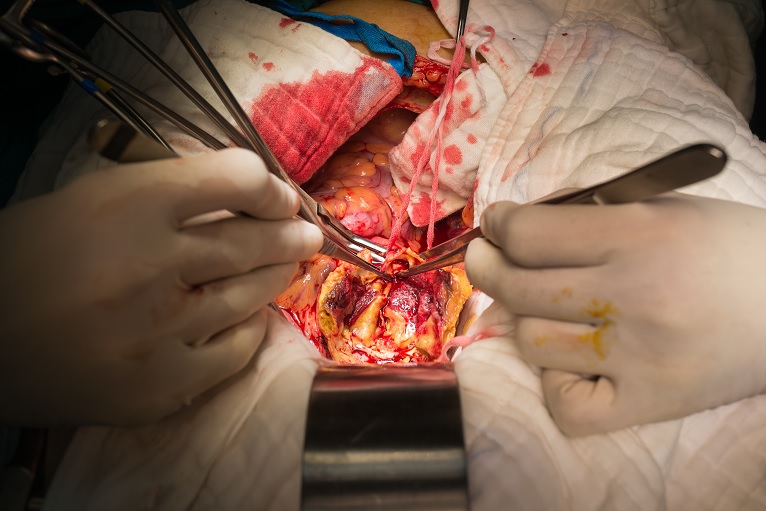
NEW YORK—The dramatic shift away from open surgery toward an endovascular approach has landed vascular practice at a stark crossroads, attendees at the VEITHsymposium (Nov. 19–23, 2019) heard during a lecture whose title bore a clear message: “How to teach…
Regulatory unity can help drive medical device adoption globally, FDA official says
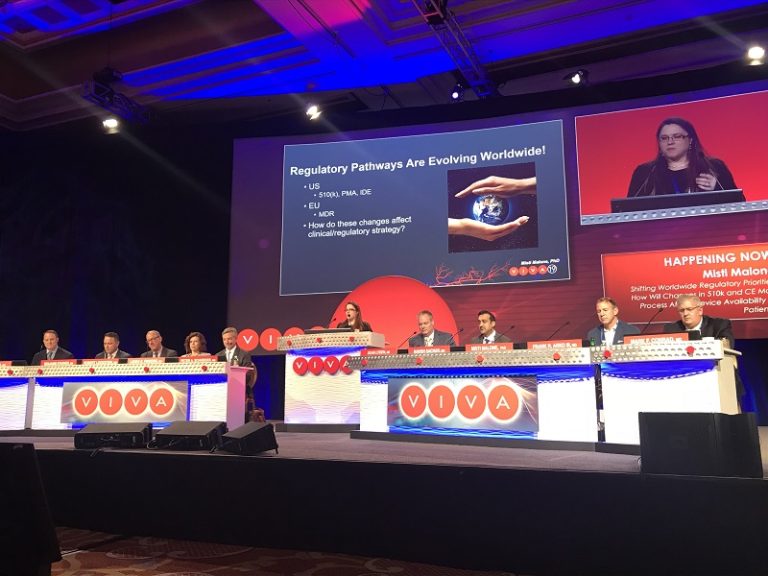
LAS VEGAS—Efforts at international collaboration across borders can drive harmony among disparate regulatory requirements and lead to greater global cooperation at the medical device level, a senior member of the Food and Drug Administration (FDA) told the opening session of…