Brought to you by:
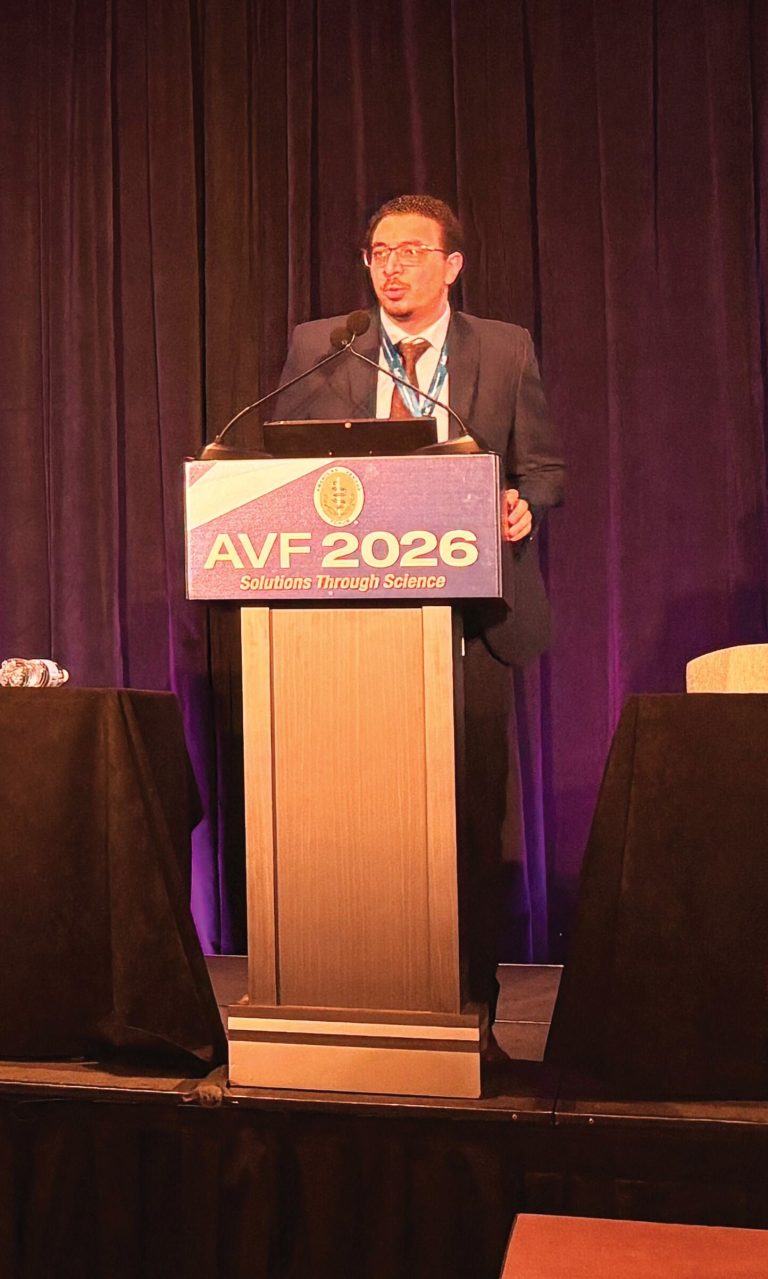
Duplex ultrasound may underestimate left renal vein compression in suspected nutcracker syndrome

Relying on duplex ultrasound to evaluate suspected left renal vein (LRV) compression may lead to underdiagnosis and delayed treatment of nutcracker syndrome, according to new data presented at the 2026 annual meeting of the American Venous Forum (AVF) in Denver,…
Alcohol use disorder linked to higher rates of amputation and death after revascularization for CLTI

Alcohol use disorder (AUD) independently raises the risk of major adverse limb events (MALE) and mortality among patients undergoing lower-extremity revascularization for chronic limb-threatening ischemia (CLTI), according to a retrospective cohort study published in the Journal of Vascular Surgery (JVS).…
Adam Smith, Hippocrates, Pogo and the great American health care mess: Part one

Two Florida Hospital systems — as well as the Cleveland Clinic, Mt Sinai and Johns Hopkins — have been in a contract war with Blue Cross and Blue Shield for almost six months. The failure to arrive at a mutually…
Data demonstrates extensive variations in antithrombotic therapy after venous stenting and suggests conservative approach may be appropriate
Antithrombotic therapy following iliac vein stenting varies widely and long-term outcomes differ significantly depending on the underlying condition, according to new research. The retrospective study included 314 patients who underwent iliac vein stenting at Yale New Haven Hospital between 2012…
Surgical societies respond to updated pulmonary embolism clinical practice guidelines
In a recent editorial, stakeholders responded to the exclusion of vascular surgical societies from participating in developing updated clinical practice guidelines for the management of acute pulmonary embolism from the American Heart Association (AHA) and the American College of Cardiology…
SVS awarded CMSS grant to expand age-friendly vascular ambulatory care
The Society for Vascular Surgery (SVS) has been selected as one of six specialty societies nationwide to receive a competitive grant from the Council of Medical Specialty Societies (CMSS), in partnership with The John A. Hartford Foundation (JAHF), to advance…
Biological sex remains a key determinant in CLTI revascularization rates and outcomes

Female patients had fewer endovascular revascularizations for chronic limb-threatening ischemia (CLTI) compared to male patients but experienced lower risks of mortality and major amputation, according to recent data. However, the findings also showed female patients were more likely to experience…
The Zeigarnik effect

You pull out the key to open the door to your house. You unlock the door and get inside. Then, several hours later, you are looking for the key and wondering where it is. And you discover that you have…
The evolving role of academic outpatient vascular centers

Outpatient vascular care has moved from an alternative site of service to the default setting for much of modern practice. Vascular Specialist marked this shift by launching its column, The Outpatient, beginning with the edition titled “In focus: Outpatient vascular…
TADV delivers ‘transformative advancement’ for no-option CLTI

A systemic review and meta-analysis found transcatheter arterialization of deep veins (TADV) produces higher rates of limb salvage, amputation-free survival (AFS), and wound healing than standard-of-care (SoC) in no-option chronic limb-threatening ischemia (CLTI) patients. The findings appear in the Journal…