Brought to you by:
Child-bearing age ‘should not be a contraindication to venous stenting’

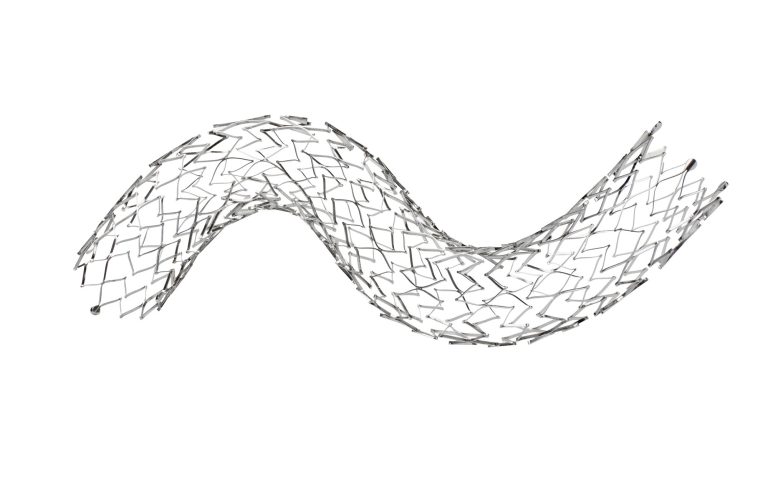
In a recently published study, dedicated venous stents performed well through pregnancy and postpartum, and a protocol including the use of low-dose antiplatelets in combination with anticoagulation at either a prophylactic or therapeutic dose depending on the patient’s risk profile…
Primary patency after venous stenting best in NIVL patients, study finds

A recent study concludes that non-thrombotic iliac vein lesion (NIVL) patients have better primary patency after venous stenting than patients with venous thrombotic disorders. Olivier Espitia, MD, from CHU de Nantes in Nantes, France, and colleagues report this main finding…
Primary patency after venous stenting best in NIVL patients, study finds
A recent study concludes that non-thrombotic iliac vein lesion (NIVL) patients have better primary patency after venous stenting than patients with venous thrombotic disorders. Olivier Espitia (CHU de Nantes, Nantes, France) and colleagues report this main finding from a multicenter…
STEVECO trial calls into question randomization in the venous stenting field
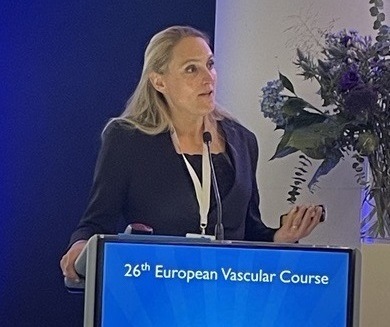
Recruitment proved to be a major challenge for the STEVECO (Stent versus conservative treatment in patients with deep venous obstruction) randomized controlled trial (RCT), prompting discussion on how best to randomize patients in future trials, the ethics of doing so,…
Venous stenting: ‘We need to evaluate use, appropriateness and clinical indication’

An analysis of venous stent usage trends in the United States from 2014 through 2021 showed a “significant increase” in stents per day placed over time, despite high-profile recalls of two dedicated venous stents from the market. Those were among…
Educate, educate, and educate again: The continuing quest for appropriate venous care

Prominent venous disease experts discuss venous stenting, appropriate care, and the pursuit of refined data and better education in a space where part of the problem involves practitioners moving “freely from being able to do arterial intervention and suddenly assume…
High-risk venous stasis ulceration patients show similar healing rates after multi-modal surgical therapy
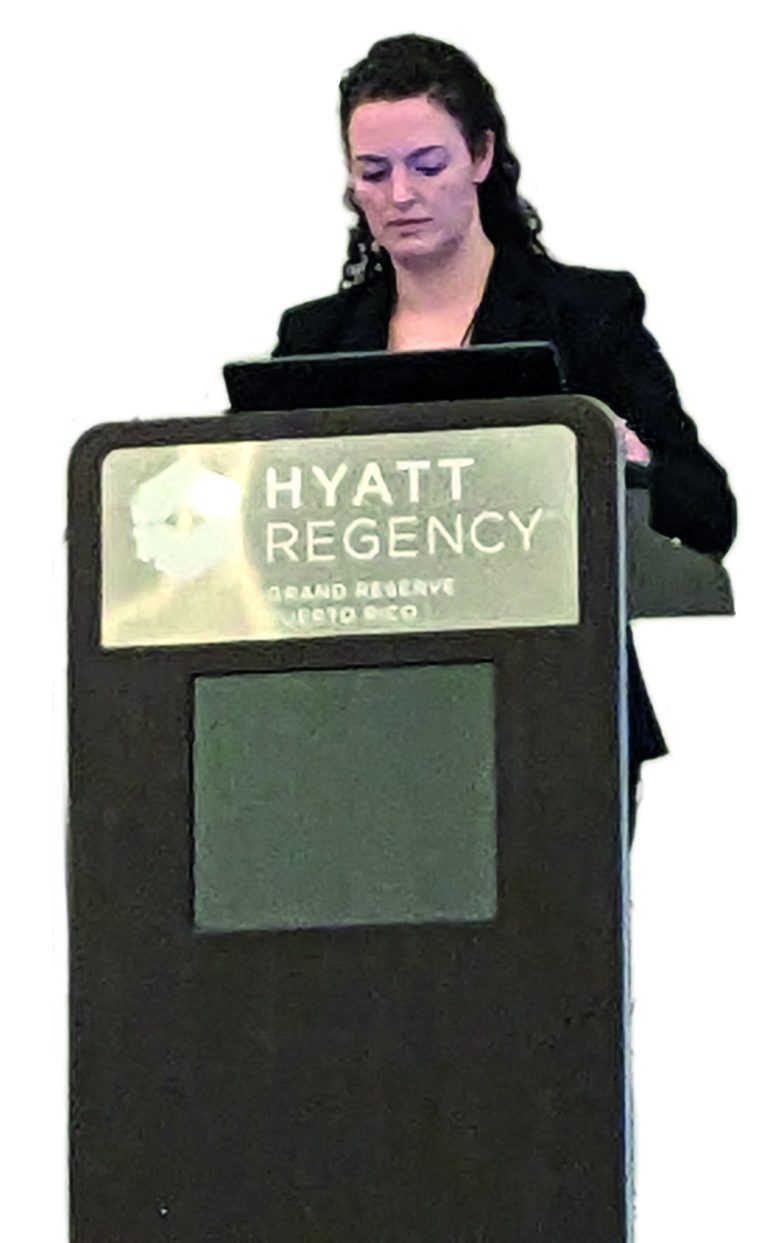
A single-center evaluation of contemporary, multi-modal surgical therapy for venous stasis ulceration (C6 disease) suggests high-risk patients showed similar healing rates at one year, indicating a variety of intervention types should be pursued to achieve “optimal results.” Presented at the…
Abre stent data show ‘struggle to maintain patency’ among post-thrombotic syndrome patients
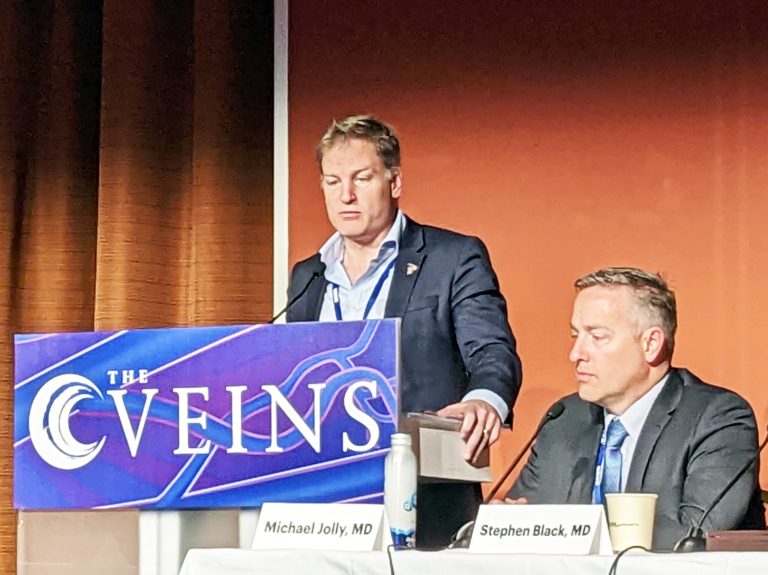
The Abre venous stent demonstrated three-year primary patency rates of 97.1%, 76.5% and 70.4% respectively for non-thrombotic iliac vein lesion (NIVL), acute deep vein thrombosis (DVT), and post-thrombotic syndrome (PTS) patient populations within the ABRE clinical study, a late-breaking session…
Gore completes first-in-human implants of Viafort vascular stent
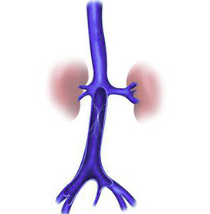
W. L. Gore today announced the first implants of its investigational Gore Viafort vascular stent as part of a recently initiated pivotal clinical study for the treatment of inferior vena cava (IVC) occlusive disease with or without iliofemoral vein involvement. The…
ABRE clinical study 36-month data show ‘long-term durability’ of venous stent system

Medtronic has announced the 36-month final results from the ABRE clinical study. The purpose of the ABRE clinical study was to evaluate the safety and effectiveness of the company’s Abre venous self-expanding stent system, intended for the treatment of symptomatic iliofemoral…