Brought to you by:

European launch: Medtronic receives CE mark for 200mm and 250mm IN.PACT Admiral DCBs

Medtronic has announced the European launch of the 200mm and 250mm IN.PACT Admiral drug-coated balloons (DCBs) following CE mark approval. The product is intended to treat long complex femoropopliteal lesions efficiently in patients with peripheral arterial disease (PAD). The 200mm and 250mm IN.PACT Admiral…
PAD: R3 Vascular reports ‘successful initiation’ of first-in-human study of bioresorbable sirolimus-eluting scaffold

Medical device developer R3 Vascular has reported the “successful initiation” of a first-in-human clinical study evaluating the technical and clinical performance of its Magnitude bioresorbable sirolimus-eluting scaffold (BRS) in patients with critical limb ischemia (CLI) due to occlusive below-the-knee (BTK)…
Physicians draw attention to Medicare cuts as PAD Awareness Month kicks off
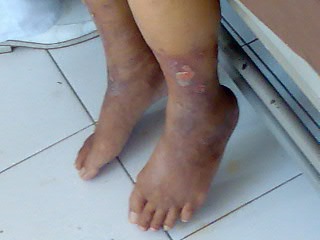
A coalition of physicians and other interested parties focused on peripheral arterial disease (PAD) has called on Congress and the Centers for Medicare and Medicaid Services (CMS) to take action to avoid proposed payment cuts that would hammer vascular care,…
Females were 30% less likely to undergo surgery for PAD, national database study finds

A review of more than 1 million patients receiving vascular surgery over a 16-year period identified significant sex-related disparities in the treatment of abdominal aortic aneurysms (AAAs) and peripheral arterial disease (PAD)—with females 30% less likely to undergo surgery in…
USPSTF expands screening recommendation for prediabetes, type-2 diabetes to adults aged 35-plus

The United States Preventive Services Task Force (USPSTF) has issued an updated recommendation statement suggesting clinicians screen for prediabetes and type-2 diabetes in overweight or obese adults aged 35–70 years—capturing patients five years earlier than the previous advisory from 2015.…
VAM discussion on latest paclitaxel meta-analysis yields mix of caution, skepticism

A Vascular Annual Meeting (VAM) sponsored session on paclitaxel safety drew a mix of skeptical and cautious responses to the latest meta-analysis from interventional radiologist Konstantinos Katsanos, MD, that reported a heightened risk of major amputation after use of paclitaxel-coated balloons…
Amputation rates higher for people with PAD who are poor or Black
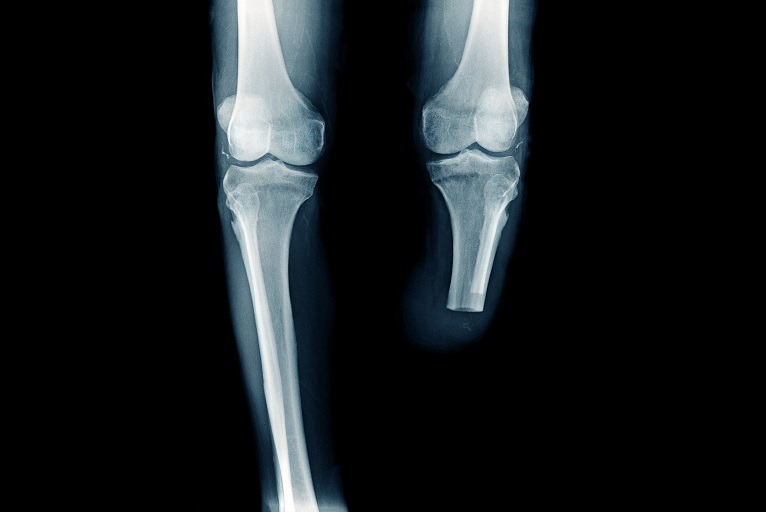
Poverty and Black race were associated with higher rates of lower-leg amputation among people with peripheral arterial disease (PAD) who live in metropolitan areas, according to new research published today in a special issue of the Journal of the American Heart Association (JAHA), an open…
Vascular Quality Initiative launches ‘My PAD’ pilot

The Society for Vascular Surgery (SVS) Vascular Quality Initiative (VQI) has created “My PAD,” a pilot program for collecting patient-reported outcomes (PROs) from patients undergoing endovascular treatment for peripheral arterial disease (PAD). Traditional outcomes such as patency and reintervention may…
FDA approves expanded PAD indication for rivaroxaban plus aspirin

The Janssen Pharmaceutical Companies of Johnson & Johnson today announced that the Food and Drug Administration (FDA) has approved an expanded peripheral arterial disease (PAD) indication for the Xarelto (rivaroxaban) vascular dose (2.5mg twice daily plus aspirin 100mg once daily) to…
Veterans with claudication who undergo revascularization ‘significantly more likely to have major amputation than those who do not’

Patients within the Veterans Affairs Administration healthcare system who underwent an intervention for intermittent claudication (IC) were consistently at three-to-four times greater risk of undergoing subsequent amputation compared to those who did not, researchers at Stanford University report. Furthermore, Intervention…