Brought to you by:

Female sex is associated with additional treatments following surgery for intermittent claudication, study shows

A new U.S. study has found that female sex is associated with more reinterventions after surgical treatment for intermittent claudication. Additionally, guideline-directed medical therapy, including aspirin and statin use, was used less frequently among female compared with male patients in…
Study demonstrates feasibility, effectiveness of at-home exercise therapy plus cognitive behavior therapy for IC
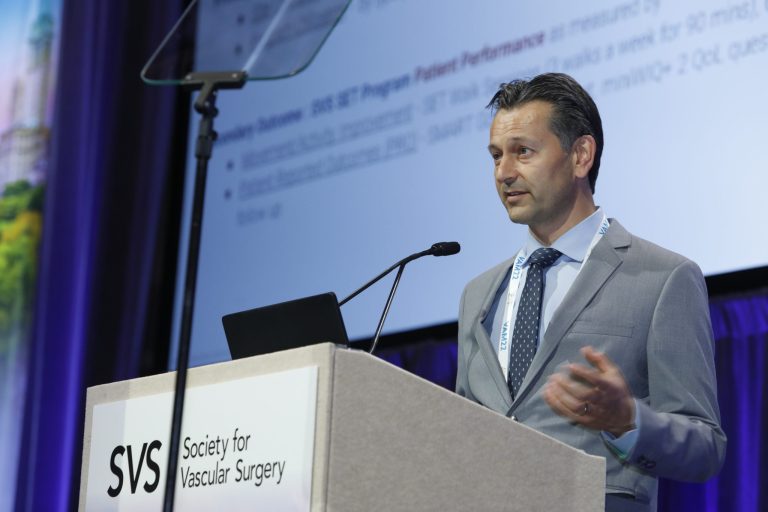
A mobile phone-administered, home-based exercise therapy program for patients with intermittent claudication (IC) incorporating cognitive behavior therapy (CBT) was found to be feasible, with 78% of participants completing the whole course, the 2022 Vascular Annual Meeting (VAM) heard. The findings…
Index atherectomy interventions for claudication ‘is associated with higher’ reintervention rates vs. other technologies

Atherectomy use during index peripheral vascular interventions in claudicants is associated with higher reintervention rates when compared to other technologies, a newly unveiled study by Caitlin Hicks, MD, and colleagues at Johns Hopkins Hospital in Baltimore, Maryland, shows. The researchers…
‘Do we need to do a better job of making devices that fit female anatomy?’

It was a burning question posed from the conference floor, and it led to some approving social media nods in its aftermath: Does the tone of conversation around the vascular anatomy of females need to morph into a discussion about…
Veterans with claudication who undergo revascularization ‘significantly more likely to have major amputation than those who do not’

Patients within the Veterans Affairs Administration healthcare system who underwent an intervention for intermittent claudication (IC) were consistently at three-to-four times greater risk of undergoing subsequent amputation compared to those who did not, researchers at Stanford University report. Furthermore, Intervention…
Research letter highlights low adoption of supervised exercise therapy for PAD

A research letter published in Circulation: Cardiovascular Quality and Outcomes highlights a “very low” utilization of supervised exercise therapy (SET) in symptomatic peripheral arterial disease (PAD) patients during the first 19 months after approval by the Centers for Medicare & Medicaid Services (CMS)…
Town Halls to address wellness, appropriate use

The Society for Vascular Surgery (SVS) has scheduled two Town Halls for the summer—one to cover vascular surgeon wellness programs (July 13) and the other to discuss the SVS’ first-ever appropriate use criteria (AUC) guidelines being developed on intermittent claudication…
Stenting found to be superior to atherectomy, balloon angioplasty in reducing PAD mortality risk

Stenting reduced mortality risk in patients undergoing interventions for peripheral arterial disease (PAD) by more than 30% when compared to plain balloon angioplasty, and 40% contrasted with atherectomy, a recent propensity-matched analysis found. The Vascular Quality Initiative (VQI)-derived data drew…
Intermittent claudication and exercise therapy: A poor SET-up
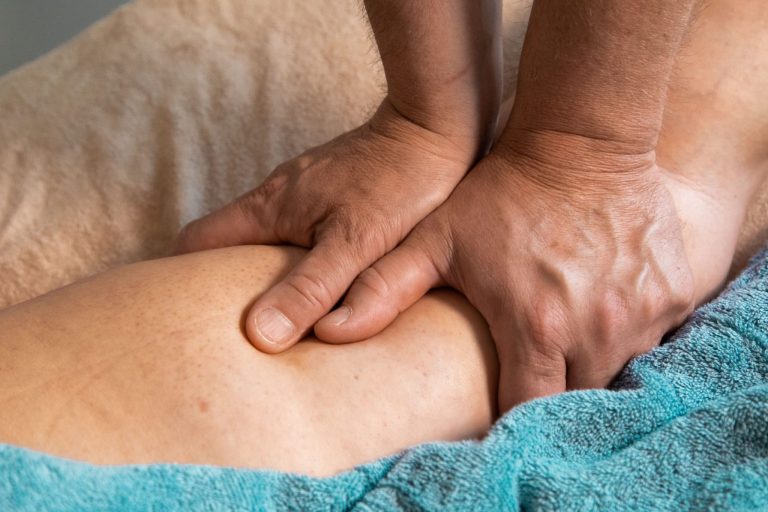
Many of you may have already heard about the controversial Comparative Billing Reports (CBRs) that have been received by some of our vascular surgery colleagues. In case you haven’t, this is your chance to catch up and to prepare for…
Interventions associated with ‘poor’ two-year relief of intermittent claudication symptoms

Peripheral vascular interventions for intermittent claudication were linked to “poor” two-year relief of symptoms in the Vascular Quality Initiative (VQI) database, a new study published in the May issue of the Journal of Vascular Surgery (JVS) found. First-named author Jonathan…